
Electric Powder Coating Curing Oven
The Electric Powder Coating Curing Oven is designed to cure powder-coated workpieces through electric heating elements and hot air circulation. It provides stable heat transfer, accurate temperature control, and uniform curing quality for powder coating production lines.
Core system advantages:
- Efficient heat energy conversion for stable powder coating curing.
- Accurate temperature control helps minimize temperature fluctuation during curing.
- Hot air circulation improves temperature uniformity and coating film quality.
- Electric heating supports clean, environmentally friendly operation without fuel combustion emissions.
- Compact furnace body, easy operation, low maintenance cost, and strong adaptability for different workpieces.
Electric Curing Oven for Stable Powder Coating Film Formation
The curing oven is one of the most important modules in a powder coating line. It determines final coating hardness, adhesion, gloss, and long-term surface performance.
Working Principle: Electric Heating + Hot Air Circulation
The electric curing oven generates heat through electric heating elements. A circulation fan then drives hot air through the oven chamber, transferring heat evenly to the coated workpieces.
This method helps maintain stable chamber temperature and supports consistent curing quality, especially for coated metal parts with different shapes and thicknesses.
- Electric heating elements generate stable heat energy
- Circulation fan distributes hot air inside the oven
- Uniform heating helps powder coating cure into a hard film
- Suitable for batch ovens or conveyorized curing ovens
Heating Methods: Direct and Indirect Heating Options
Direct heating means the heat source directly heats the air inside the curing oven, and the generated hot air then heats the coated object. This structure has high heating efficiency and simple heat transfer.
Indirect heating first heats a heat exchange device, then transfers heat to the circulating air through the heat exchanger. The suitable method depends on product requirements, energy design, workshop conditions, and process preferences.
- Direct electric heating for efficient heat transfer
- Indirect heat exchange design optional for special process needs
- Heating structure can be matched to oven size and production capacity
- Designed to support stable curing temperature and energy control


Accurate Temperature Control and Uniform Furnace Body Design
Electric curing ovens usually use controllers to accurately regulate temperature. This helps reduce fluctuation during curing and improves coating quality.
The furnace body should be designed around temperature uniformity. Hot air circulation, insulation, airflow path, and internal structure must work together to avoid local overheating or unheated areas.
- Temperature controller minimizes curing fluctuation
- Hot air circulation supports even heat distribution
- Insulated oven body helps reduce heat loss
- Uniform curing reduces risks of under-curing and over-curing
Core Benefits of Electric Powder Coating Curing Oven
These benefits help factories improve coating stability, reduce maintenance burden, and build a cleaner powder coating production process.
Efficient Heat Conversion
Electric heating converts energy into stable heat for powder curing and supports efficient oven operation.
Accurate Temperature Control
Controller-based regulation helps keep the curing process within the required temperature range.
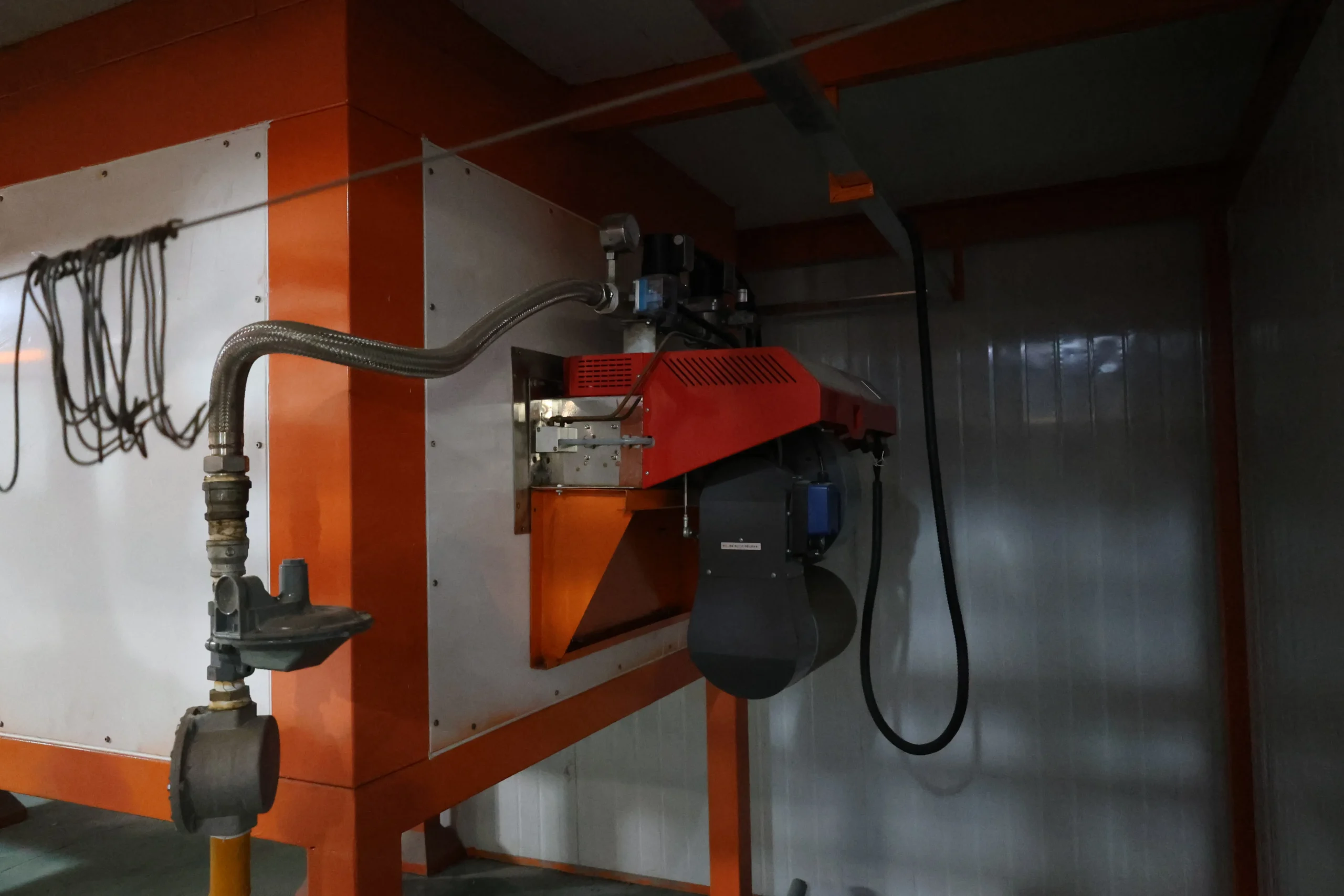
Temperature Uniformity
Hot air circulation and furnace body design help reduce hot spots and cold spots inside the oven.
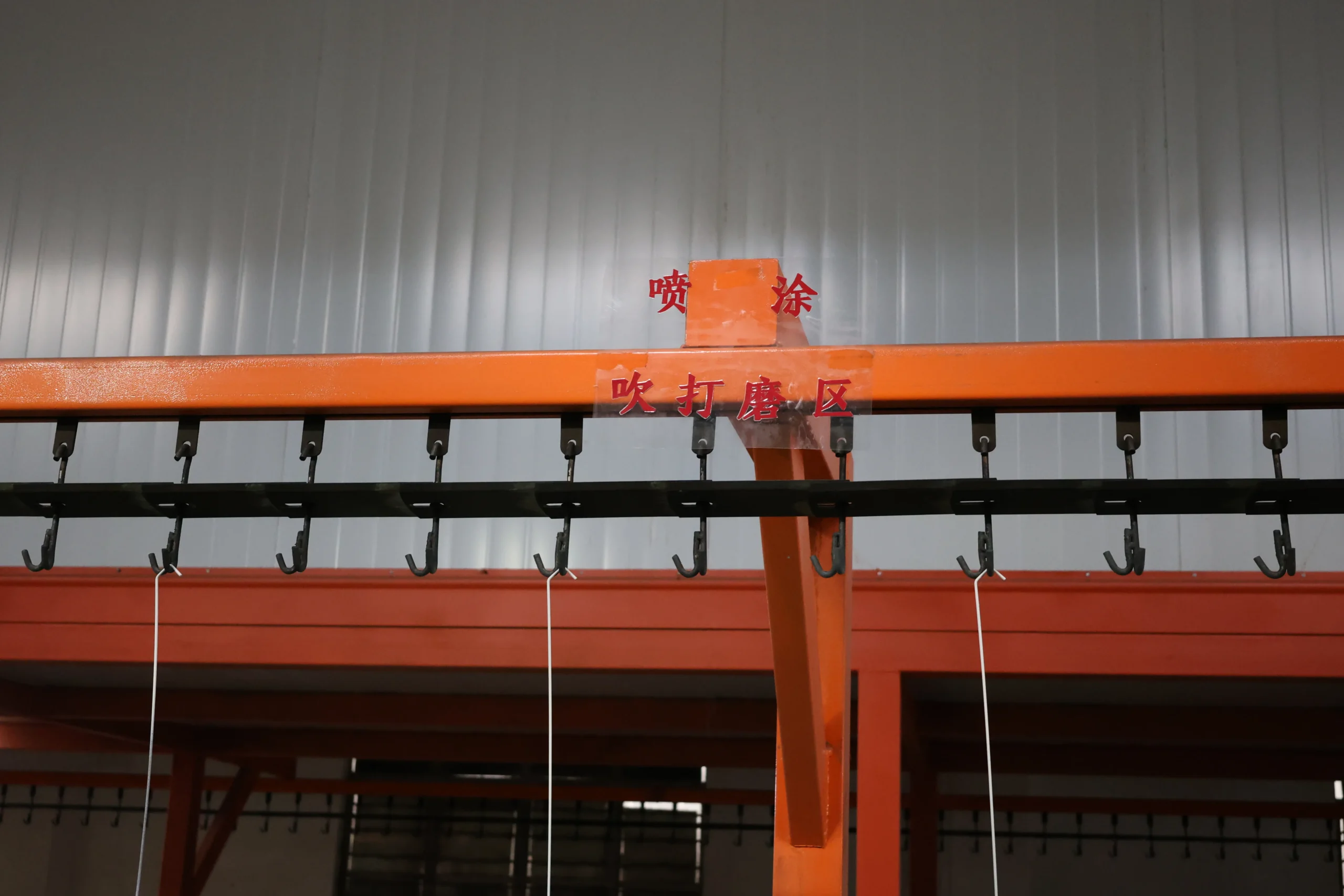
Environmental Protection
Electric heating avoids direct combustion emissions and supports cleaner workshop operation.

Easy Operation
Clear controls and settable curing parameters help operators manage temperature and time more easily.
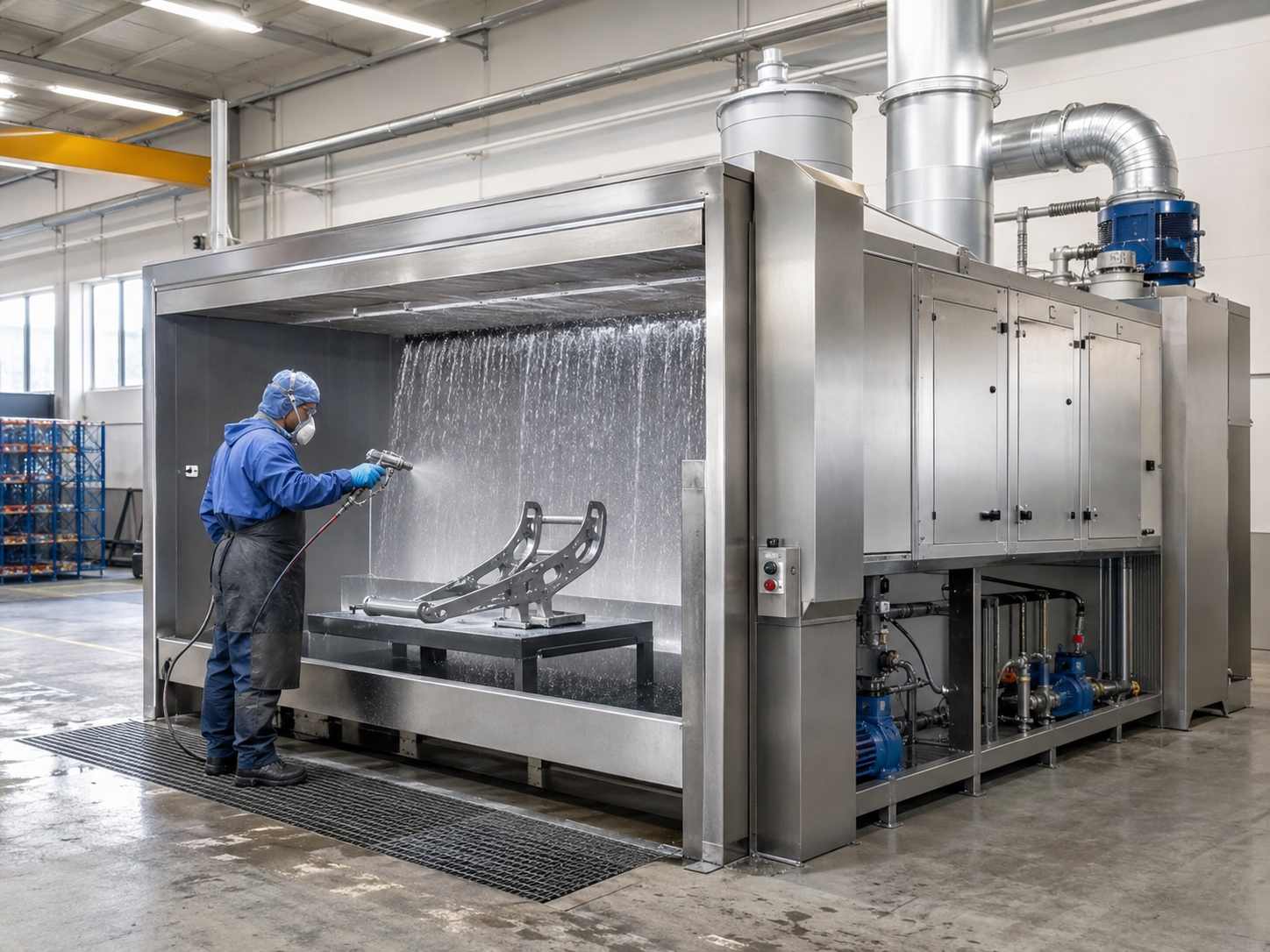
Strong Adaptability
The oven can be matched with different workpiece sizes, coating lines, and curing requirements.
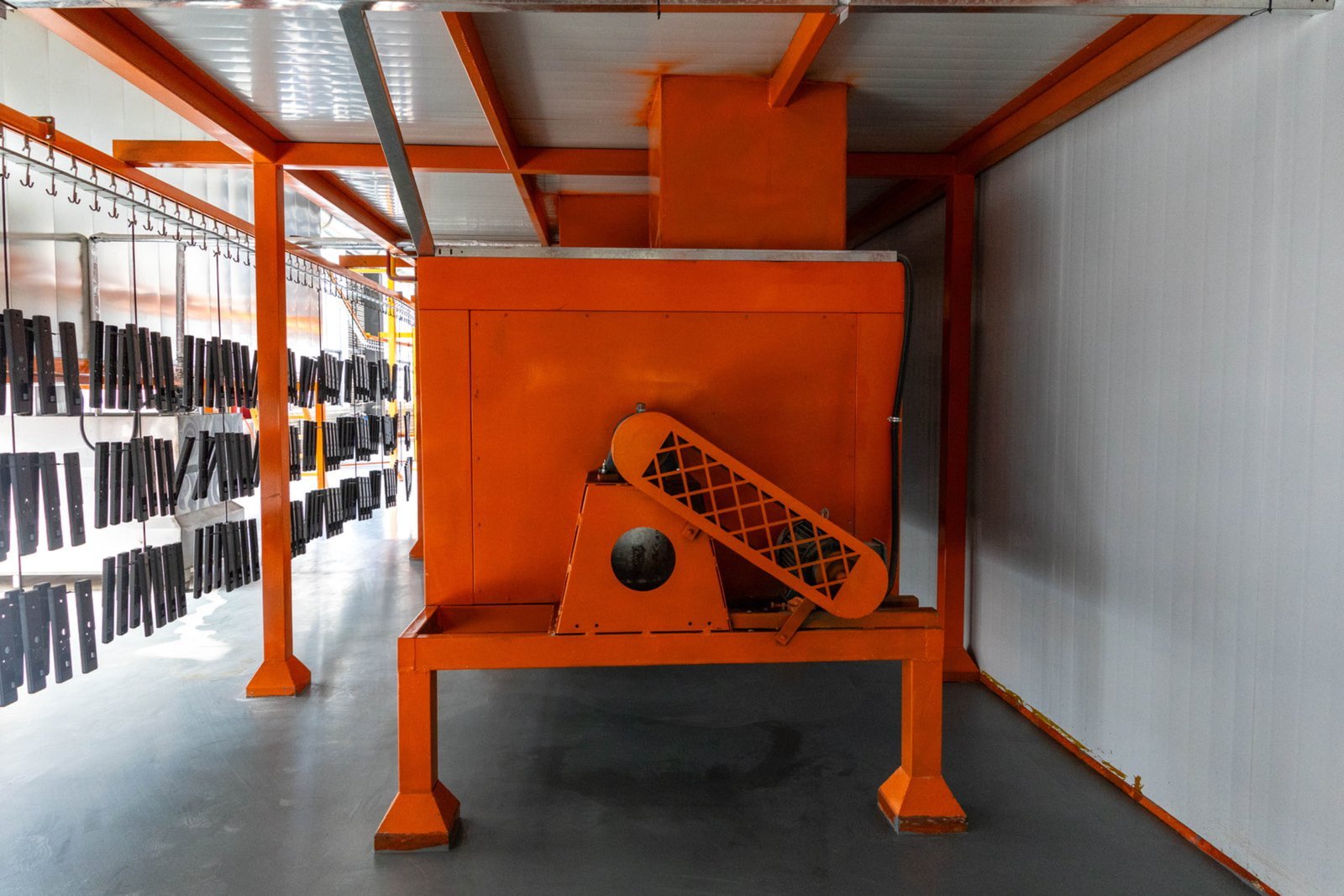
Small Footprint
Batch or compact conveyor oven designs can help optimize production space.
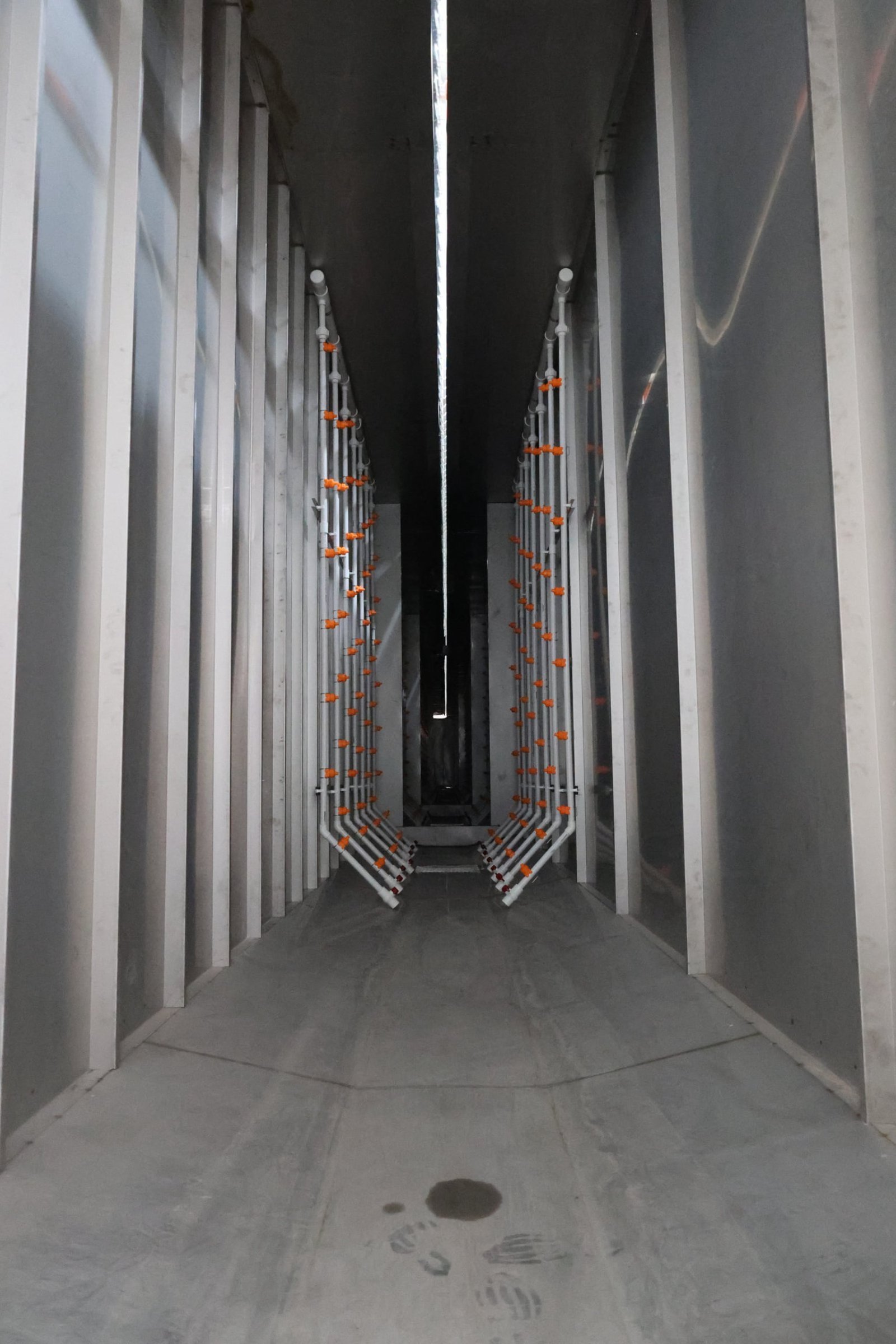
Low Maintenance Cost
Electric heating structure is relatively simple and supports easier maintenance planning.
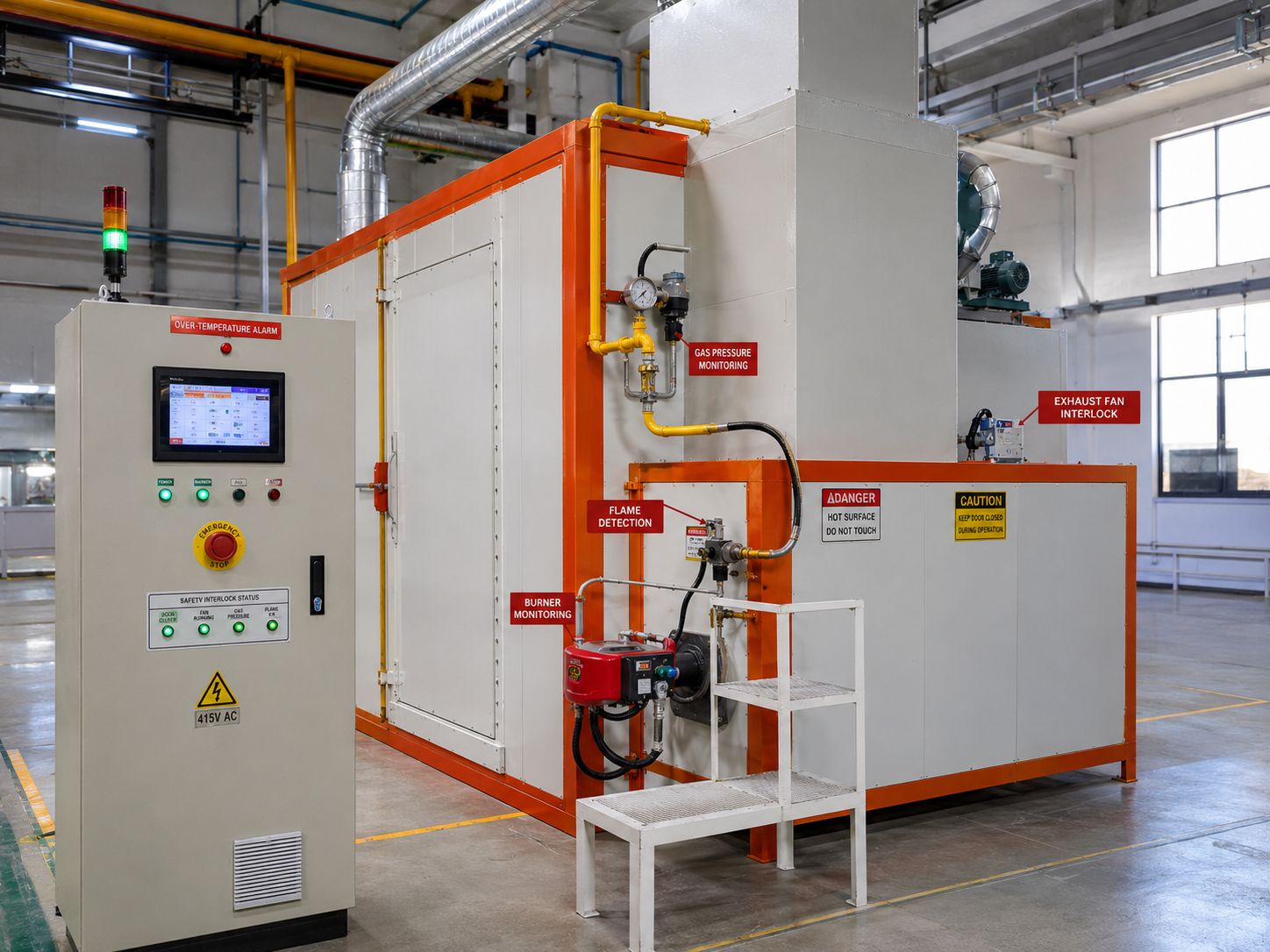
Safety
Overheating protection, emergency stop, and electrical safety design improve operator protection.
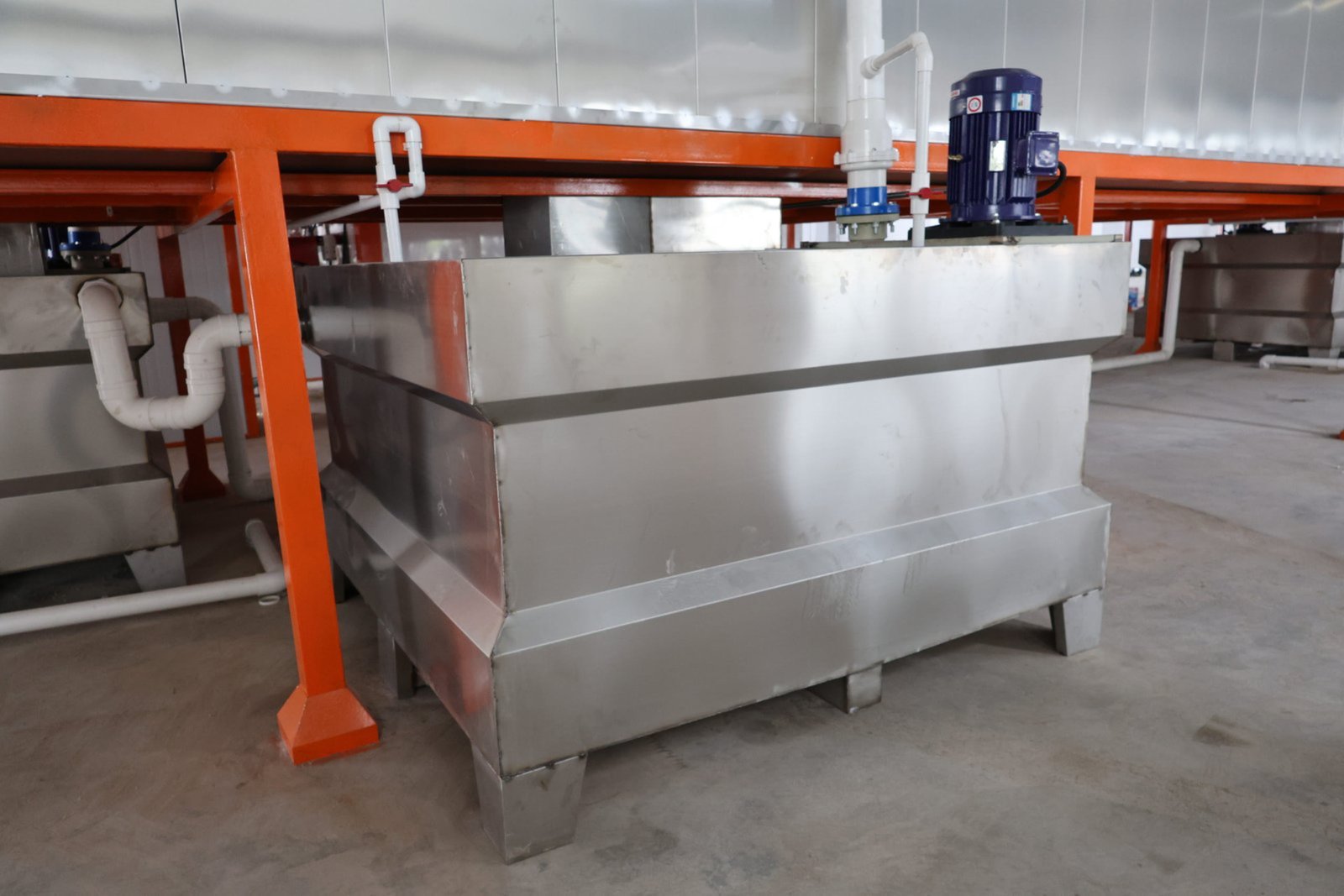
Energy Saving
Insulation, circulation design, and proper sizing help reduce unnecessary energy loss.
Working Principle, Heating Method, and Furnace Body Design
Understanding heat generation, air circulation, and temperature uniformity helps buyers choose a suitable curing oven for powder coating production.

How the Electric Curing Oven Works
The electric curing furnace generates heat through electric heating elements, then uses a fan to circulate hot air in the furnace and heat the coated object. This design helps keep the temperature in the furnace uniform, which is beneficial to coating curing quality.
Key Technical Points
- 1Direct heating: The heat source directly heats the air, and the generated hot air heats the coated object. This method has high heating efficiency.
- 2Indirect heating: The heat source first heats a heat exchanger, then transfers heat to air through the heat exchanger before heating the workpiece.
- 3Temperature control: Controllers accurately control temperature and help minimize fluctuation during the curing process.
- 4Furnace body design: The oven should avoid local overheating and unheated areas through proper insulation and hot air circulation.
- 5Curing quality: Stable heat transfer helps the powder coating resin and curing agent react fully and form a hard coating film.
- 6Process matching: Oven size, heating power, airflow, and conveyor speed must match production output and workpiece size.
Standard Operation Method for Electric Powder Coating Curing Oven
A clear operating method helps stabilize curing quality, reduce coating defects, and protect operators during daily production.
Step 1: Preparation
Ensure that the curing oven is clean and free of dust or residue. Check the accuracy of the temperature sensor and set the proper temperature and time according to powder coating curing requirements.
Step 2: Preheating
Turn on the curing oven and start the preheating program. Raise the oven temperature to the temperature recommended by the powder coating manufacturer, usually between 180°C and 220°C.
Step 3: Loading the Workpiece
Place the powder-coated workpieces on the conveyor belt or rack. Keep enough space between workpieces so that hot air can transfer evenly across surfaces.
Step 4: Curing Process
Start the hot air circulation system. As the workpiece is heated for the required time, the resin in the powder coating reacts with the curing agent to form a hard coating film. Use the controller to avoid overheating or incomplete curing.
Step 5: Cooling
After curing, the workpiece should cool to room temperature. Natural cooling is commonly used before inspection, handling, or packaging.
Step 6: Inspection and Maintenance
Regularly check the electrical system, circulation fan, heating elements, and temperature sensors. Clean dust and powder inside the furnace to prevent contamination and secondary pollution.
Step 7: Safe Operation
Operators should be trained and should understand curing oven procedures and safety precautions. Appropriate personal protective equipment should be worn during operation and maintenance.
Important Selection Tips Before Buying an Electric Curing Oven
Use these practical points to evaluate heating performance, temperature stability, safety, environmental compliance, and long-term cost before purchase.

Heating Efficiency
Consider heating efficiency and heating speed because they directly affect production efficiency and energy consumption.

Temperature Control
The oven should precisely control temperature to avoid under-curing or over-curing the powder coating.

Temperature Uniformity
Uniform temperature distribution is crucial. Avoid hot spots and cold spots inside the curing oven.

Hot Air Circulation
Check whether the hot air circulation system is reasonable and whether it can avoid secondary pollution from dust.

Energy Consumption
Choose high-efficiency equipment to reduce operating cost and support environmental goals.

Equipment Size
Select proper oven size and layout based on production line space and workpiece dimensions.

Operation and Maintenance
Check whether the equipment is easy to operate and whether daily maintenance can be performed conveniently.

Safety Features
The oven should have safety functions such as overheating protection and emergency shutdown.

Environmental Standards
Confirm that the oven design meets local environmental and workshop safety requirements.

After-Sales Support
Choose a reputable supplier and confirm warranty, spare parts, technical support, and operation training.
Electric Powder Coating Curing Oven Reference Configuration
Exact oven size, heating power, circulation fan, insulation thickness, control method, and conveyor design should be customized according to workpiece size and output target.
Custom Engineering Layout
Send workpiece drawings, factory layout, daily output, curing temperature, curing time, and heating preference. A customized oven layout can be prepared for quotation.
| Parameter | Reference Specification |
|---|---|
| Equipment Type | Electric powder coating curing oven / electric powder coating oven / curing furnace |
| Working Principle | Electric heating elements generate heat; circulation fan distributes hot air inside the furnace |
| Typical Temperature Range | Usually 180°C to 220°C depending on powder coating manufacturer requirements |
| Heating Method | Direct electric heating or indirect heat exchange design according to process requirements |
| Temperature Control | Controller-based temperature setting and regulation; PLC / touchscreen optional |
| Air Circulation | Hot air circulation system designed for temperature uniformity and stable curing |
| Oven Type | Batch oven, tunnel oven, conveyor oven, or customized line-integrated curing oven |
| Cooling Method | Natural cooling after curing; forced cooling section optional for production line needs |
| Safety Design | Overheating protection, emergency shutdown, electrical safety control, and insulation protection |
| Customization | Oven size, heating power, fan capacity, conveyor path, control system, insulation, and loading method can be customized |
The Complete Purchasing Guide for Electric Powder Coating Curing Ovens
Buying an electric curing oven should not be based only on oven size or price. A good decision should evaluate heating efficiency, temperature control, temperature uniformity, hot air circulation, safety, maintenance, energy consumption, and long-term operating cost.
This guide helps buyers compare key technical factors before requesting a quotation or confirming a powder coating oven layout.


Confirm Workpiece Size and Loading Method
The curing oven must match the maximum workpiece size, loading density, and material thickness. Large or heavy parts may need longer heating time and stronger circulation design.
- Maximum workpiece length, width, and height
- Material thickness and heat capacity
- Rack, trolley, hanger, or conveyor loading
- Batch production or continuous production

Evaluate Heating Efficiency and Heating Speed
Heating efficiency affects preheating time, production capacity, and energy consumption. Buyers should check heating power, insulation, oven volume, and workpiece loading design.
- Heating element layout and power rating
- Preheating speed and heat recovery time
- Oven insulation and heat loss control
- Energy consumption per production batch

Check Temperature Control Accuracy
Precise temperature control ensures powder coating can cure at the optimal temperature. The oven should reduce temperature fluctuation and support repeatable curing results.
- Temperature controller accuracy
- Sensor position and calibration
- Alarm and overheating protection
- PLC and touchscreen options

Confirm Temperature Uniformity and Air Circulation
Temperature uniformity is crucial for coating quality. Poor air circulation may create hot spots, cold spots, incomplete curing, or coating defects.
- Circulation fan quantity and position
- Airflow path and duct design
- Temperature difference across oven zones
- Dust and secondary pollution control

Select the Right Oven Size and Structure
Oven size should match workpiece size, output target, factory layout, and curing time. Oversized ovens waste energy, while undersized ovens become production bottlenecks.
- Batch oven, tunnel oven, or conveyor oven
- Loading and unloading area
- Workshop floor space and door opening
- Future capacity expansion possibility

Review Safety and Environmental Requirements
The curing oven should include necessary safety features and meet local workshop requirements. Electric heating can support cleaner operation, but electrical safety must be carefully designed.
- Overheating protection
- Emergency shutdown function
- Electrical cabinet safety design
- Local environmental and safety standards

Evaluate Maintenance Convenience
Daily maintenance affects downtime and long-term cost. The oven should allow easy access to heating elements, fans, sensors, electrical parts, and chamber cleaning areas.
- Heating element replacement convenience
- Fan and duct cleaning access
- Sensor inspection and calibration
- Dust and powder residue cleaning

Compare Total Cost and Supplier Support
Do not compare only purchase cost. Also compare energy consumption, maintenance, spare parts, warranty, technical support, operation training, and long-term after-sales service.
- Purchase cost and installation cost
- Long-term electricity consumption
- Spare parts and maintenance cost
- Training, warranty, and technical support
Quick Buyer Comparison Table
Use this table to evaluate whether an electric powder coating curing oven matches your production requirement.

| Buying Factor | What to Check | Why It Matters |
|---|---|---|
| Heating Efficiency | Heating power, preheating speed, insulation, heat loss | Affects production efficiency and energy consumption |
| Temperature Control | Controller accuracy, sensor location, fluctuation range | Ensures powder coating cures at the correct temperature |
| Temperature Uniformity | Air circulation, oven zones, hot spots and cold spots | Prevents uneven curing and coating defects |
| Oven Size | Workpiece size, loading method, floor space | Prevents bottlenecks and unnecessary energy waste |
| Safety Design | Overheating protection, emergency stop, electrical safety | Protects operators and reduces production risk |
| Supplier Support | Training, warranty, spare parts, technical support | Improves long-term operation reliability |
Need a purchasing recommendation for your curing oven?
Send your workpiece photos, factory layout, daily capacity target, curing temperature, curing time, and available power supply. We can help you select the right electric powder coating curing oven configuration.
Get Configuration Advice
Frequently Asked Questions About Electric Powder Coating Curing Oven
These questions cover oven selection, heating efficiency, temperature control, operation, maintenance, safety, and purchasing decisions.
What is an electric powder coating curing oven?
An electric powder coating curing oven is a heating chamber used to cure powder-coated workpieces. It uses electric heating elements and hot air circulation to heat the coating until it forms a hard, durable film.
How does the electric curing oven work?
The oven generates heat through electric heating elements. A circulation fan moves hot air through the furnace chamber so that coated workpieces receive more uniform heat during the curing process.
What temperature is usually used for powder coating curing?
Many powder coatings are cured around 180°C to 220°C, but the exact temperature and time must follow the powder coating manufacturer's recommended curing schedule and actual workpiece temperature requirement.
Why is temperature uniformity important?
Temperature uniformity ensures that all workpieces receive enough heat for complete curing. Hot spots may cause over-curing, while cold spots may cause incomplete curing, poor adhesion, or weak coating performance.
What is the difference between direct heating and indirect heating?
Direct heating means the heat source directly heats the air that heats the workpiece. Indirect heating first heats a heat exchange device, then transfers heat to the air through the heat exchanger. The best choice depends on process requirements and equipment design.
Can the oven size be customized?
Yes. Oven length, width, height, door type, heating power, fan system, conveyor opening, control system, and insulation design can be customized according to workpiece size and output target.
What information should I provide before quotation?
Please provide workpiece photos or drawings, maximum part size, part weight, daily output target, curing temperature, curing time, loading method, available power supply, and whether you need a batch oven or conveyorized oven.
How should the oven be preheated?
Before loading production parts, turn on the oven and run the preheating program until the chamber reaches the required curing temperature. The set temperature should match the powder coating supplier's recommendation.
What maintenance is required?
Regular maintenance includes checking the electrical system, temperature sensors, heating elements, circulation fans, insulation condition, and chamber cleanliness. Dust and powder residue should be cleaned to prevent contamination.
What safety features should the oven include?
The oven should include overheating protection, emergency shutdown, safe electrical control, insulation protection, proper grounding, and clear operating procedures. Operators should be trained before use.
Is an electric curing oven environmentally friendly?
Electric heating does not create direct fuel combustion emissions inside the oven, which supports cleaner operation. However, the final environmental performance also depends on energy source, insulation, efficiency, and local standards.
What should I check before final purchase?
Check heating efficiency, temperature control, temperature uniformity, hot air circulation, oven size, maintenance access, safety features, environmental compliance, supplier reputation, warranty, and technical support.
Still not sure which curing oven configuration is right?
Send product photos, curing capacity target, workshop size, powder type, and available power condition. Our team can help compare batch oven, tunnel oven, and conveyorized electric curing oven options.
Ask Our Coating Line ExpertRequest a Custom Electric Powder Coating Curing Oven Solution
Tell us your workpiece size, curing temperature, output target, and workshop layout. We will recommend a suitable configuration.
 English
  German
  Vietnamese
  French