
Powder Coating Equipment & Systems
Choose individual powder coating equipment or build a coordinated system around your workpieces, output target, factory layout and coating process. This page shows what each module does, how the modules connect and what information changes the final equipment selection.

See every major module before deciding what you need
A buyer searching for powder coating equipment may need a complete line, one replacement machine, or a group of connected modules. Start with the function of each module and the project input that changes its design.
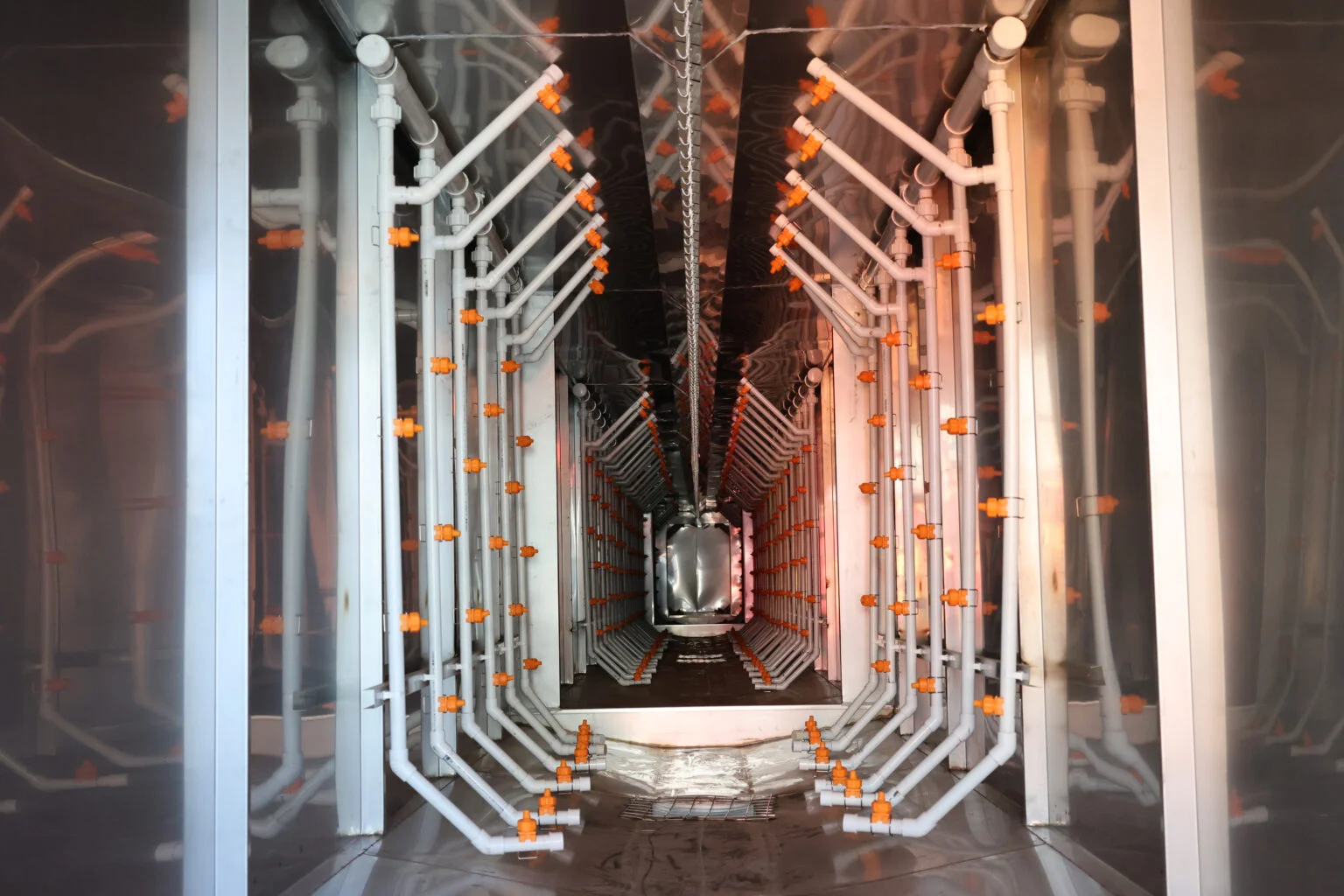
Pretreatment System
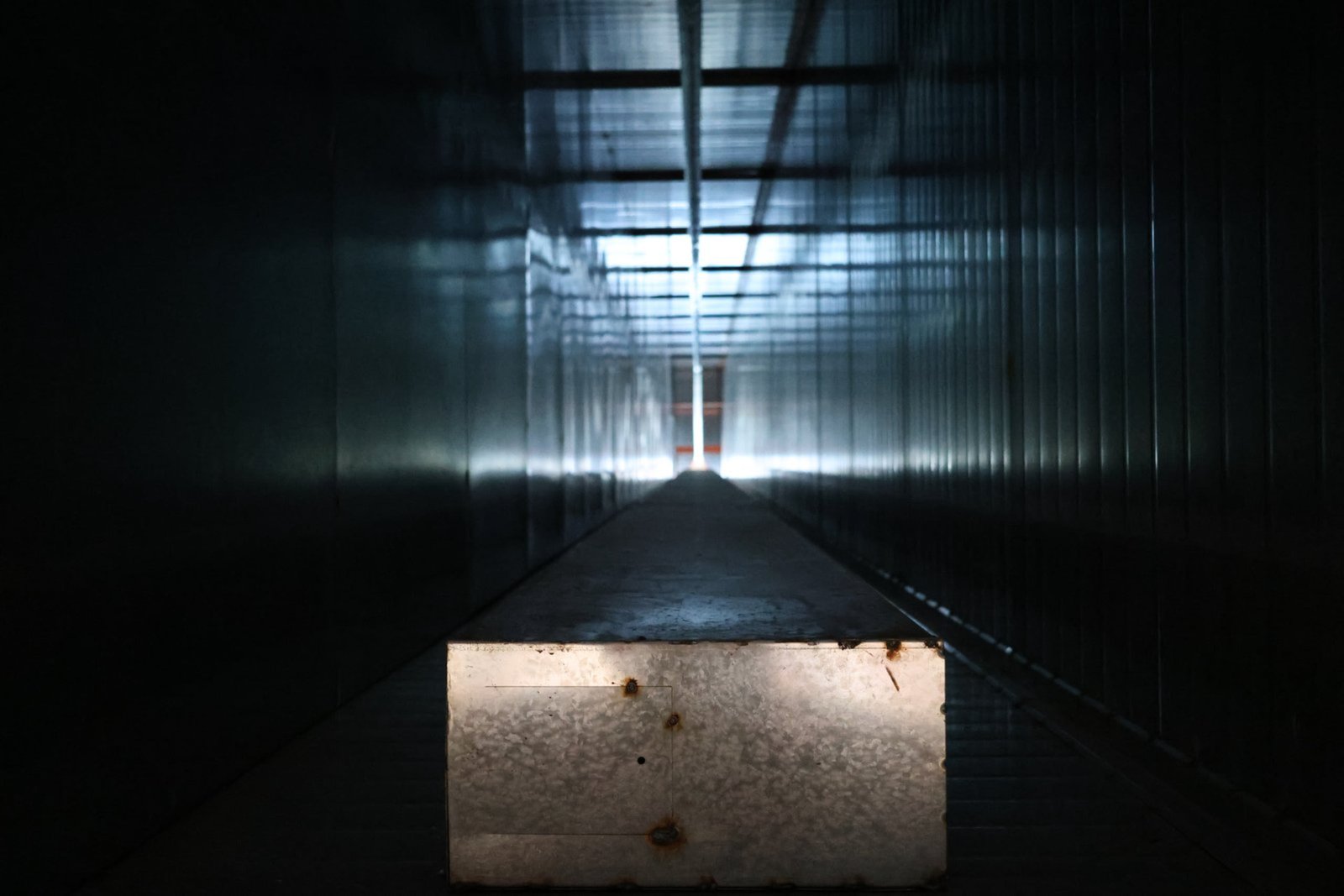
Dry-Off Oven
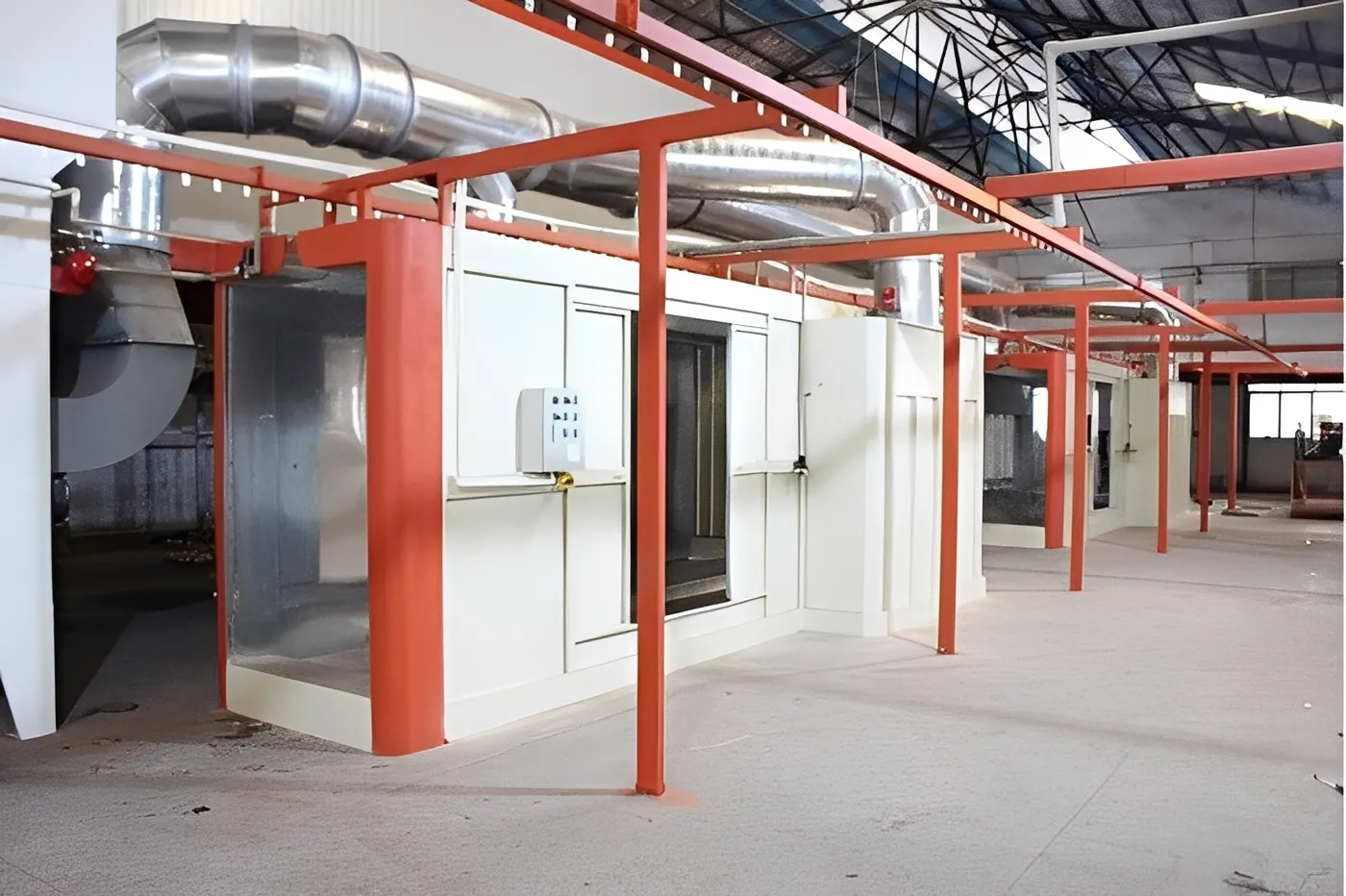
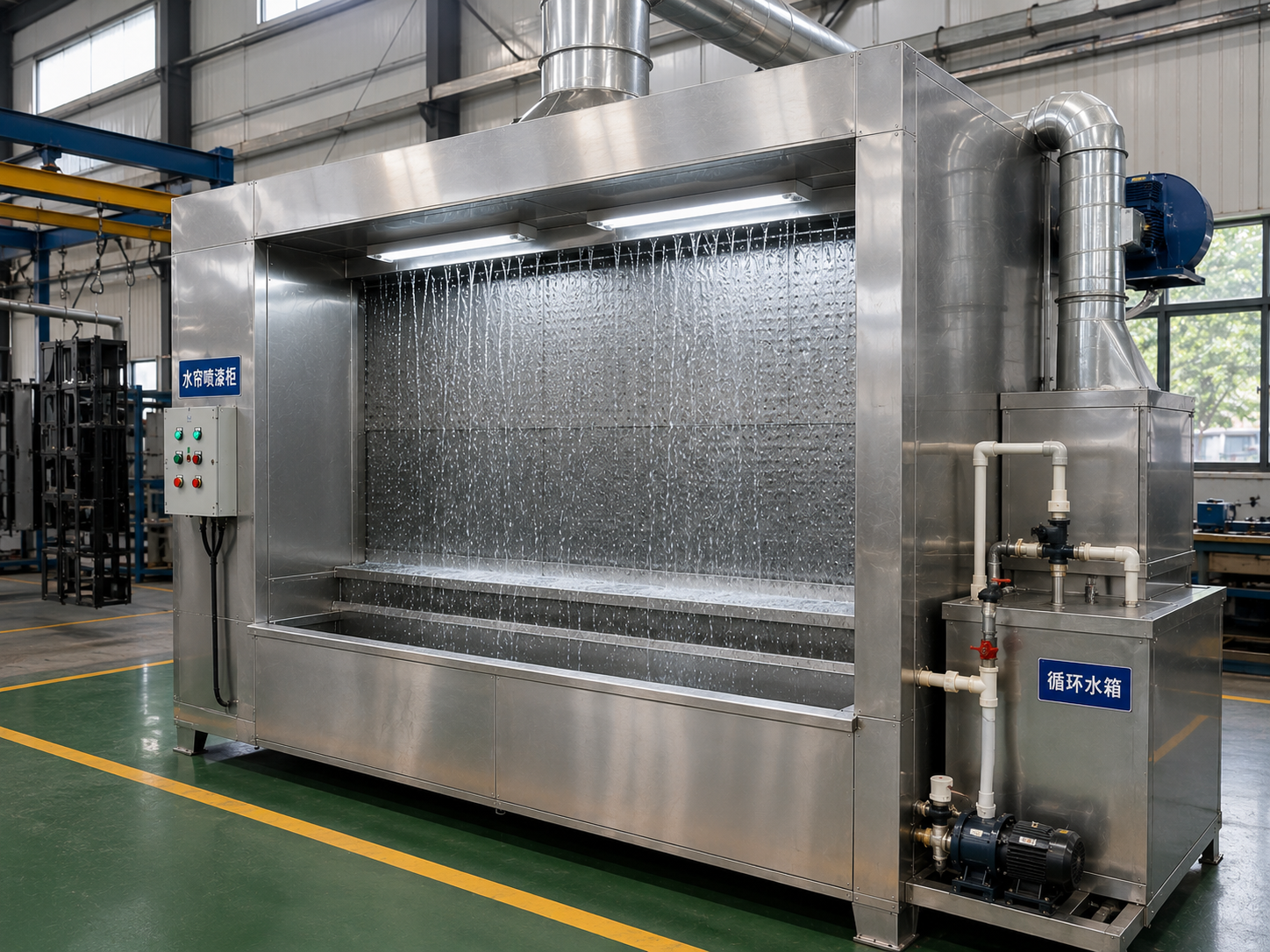
Powder Coating Booth
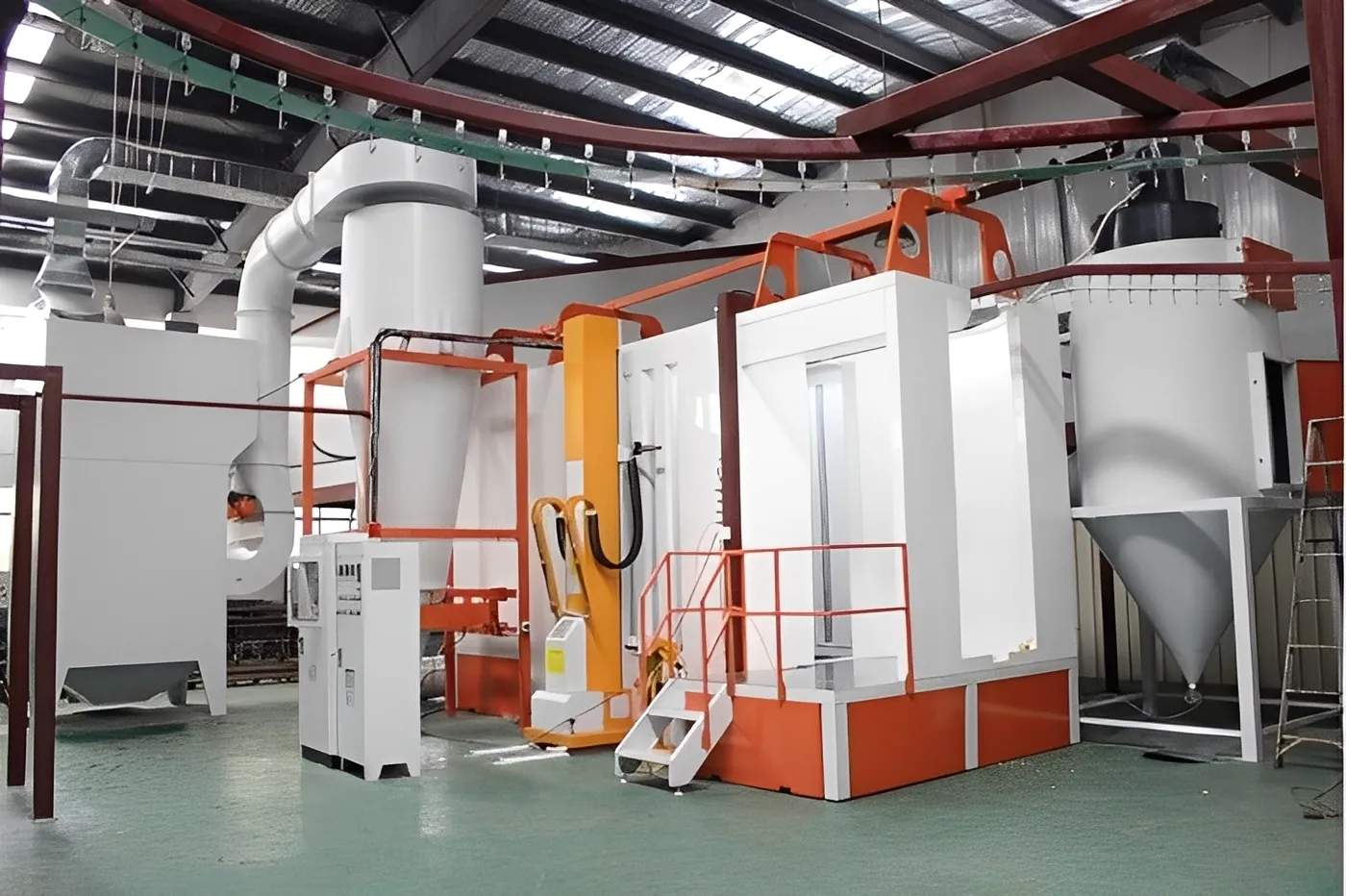
Powder Recovery System

Powder Supply Center
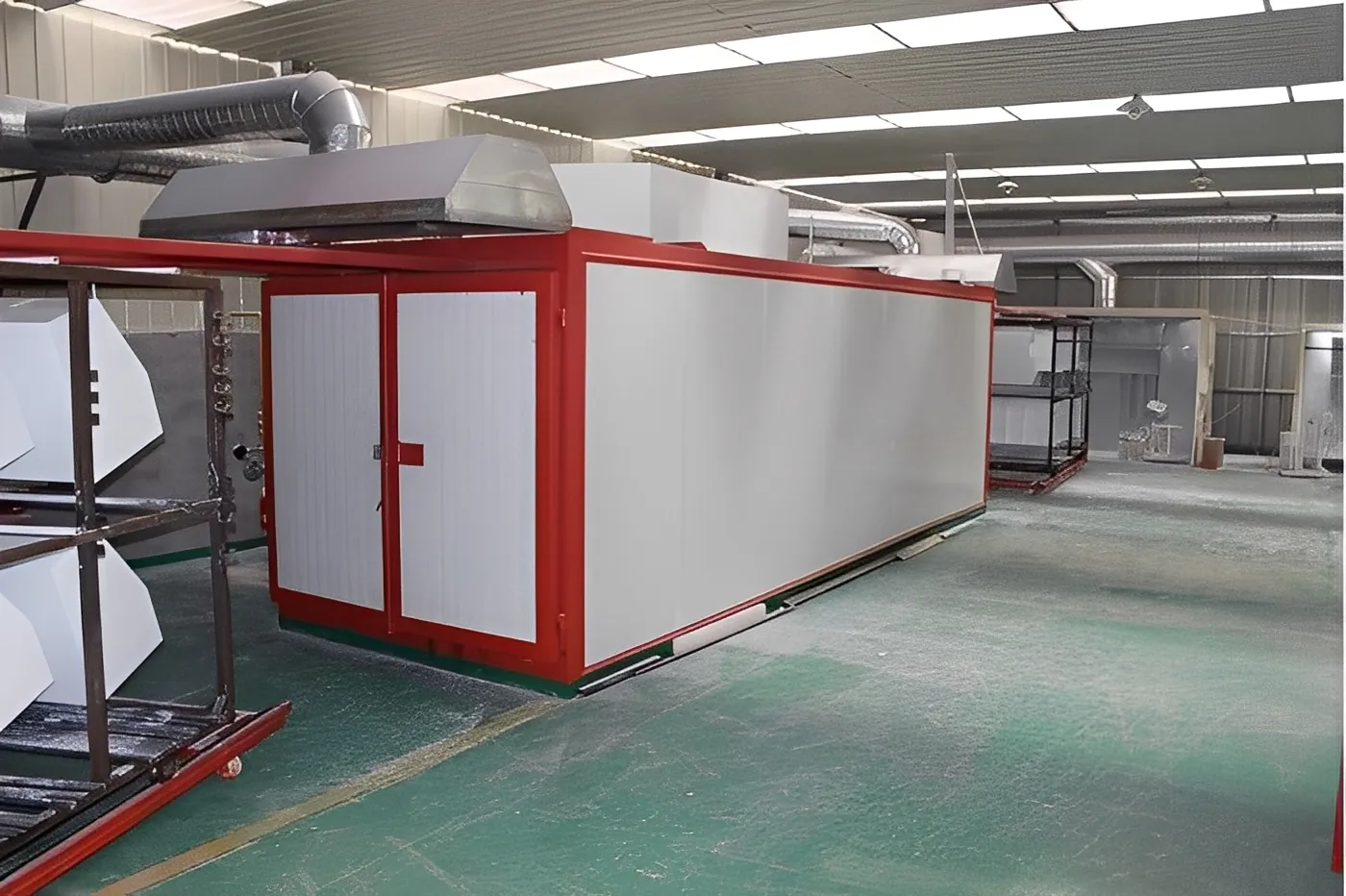
Curing Oven
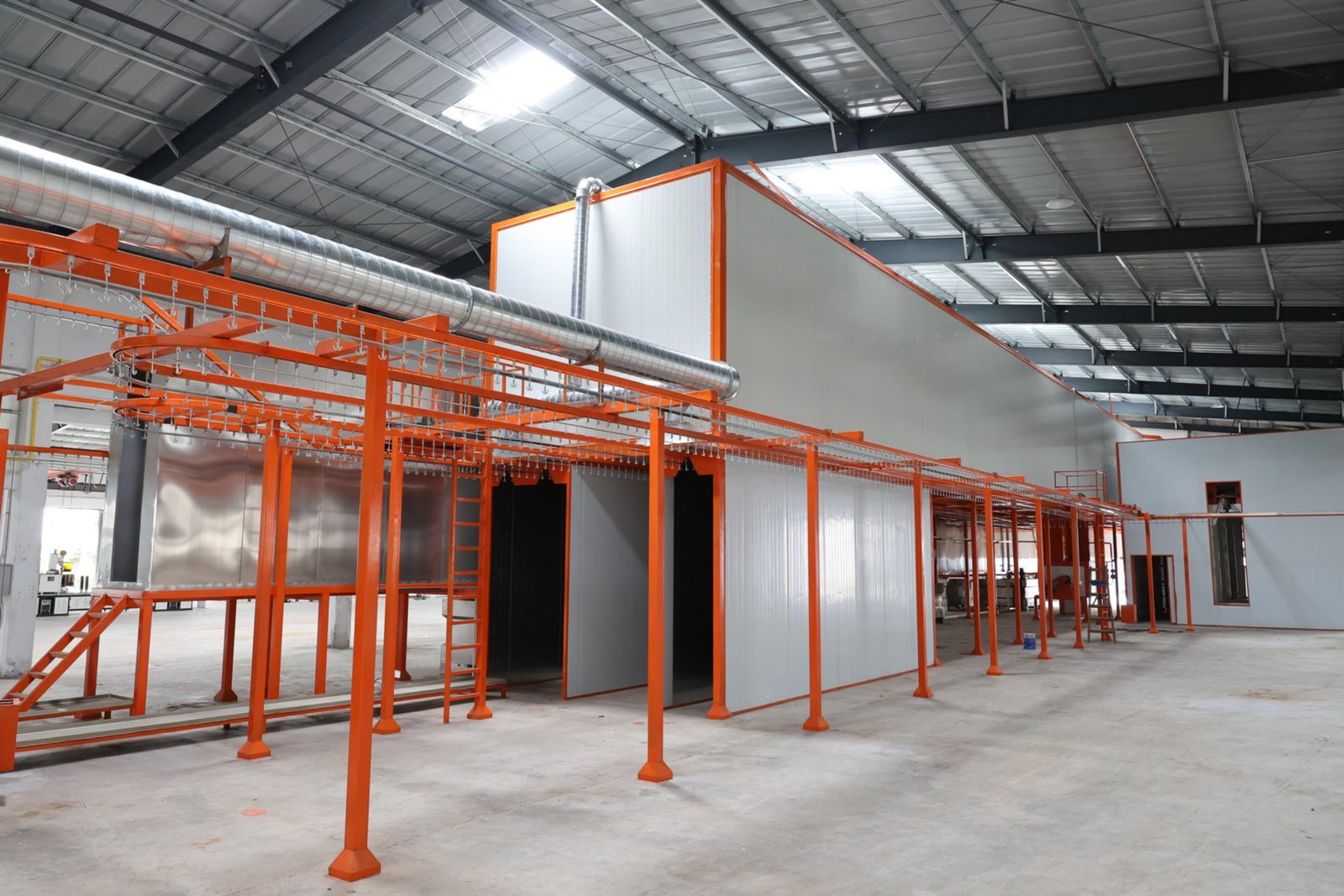
Conveyor System
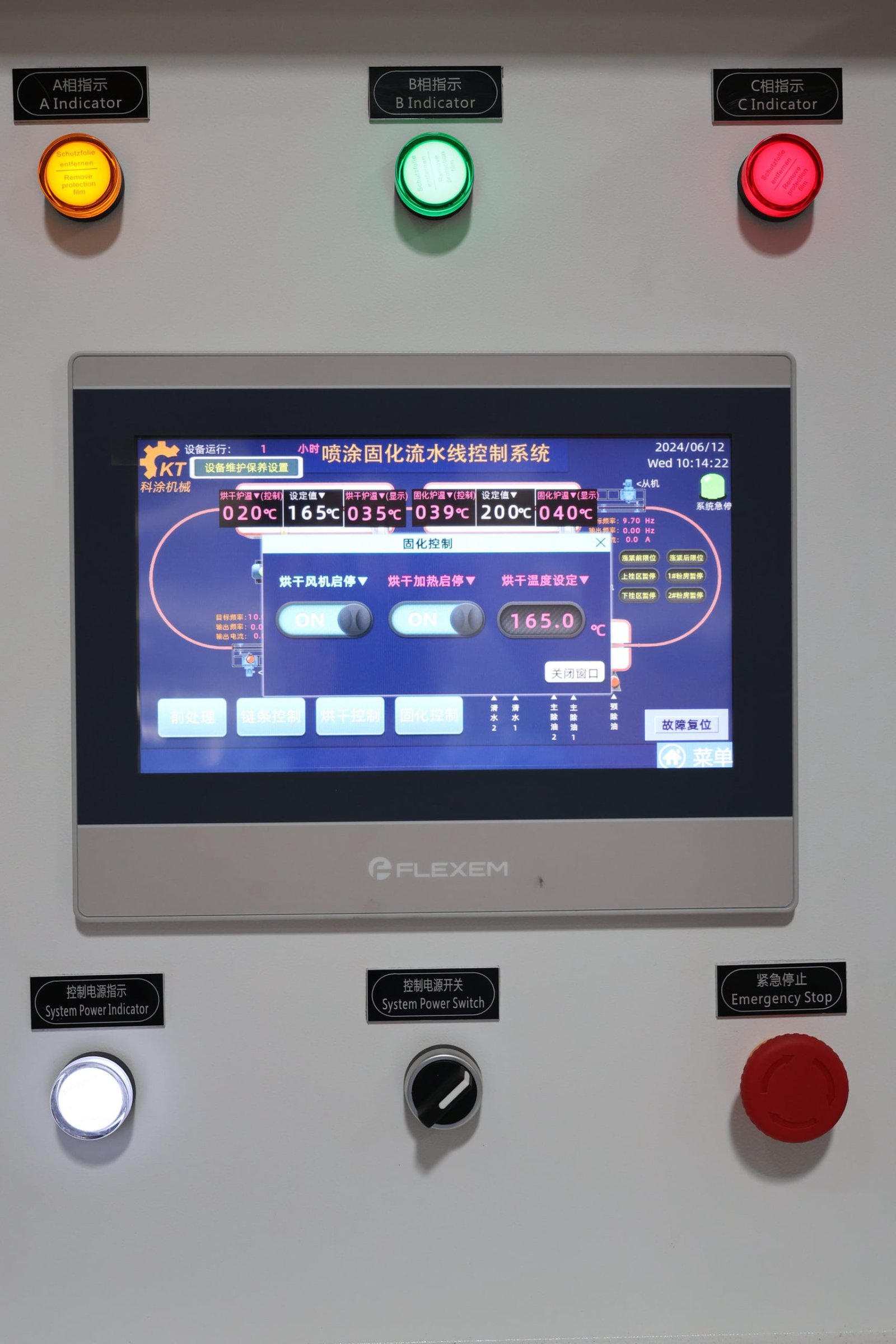
Controls & Automation
Do you need a complete line or individual equipment?
The correct starting point is different for a new factory and for an existing coating line. Use this distinction before comparing machines.
Build a complete powder coating system
Start from the workpiece, capacity and factory. Then connect pretreatment, dry-off, powder application, recovery, curing, conveying and controls into one production route.
Replace or upgrade one process module
Start from the bottleneck: poor recovery, slow color change, unstable curing, limited output, inadequate pretreatment or manual handling. Then check interfaces with the equipment that remains.
Understand where each equipment module sits in the production route
A powder coating machine is not always one standalone machine. In a production system, different equipment modules perform different process functions and share interfaces with the conveyor, utilities and controls.
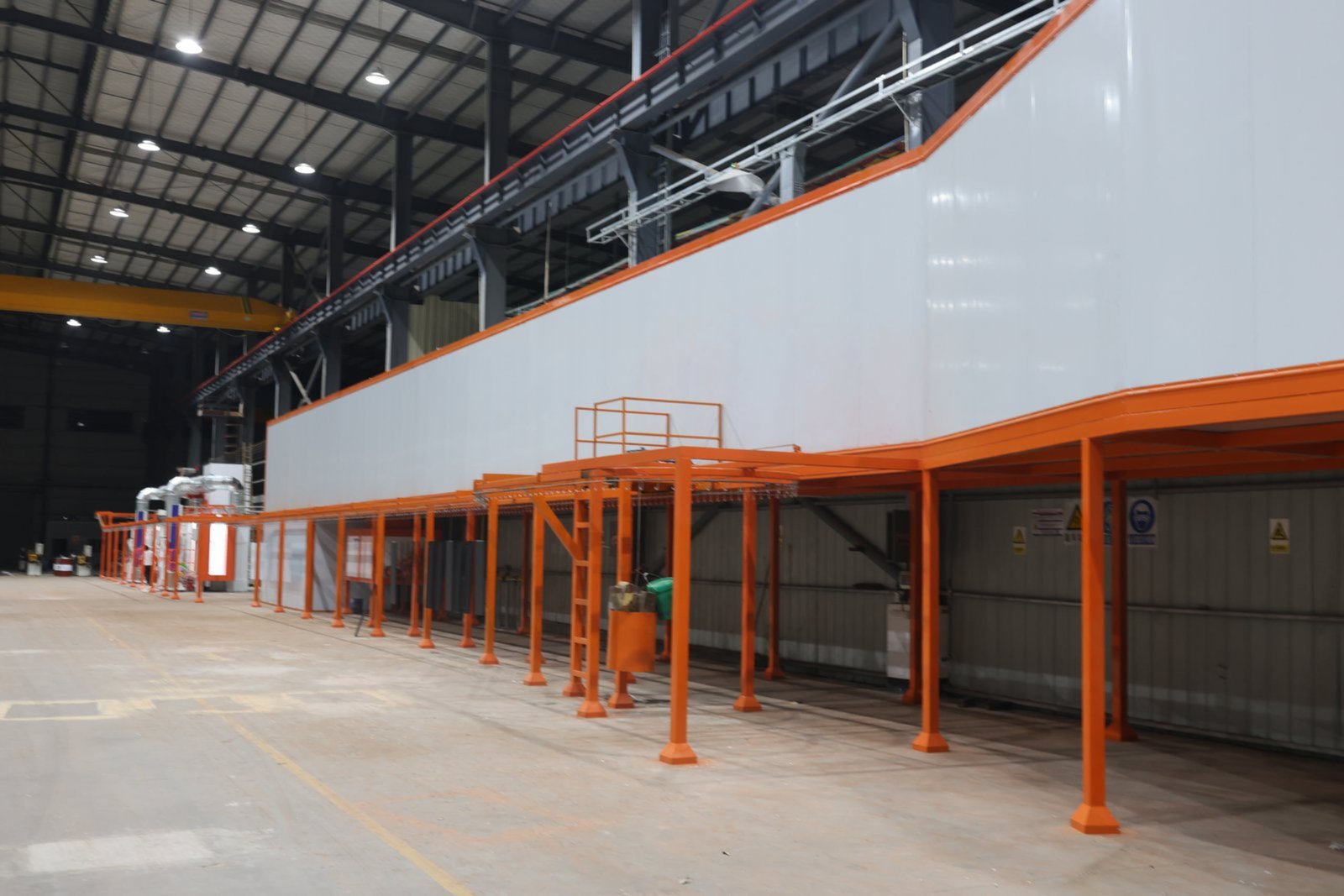
Start from the production problem you need to solve
Buyers often know the problem before they know the equipment name. Use the table below to identify which modules should be reviewed first.
| Your Need | Equipment to Review | What We Need to Confirm | Next Page |
|---|---|---|---|
| Build a new coating line | All modules | Workpiece · output · factory layout · utilities · coating target | Complete Line → |
| Improve color change | Booth · recovery · powder supply | Number of colors · change frequency · current cleaning method | Booth → |
| Improve powder reuse / overspray handling | Recovery · booth | Current booth type · reuse strategy · powder type | Recovery → |
| Improve curing stability | Curing oven · conveyor | Part mass · cure schedule · heating source · residence time | Oven → |
| Improve corrosion preparation | Pretreatment · dry-off | Material · surface condition · corrosion target · local water | Pretreatment → |
| Increase qualified output | Conveyor · hanging · booth · oven | Parts / hanger · hanger pitch · current bottleneck · target shift output | Conveyor → |
| Reduce manual spraying | Automatic guns · reciprocators · controls | Part geometry · production stability · coverage areas · line speed | Application Equipment → |
Three equipment groups that must work together
Rather than treating every module as a separate catalogue item, it is more useful to understand how equipment families work together inside the same production process.
Booth + Recovery + Powder Supply + Spray Equipment
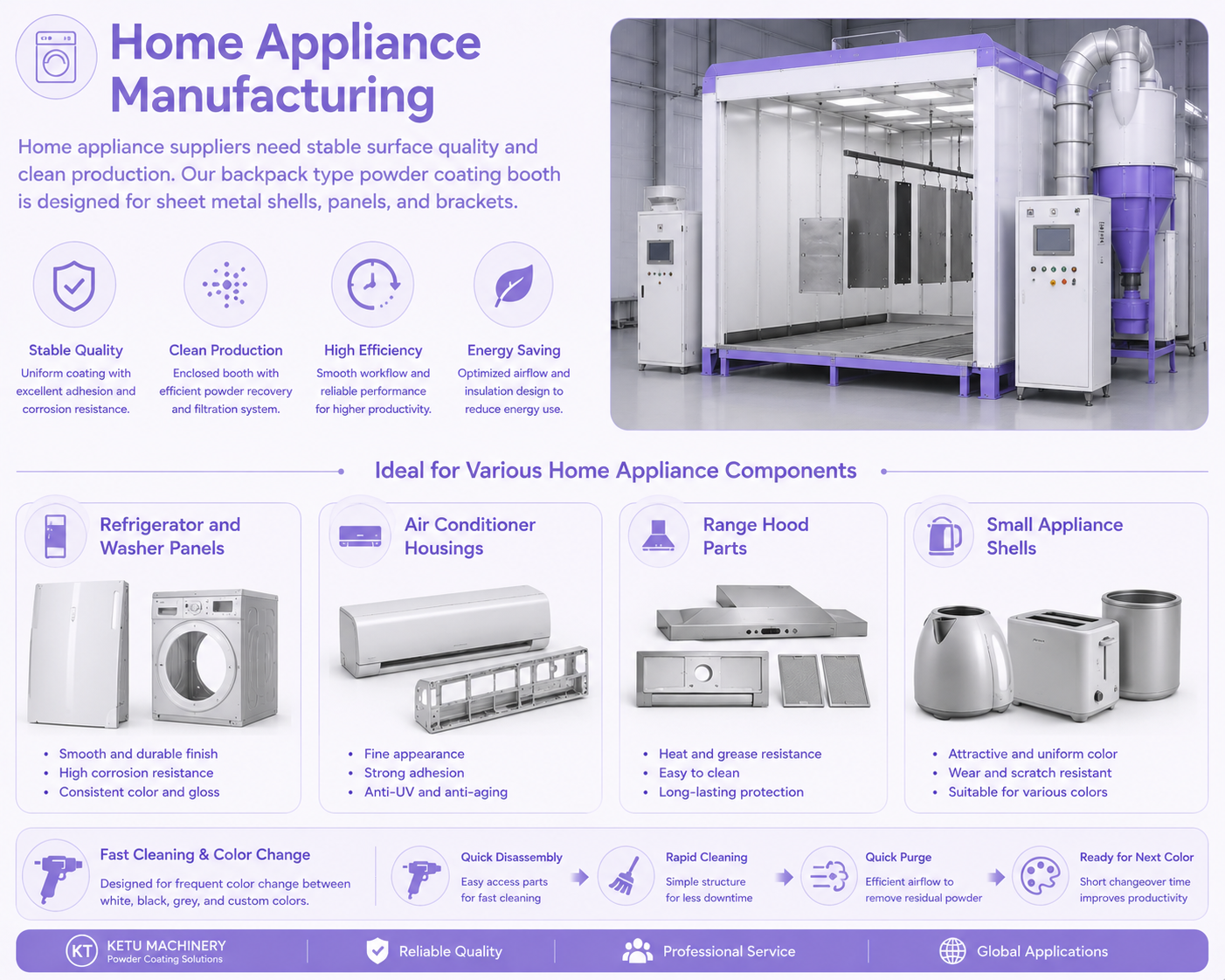
These modules should be reviewed as one application system. Booth airflow affects overspray capture; recovery architecture affects powder reuse and changeover; powder supply must match the gun count and automation level.
Pretreatment + Dry-Off + Curing Oven
Coating quality is not created by spraying alone. Pretreatment prepares the substrate, dry-off removes moisture, and the curing oven must deliver enough heat to the real part for the required cure schedule.
Conveyor + Hanging Logic + Controls
Qualified output depends on more than conveyor speed. Hanger pitch, parts per hanger, workpiece load, process residence time and line routing should be reviewed together. Controls then coordinate equipment operation around that physical route.
Upgrade the bottleneck without rebuilding everything
An existing line can often be improved module by module. The key is to check compatibility before replacing one piece of equipment.
Quality, capacity, color change, recovery, heating or manual handling.
Dimensions, utilities, conveyor route, airflow, controls and process timing.
Choose equipment around the existing system instead of using a fixed standard size.
Where practical, keep space and interfaces for automation or capacity upgrades.
How We Match Equipment to Your Production
Equipment dimensions and interfaces should follow your workpieces, factory layout, capacity target, utilities and automation plan rather than a fixed catalogue configuration.
Factory Space Planning
We review factory dimensions, access, clear height, utilities and material flow before the final equipment layout is confirmed.
- → Linear, L-shaped, or U-shaped layouts available
- → Vertical or horizontal space optimization
- → CAD floor plans with exact dimensions provided
- → Utility requirement analysis (power, water, gas)
Production Capacity
Equipment capacity is reviewed around target qualified output, loading density, product mix and process time.
- → Spray booth and oven sized proportionally
- → Conveyor speed and load tailored to product weight
- → Pretreatment capacity matched to spray booth throughput
- → Growth capacity: Equipment can be upgraded as your business scales
Material & Product Type
Different materials and product shapes require different process parameters. We optimize for your specific needs.
- → Steel, aluminum, zinc, or stainless steel compatibility
- → Custom fixtures for odd-shaped components
- → Multi-product line capability for flexible production
- → Pretreatment chemistry adjusted for material type
Modular Equipment Design
Don't have the budget for a complete line upfront? We offer phased investment options with modular components.
- → Phase 1: Pretreatment + Manual Booth
- → Phase 2: Add Curing Oven
- → Phase 3: Upgrade to Automatic Spray + Conveyor
- → Interfaces should be confirmed so future modules can be integrated more easily
Automation Level Options
Choose an automation level that fits output, product consistency, labor conditions and upgrade plans.
- → Manual: Lowest cost, highest flexibility for varied products
- → Semi-Automatic: Balance of efficiency and flexibility
- → Automatic: Higher automation for stable, repeatable production
- → Future upgrade interfaces can be reviewed during project design
Process Optimization
Our engineering team fine-tunes parameters specific to your products, materials, and coating objectives.
- → Powder type and color selection guidance
- → Temperature curves tailored to your coating requirements
- → Spray gun setup and air pressure calibration
- → Continuous support for process improvements post-installation
Factory Space Planning
+
We design layouts that fit your factory perfectly.
- • Linear, L-shaped, or U-shaped layouts
- • CAD floor plans provided
- • Vertical or horizontal optimization
Production Capacity
+
Equipment sized for your exact production targets.
- • Capacity direction based on target qualified output
- • Conveyor and oven sized proportionally
- • Scalable as your business grows
Material & Product Type
+
Optimized for your specific materials and products.
- • Steel, aluminum, zinc compatibility
- • Custom fixtures for odd shapes
- • Multi-product line capability
Modular Design
+
Phased investment options available.
- • Start with pretreatment + manual booth
- • Add oven and automation later
- • Components integrate seamlessly
Automation Options
+
Choose your automation level.
- • Manual (flexible & cost-effective)
- • Semi-automatic (balanced)
- • Fully automatic (high-speed)
Process Optimization
+
Expert tuning for your specific needs.
- • Powder type guidance
- • Temperature curve calibration
- • Continuous support & improvement
Space Configuration Examples
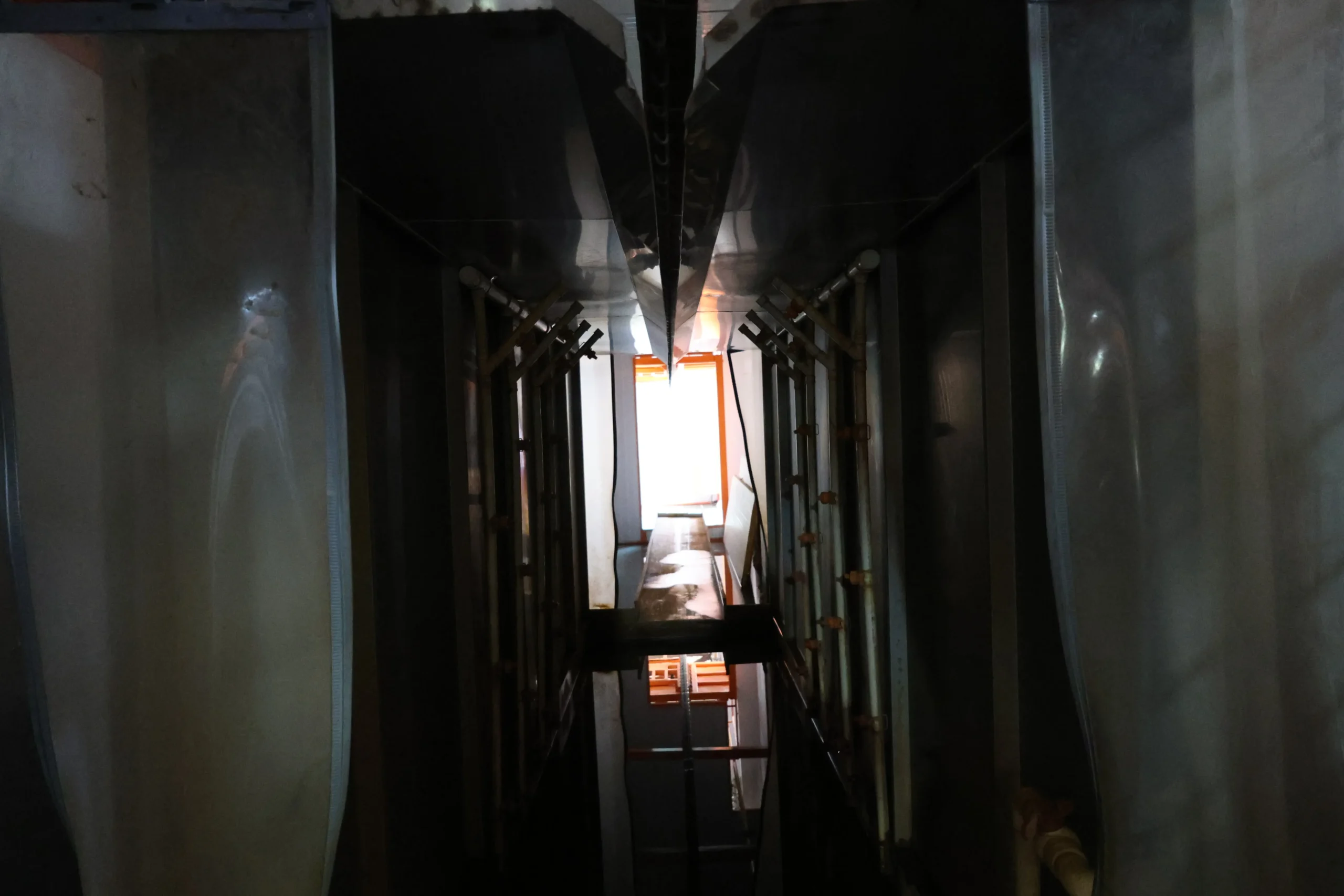
Linear Configuration
Traditional layout for spacious factories. Equipment arranged in a straight line for easy material flow.
Best for: Standard facilities with ample floor space
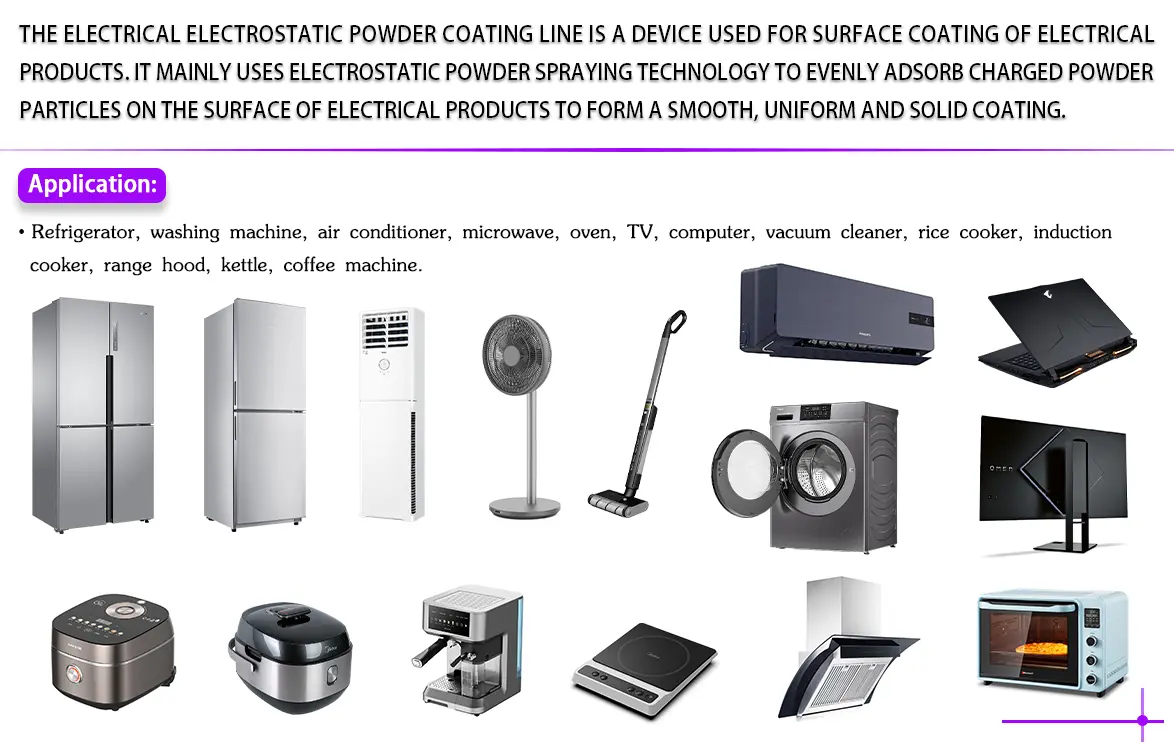
L-Shaped Layout
Efficient use of corner spaces. Equipment wraps around factory corners for space optimization.
Best for: Medium-sized facilities with moderate space
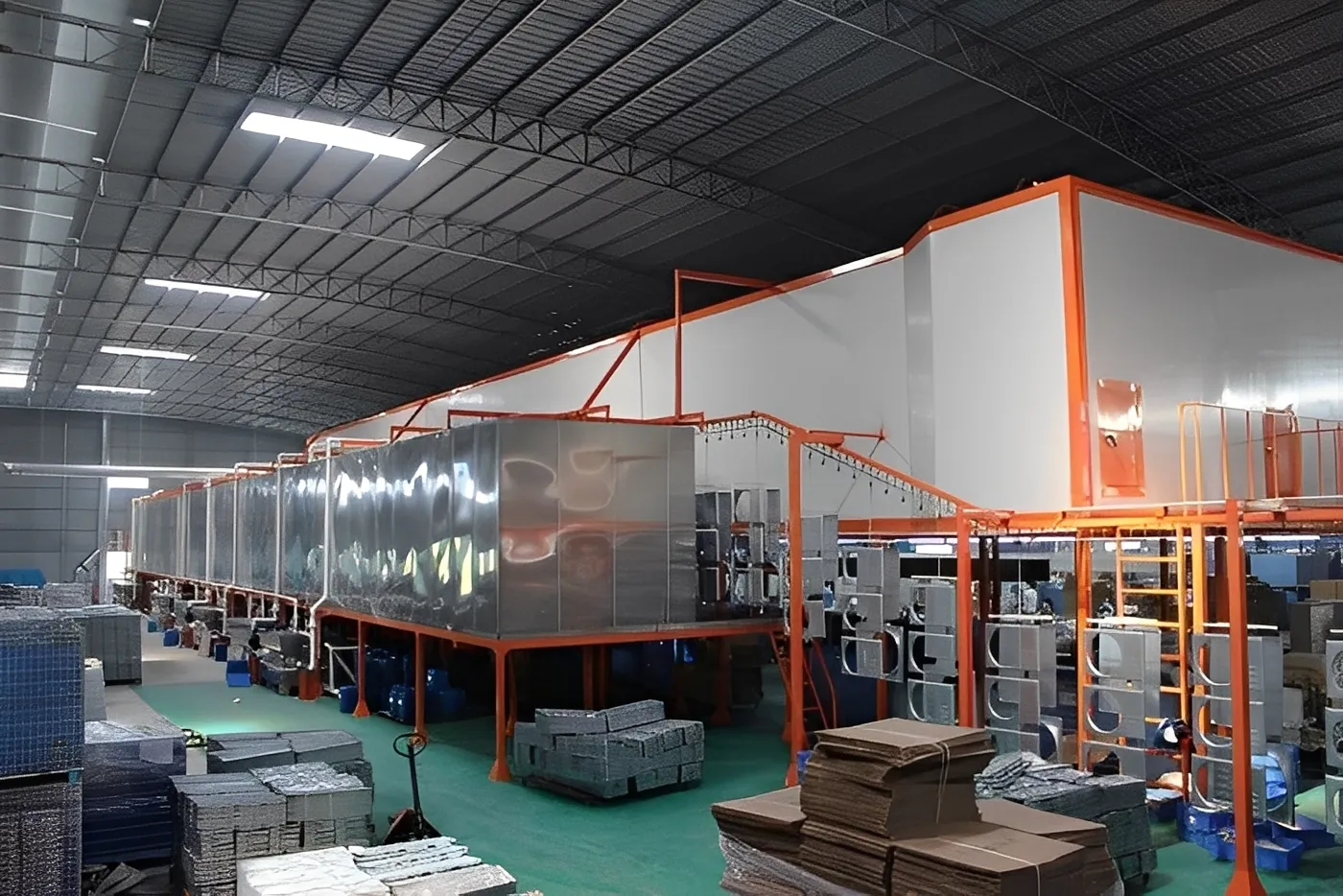
U-Shaped Compact
Maximum space efficiency for tight factory constraints. Equipment arranged in U pattern for minimal footprint.
Best for: Small or limited-space facilities
Ready to explore custom configurations for your factory? Our engineers will work with you to create the perfect solution.
Chat with Our EngineerSee the equipment beyond product descriptions
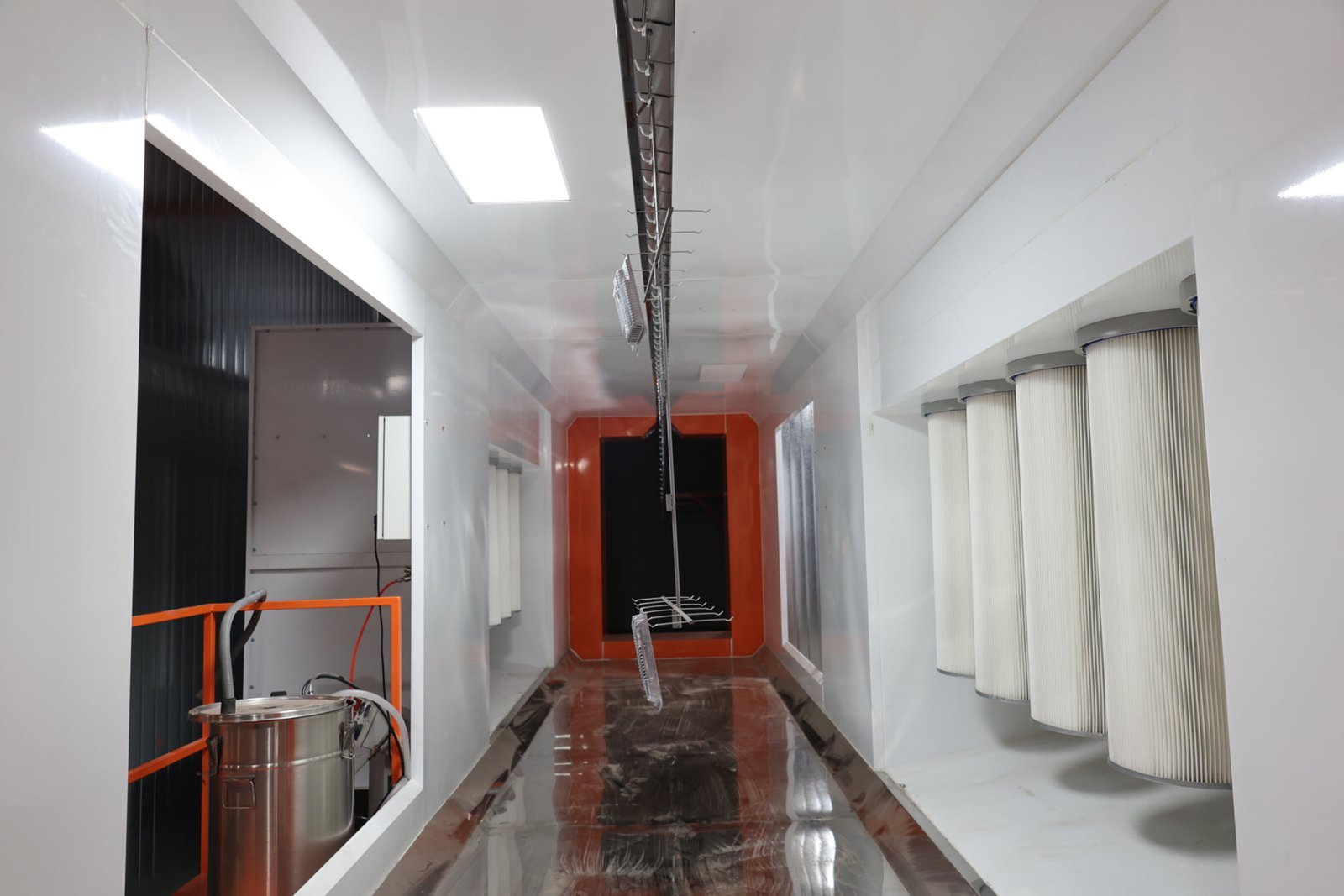
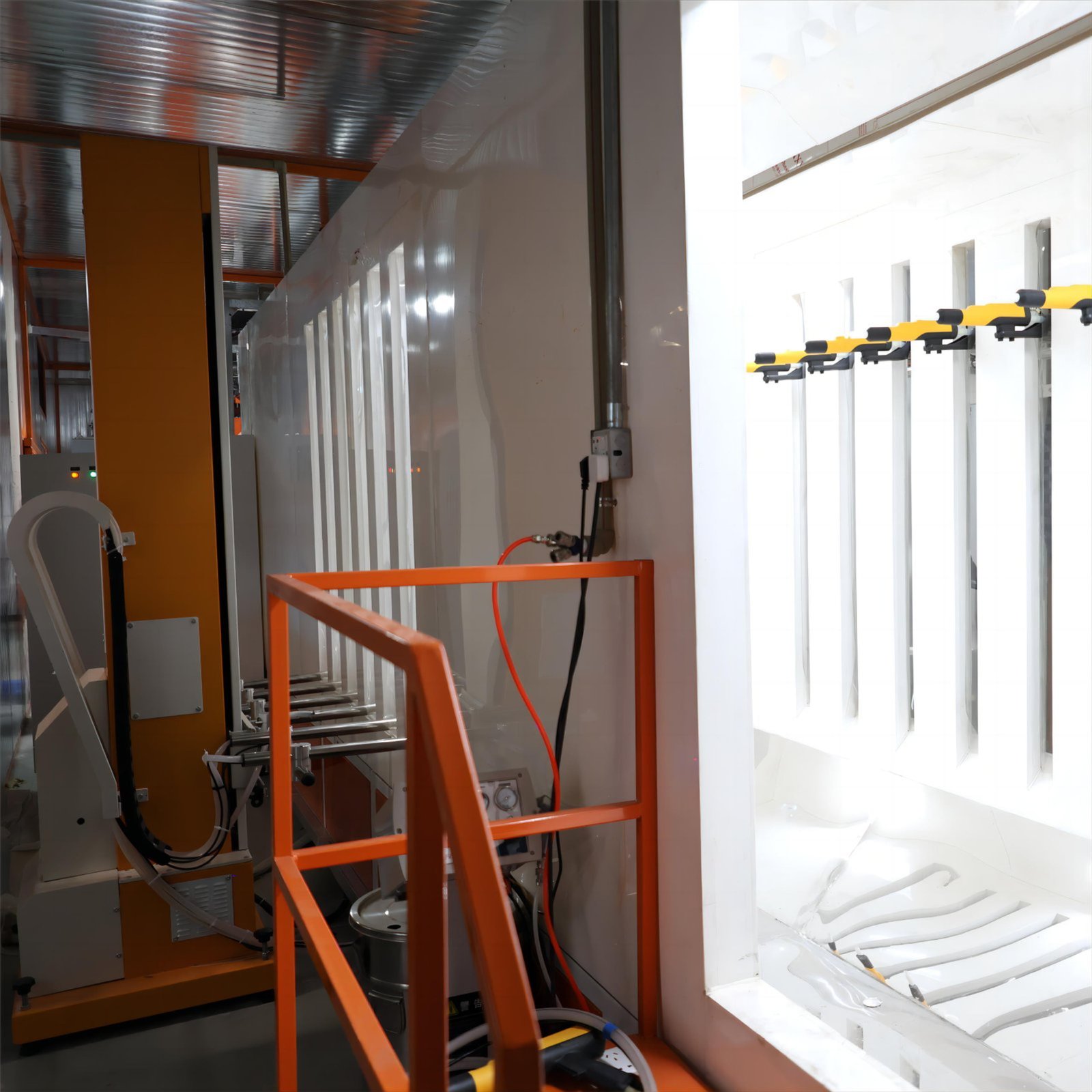
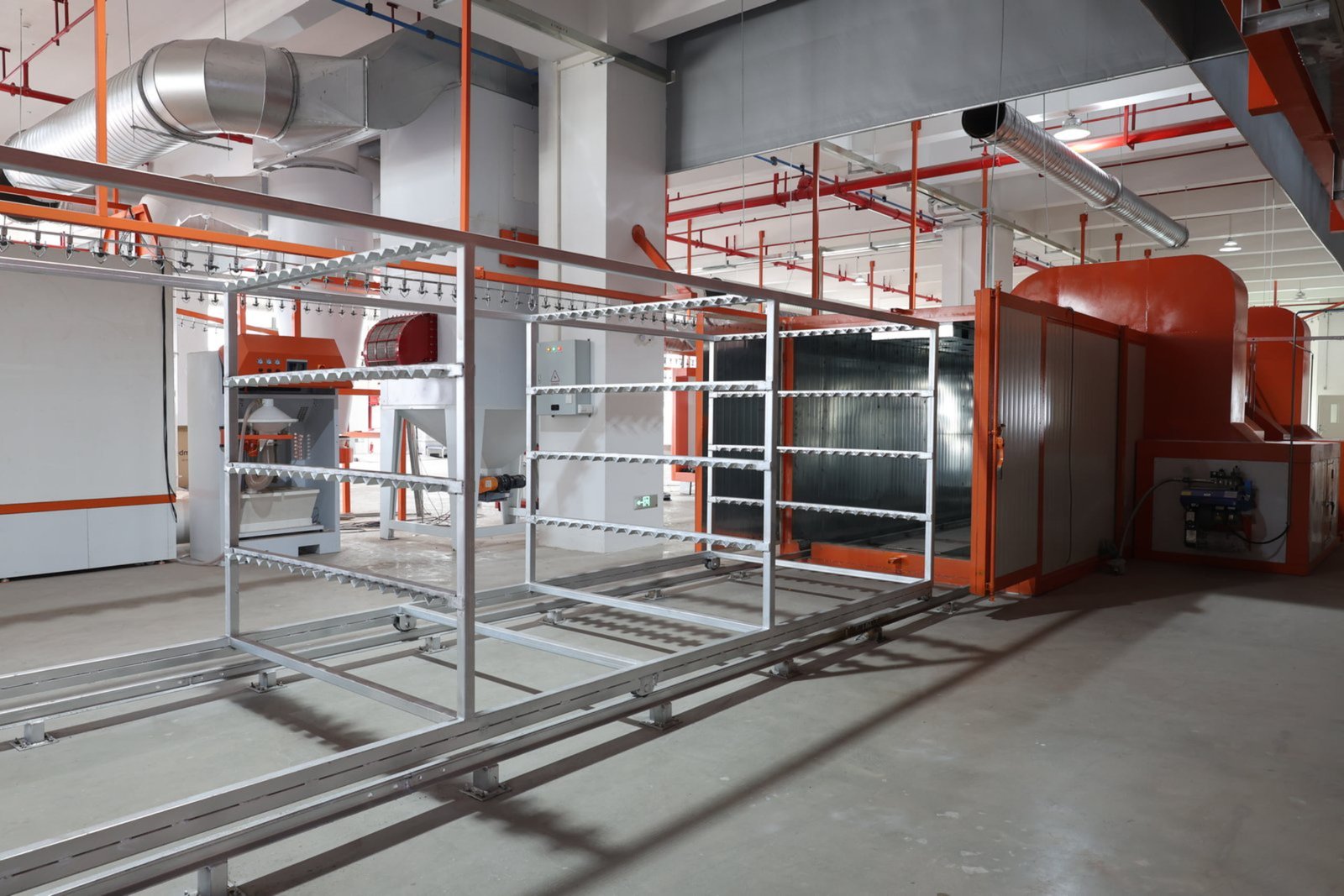
Equipment pages should help buyers recognize the real machines, assembly details and how the modules operate. Add the strongest real KETU photos and videos here.
Factory & Equipment Manufacturing Capability
See real workshop, equipment assembly and production scenes behind KETU powder coating equipment projects.



Different workpieces lead to different equipment decisions
These project examples focus on the engineering inputs that change equipment selection. Project status is stated clearly instead of turning every inquiry into a completed case.
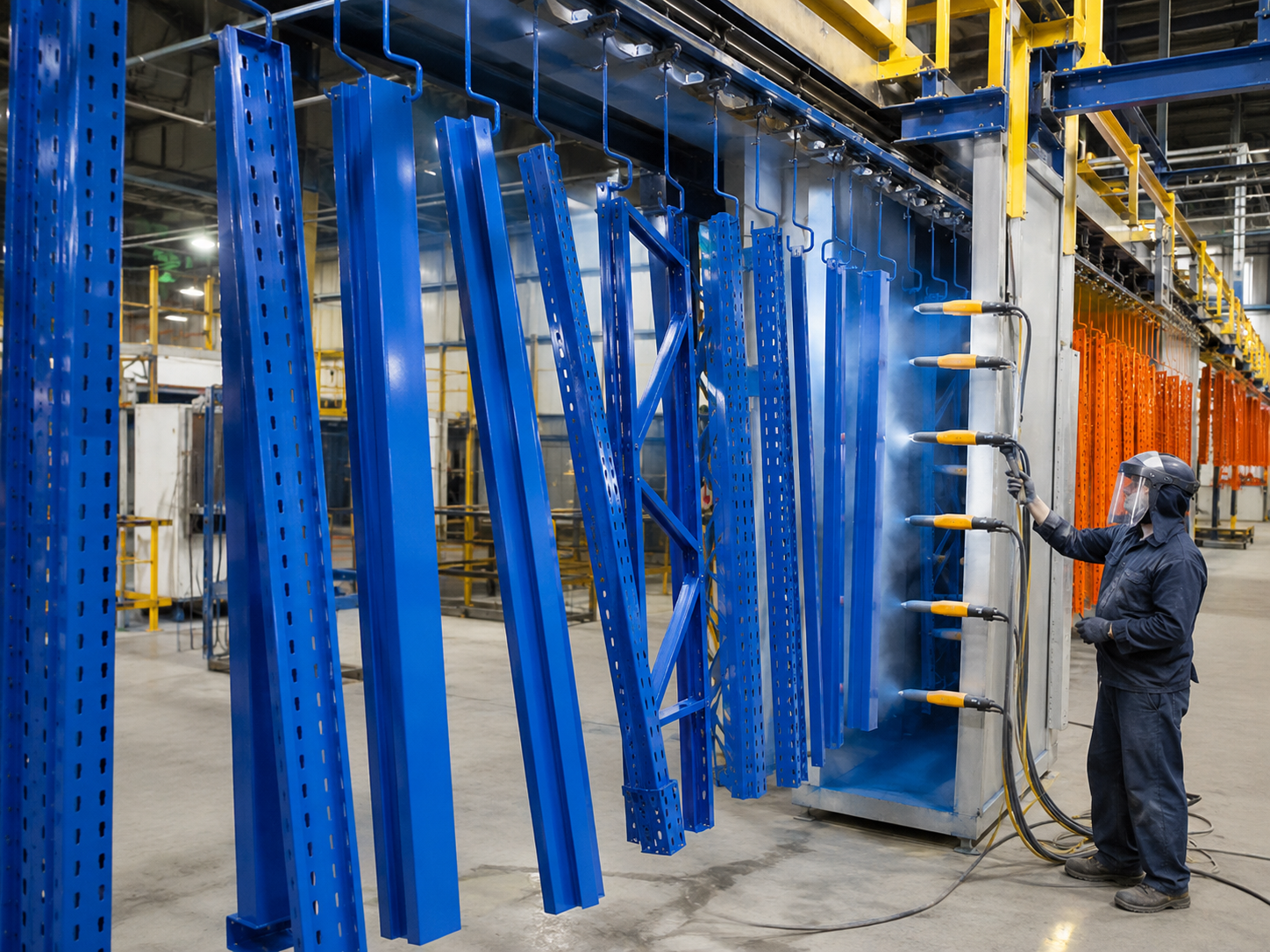
Storage Rack Manufacturing
Rack uprights, beams and connectors create different hanging-density and production-rhythm requirements.

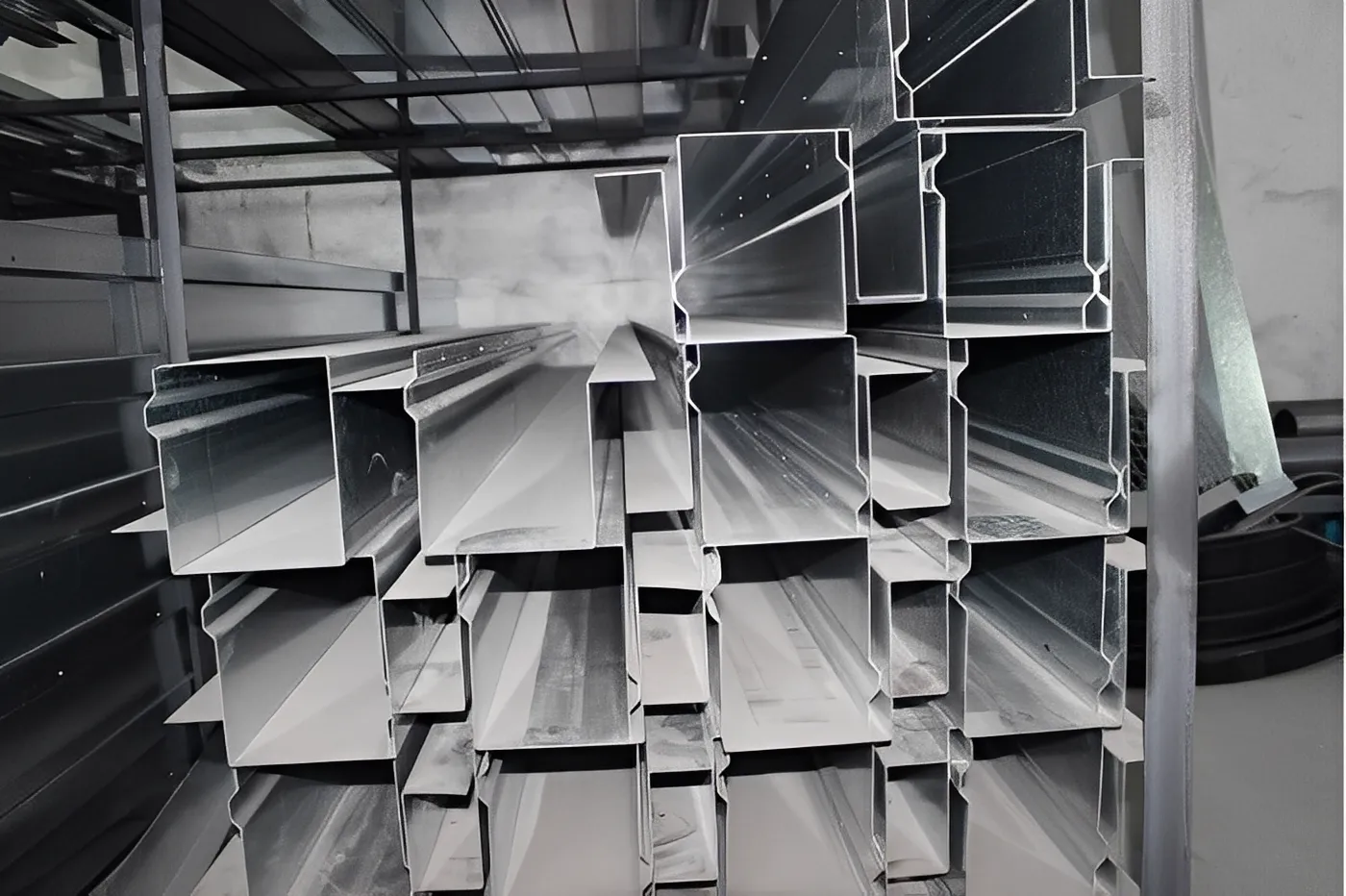
Aluminum Profile Production
Long workpieces make hanging, pretreatment, booth opening, recovery and curing consistency central equipment decisions.

Electrical Cabinet / Enclosure
Complex corners, cabinet size, corrosion requirement and automation level affect pretreatment, gun layout and conveying.

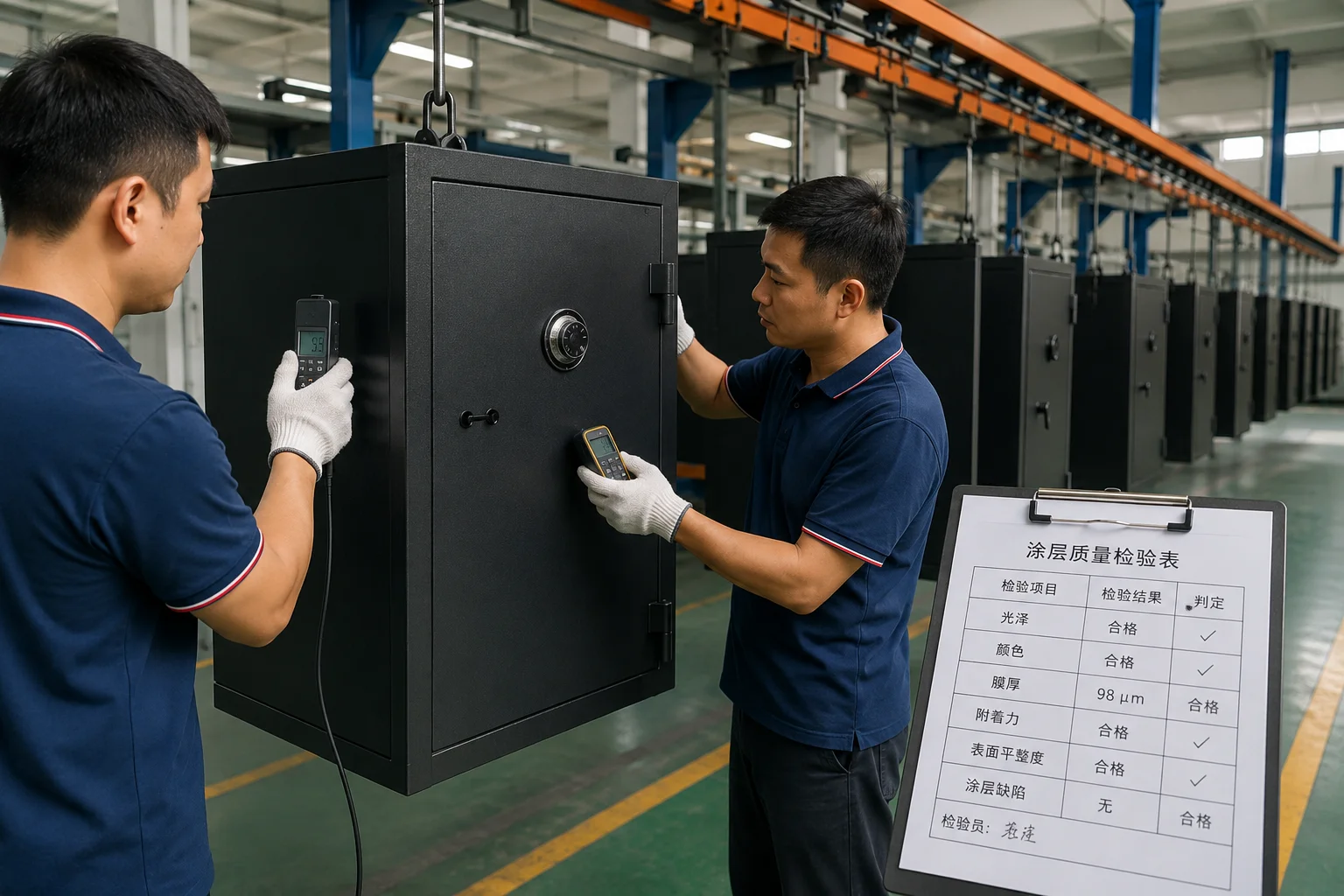
Safe & Large Cabinet Products
Large, heavy workpieces change manual handling, tank size, oven size and conveyor selection.
From Project Review to Installation – Equipment Delivery Workflow
See the main stages used to move a powder coating equipment project from requirement review to manufacturing, shipment, installation and handover.
Initial Consultation & Requirement Analysis
Our technical team meets with you to understand your production requirements, factory space, product types, and capacity needs. We create detailed technical specifications and factory layout drawings.
- → Deliverables: Technical specs, CAD layout, preliminary quote
Design, Quote & Commercial Agreement
We finalize the system design, provide detailed quotation, negotiate commercial terms, and execute the purchase agreement. Complete transparency on pricing and delivery timeline.
In-House Manufacturing & Assembly
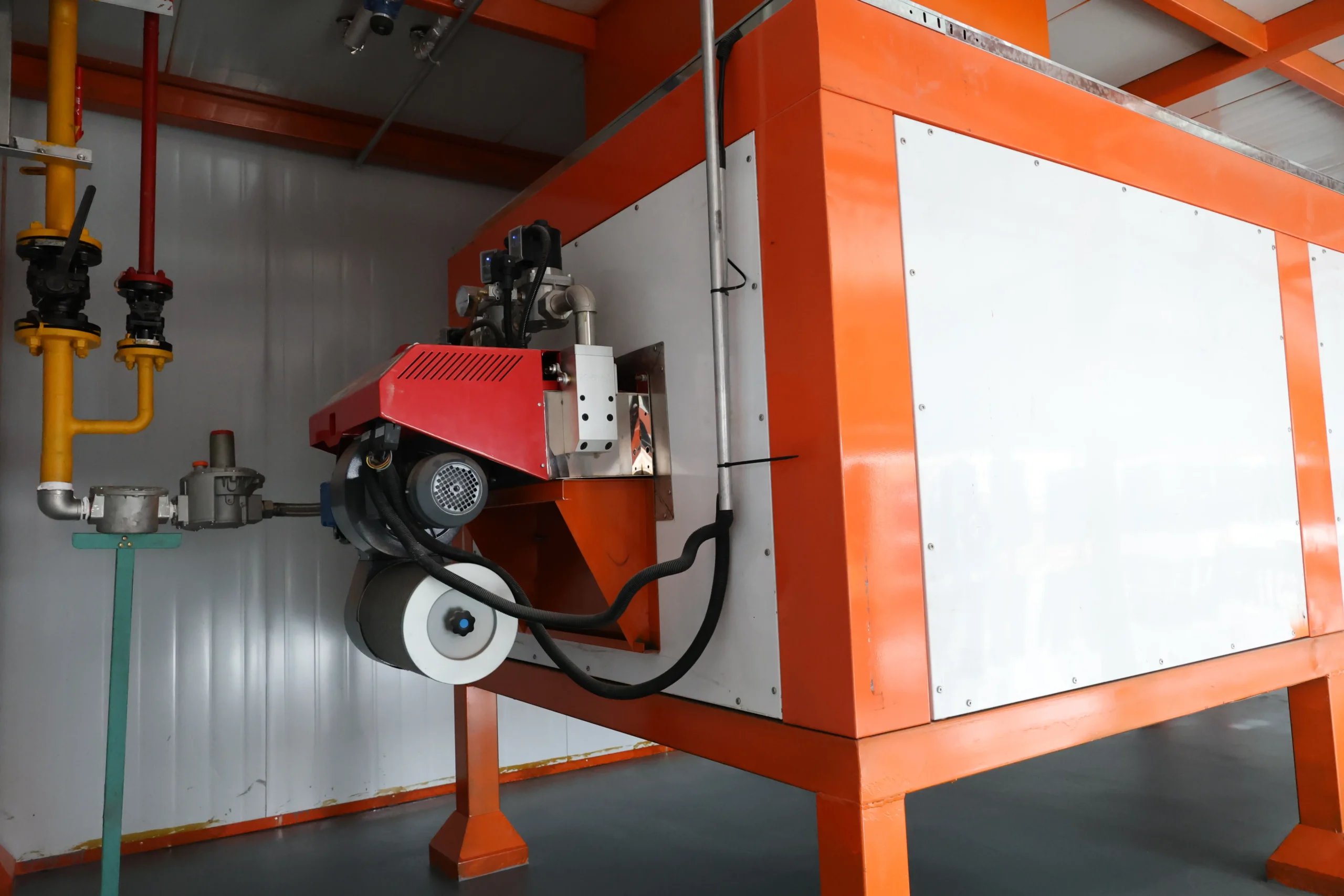
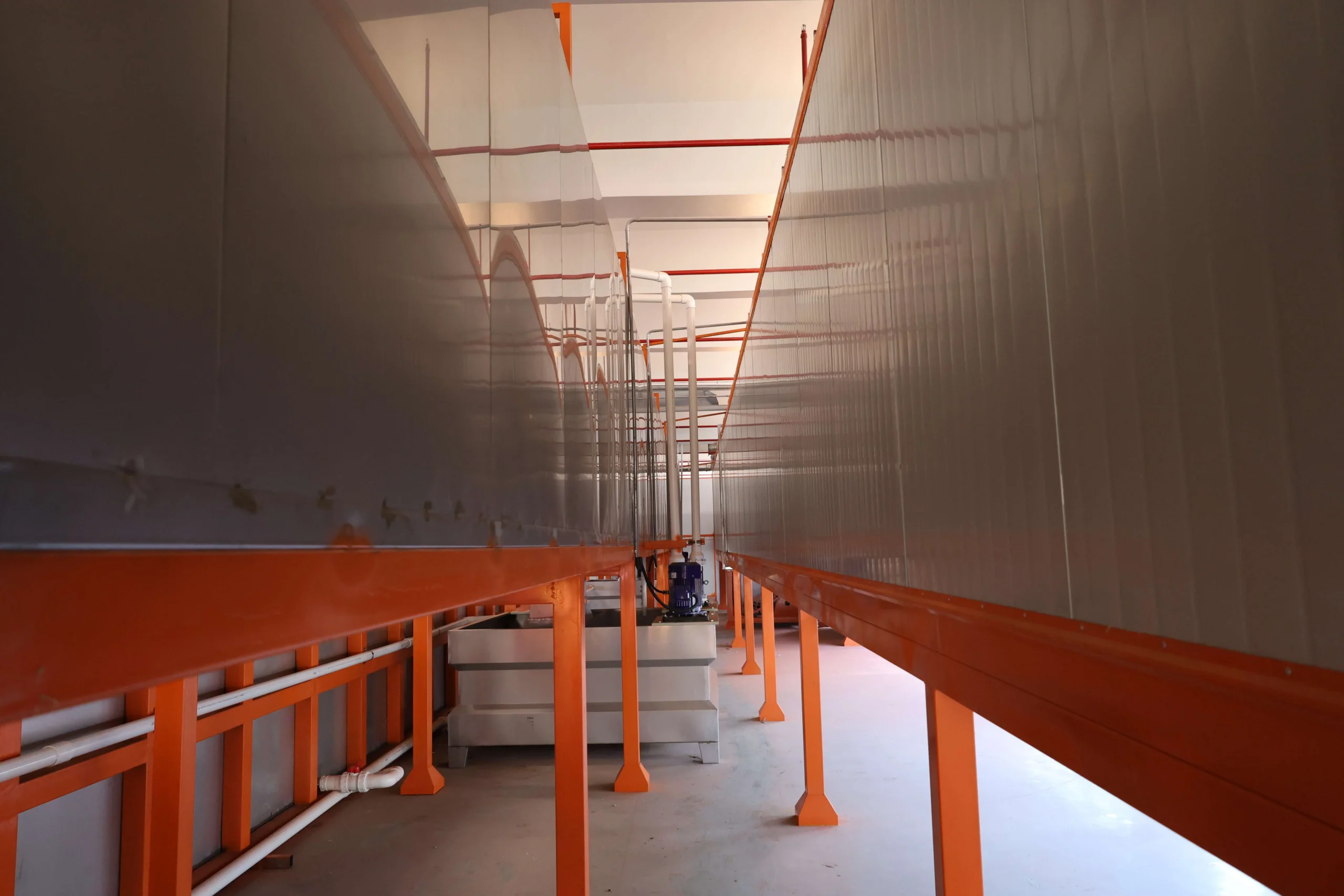
Equipment manufacturing, assembly and project preparation are coordinated through the KETU factory team, with inspection points defined according to project scope.
- → Quality assurance: Component testing at each assembly stage
Comprehensive Factory Testing & Validation
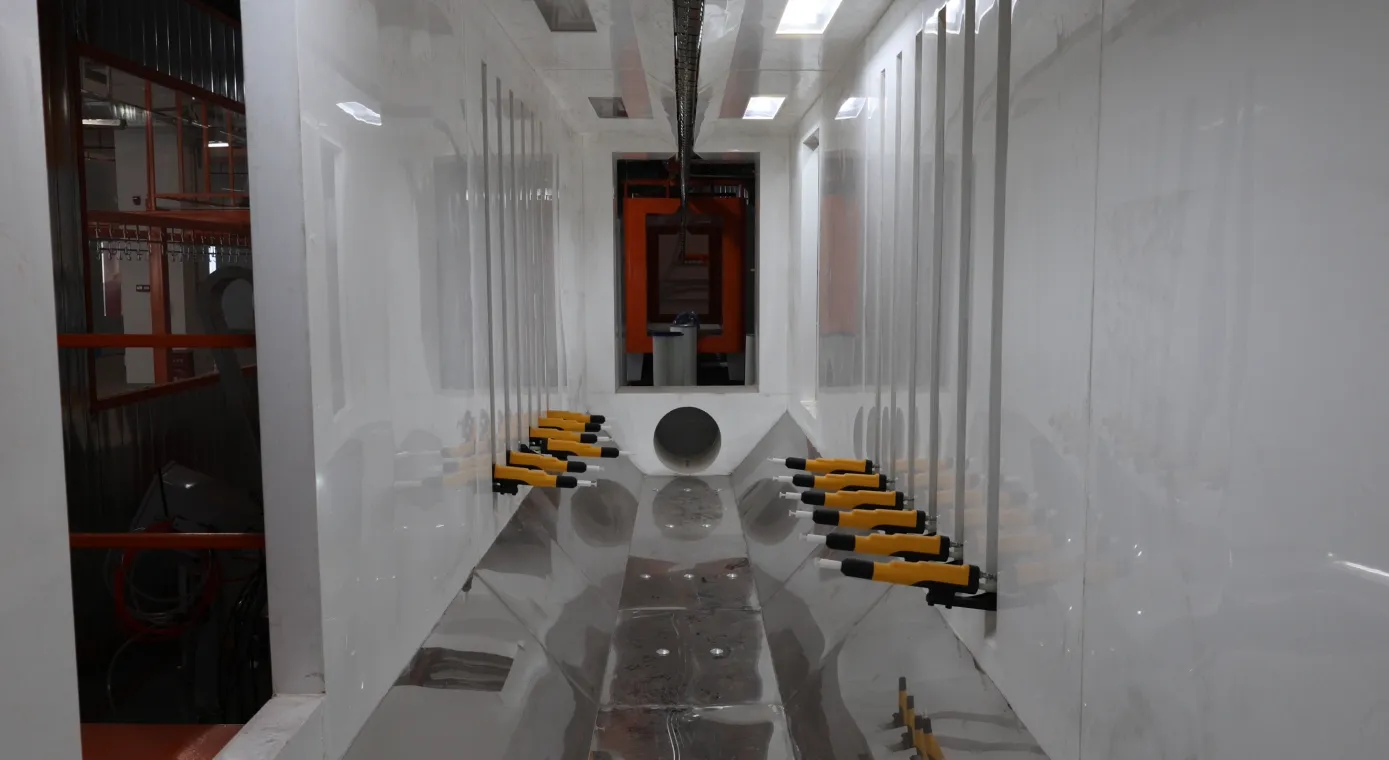
Factory inspection and functional checks are arranged according to the equipment scope before shipment. The exact test items depend on the project configuration.
- → Output: Test report, performance certificates, quality photos

Professional Packaging & Safe Shipping
Packing and shipment preparation are arranged according to equipment size, route and transport requirements. Shipping scope is confirmed with the project.
- → Shipping options: Ocean (cost-effective), Air (fast), or Land
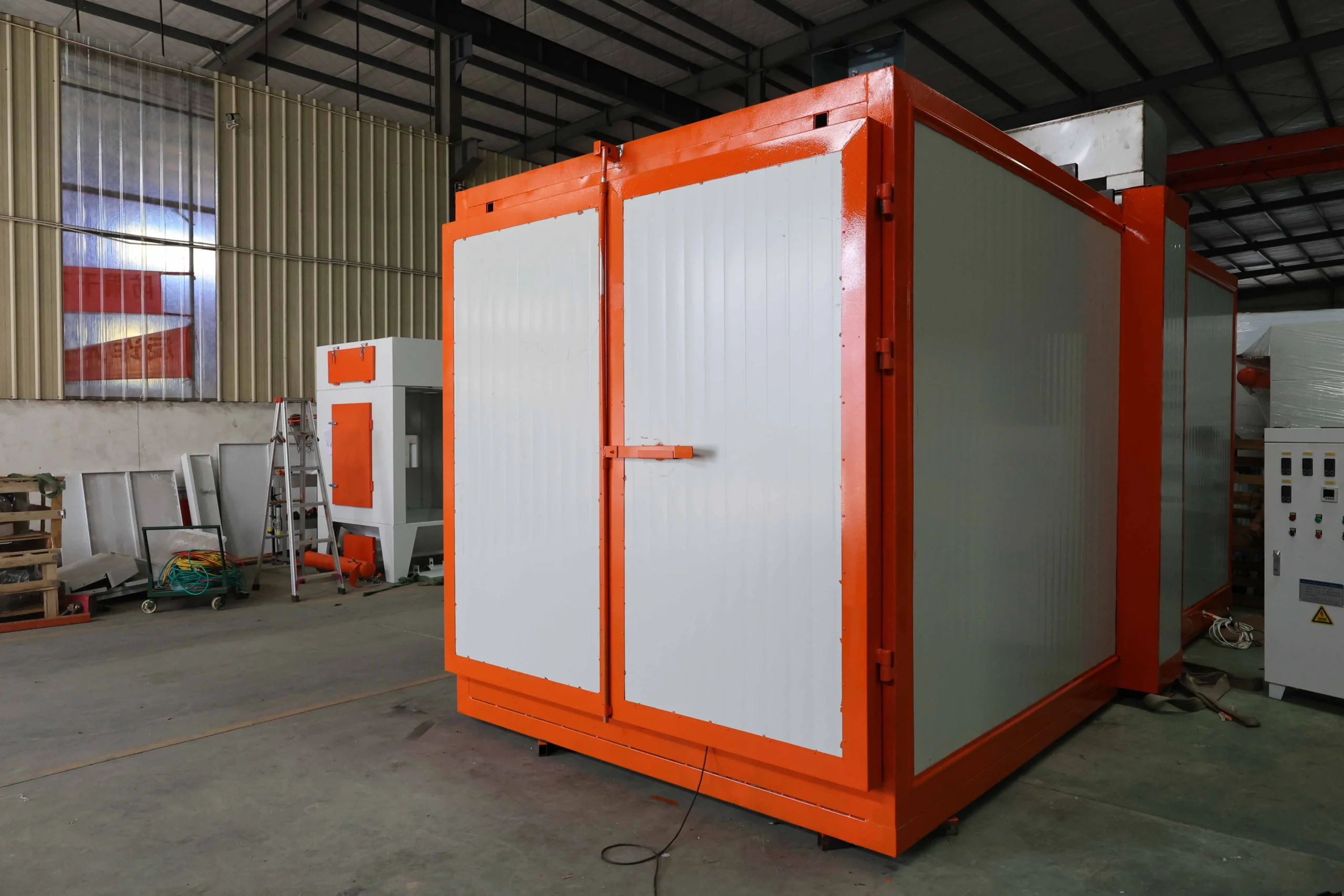
Professional On-Site Installation & Assembly
Installation and commissioning support can be arranged according to the agreed project scope, site conditions and local responsibilities.
- → Included: Site preparation, assembly, utility connections, safety checks
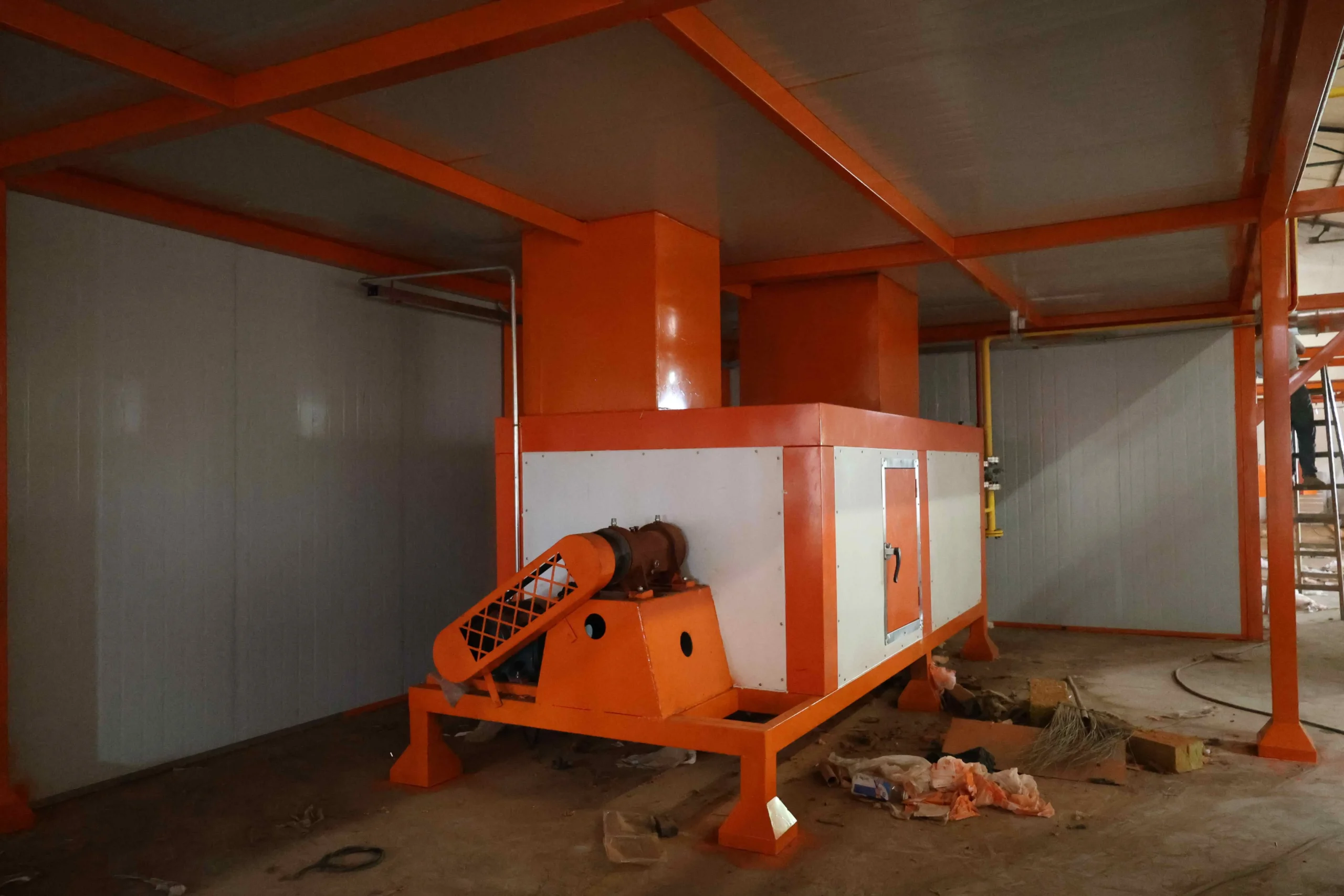
System Commissioning & Parameter Optimization
Fine-tuning all parameters: spray booth airflow, oven temperature distribution, conveyor speed, pretreatment chemistry balance, and coating quality consistency. Test sprays validate coating results.
- → Validation: Test batches, quality inspection, parameter lockdown
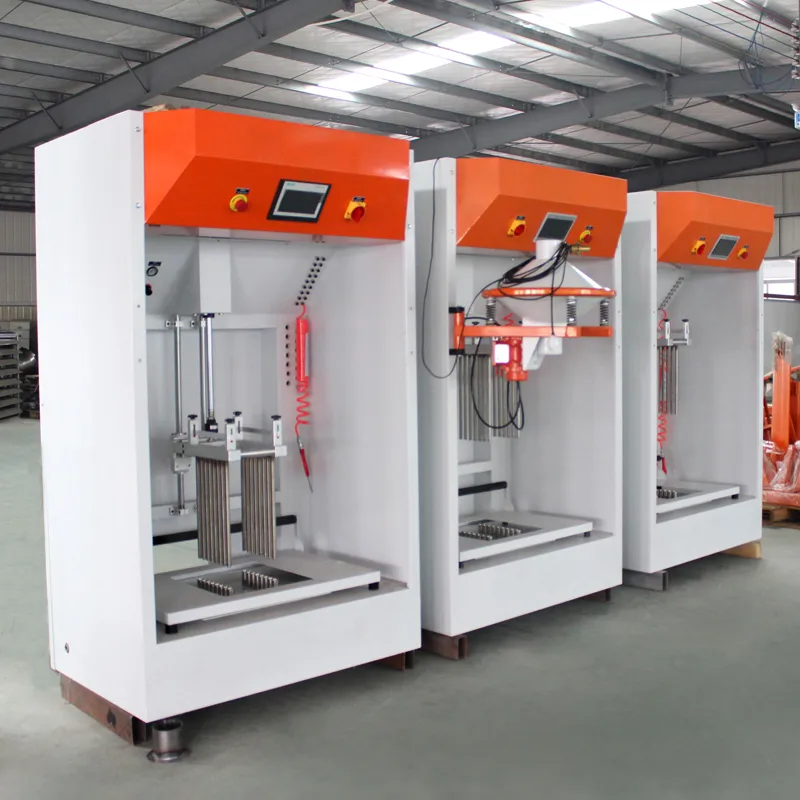
Comprehensive Operator & Maintenance Training
Operator and maintenance training can cover equipment operation, routine checks, troubleshooting guidance and agreed safety procedures.
- → Participants: Operators, maintenance technicians, supervisors

Formal Handover & Ongoing Support
At handover, project documents, agreed training items and support scope are reviewed with the customer. Spare-parts and future upgrade support can be discussed as needed.
- → Ongoing: Spare parts availability, upgrades, consultation services
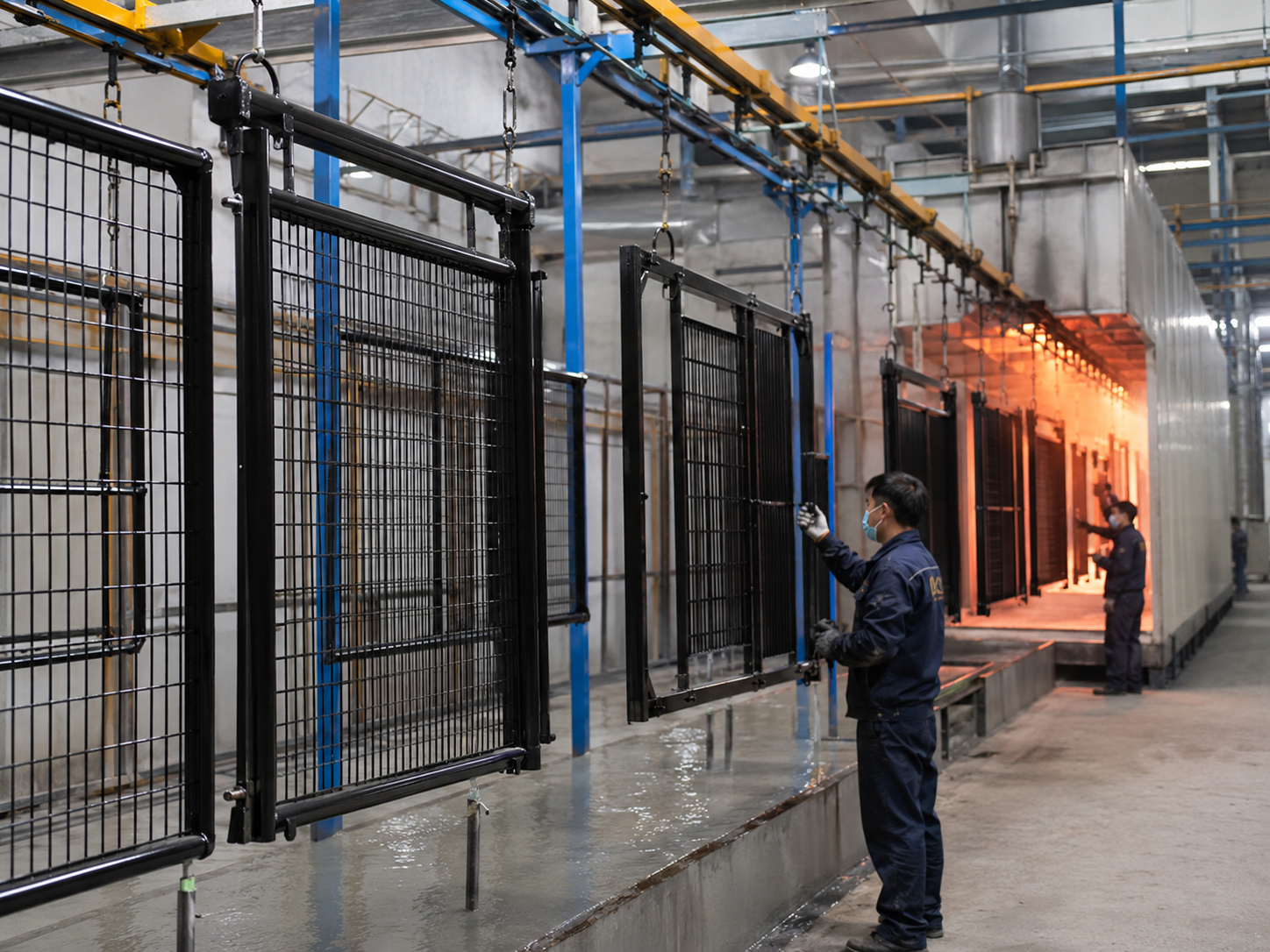
Timing depends on equipment scope, complexity and approval speed.
Installation planning depends on workshop readiness and local utilities.
Manufacturing, assembly and checks are coordinated before shipment.
Training, spare parts and future upgrade support can be arranged by scope.
Installation, Training & Equipment Support
Support can cover pre-delivery coordination, installation and commissioning guidance, operator training, spare parts and technical follow-up according to the agreed project scope.
Pre-Delivery Support
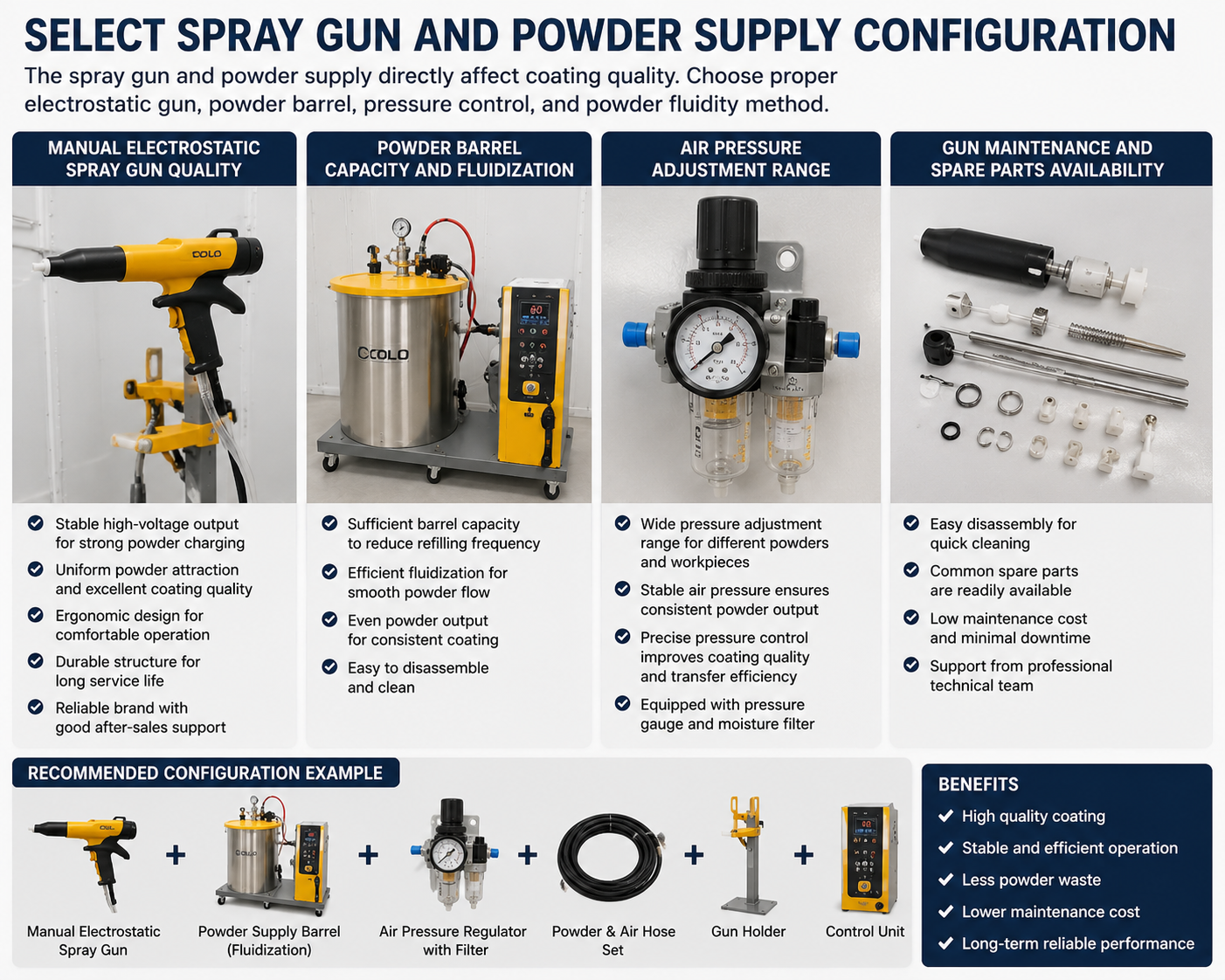
Technical Consultation & Design
Factory Space Planning & CAD Design
Commercial & Contract Support
Installation & Commissioning

On-Site Installation & Assembly
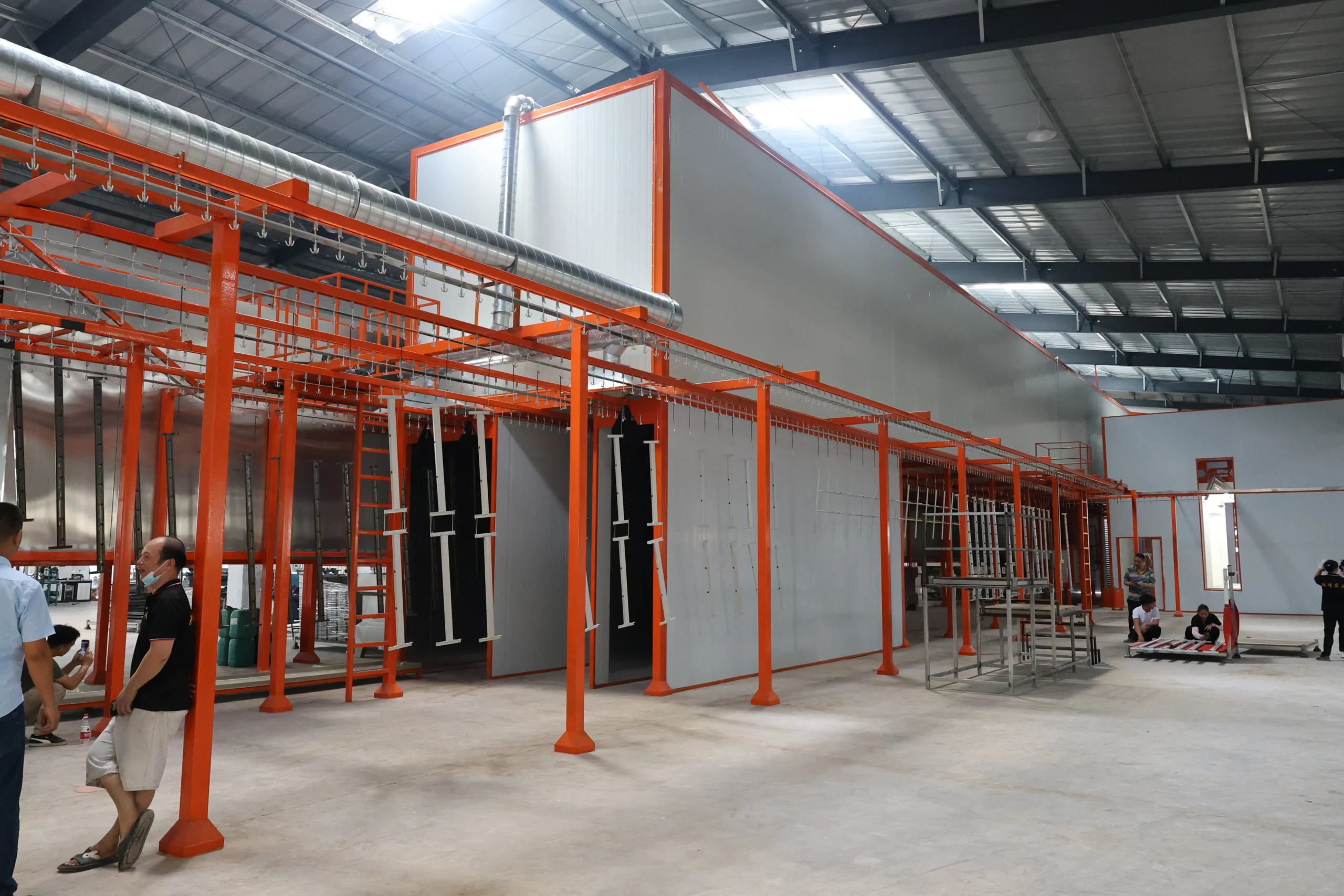
Factory Testing & Validation
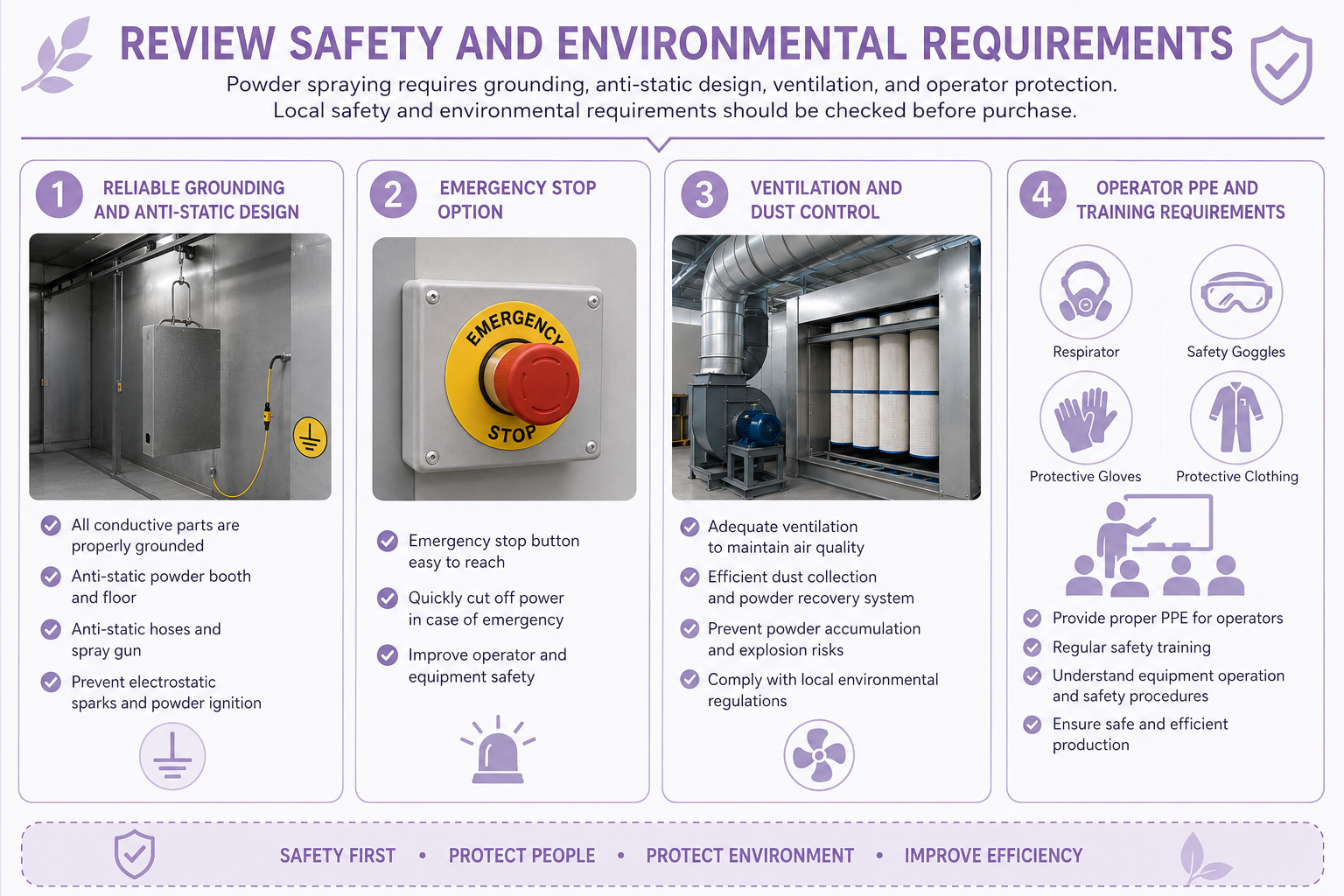
Complete Commissioning
Operator Training & Support

Operation & Safety Training

Maintenance & Troubleshooting
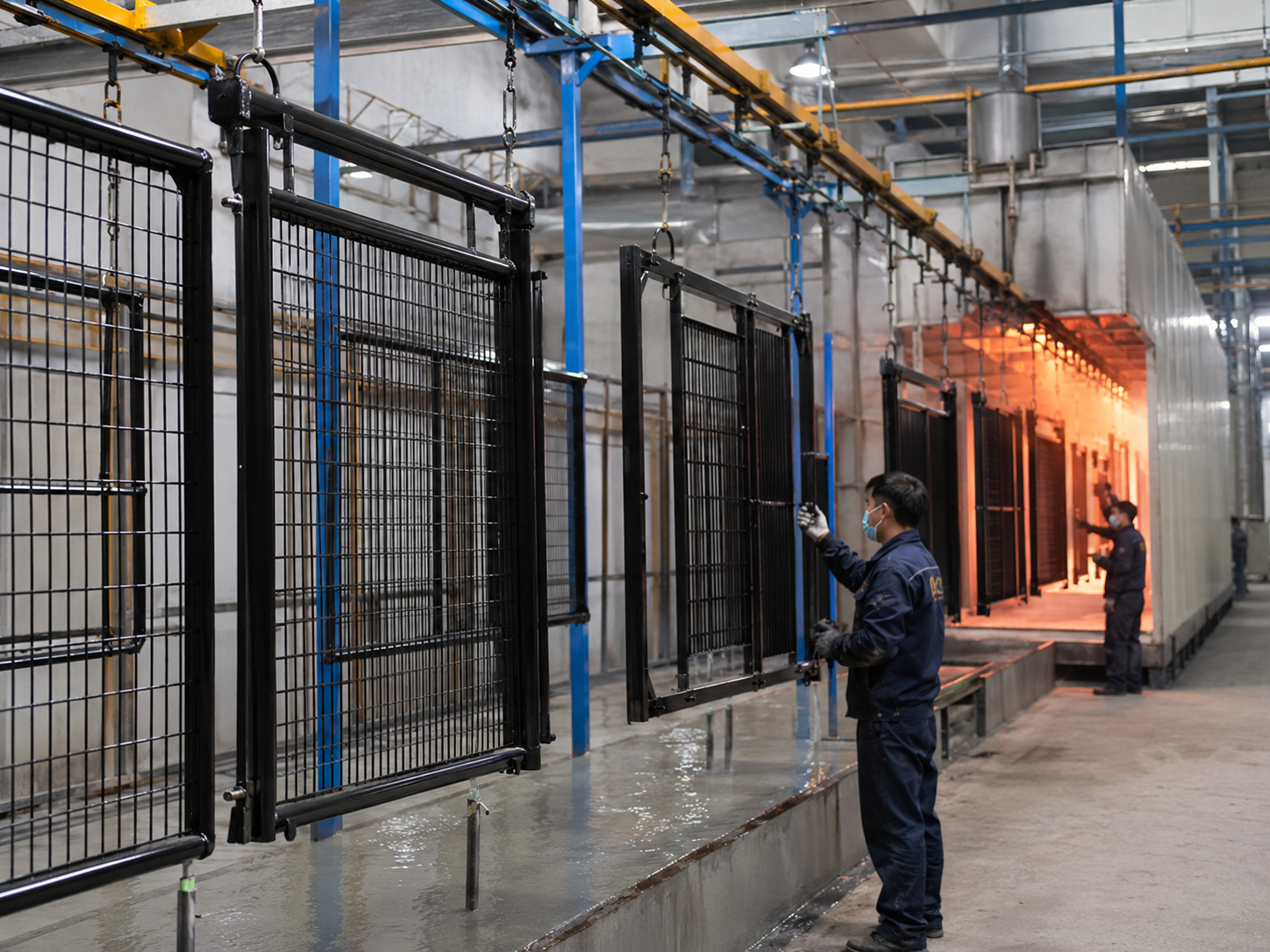
Documentation & Reference
Spare Parts & Maintenance
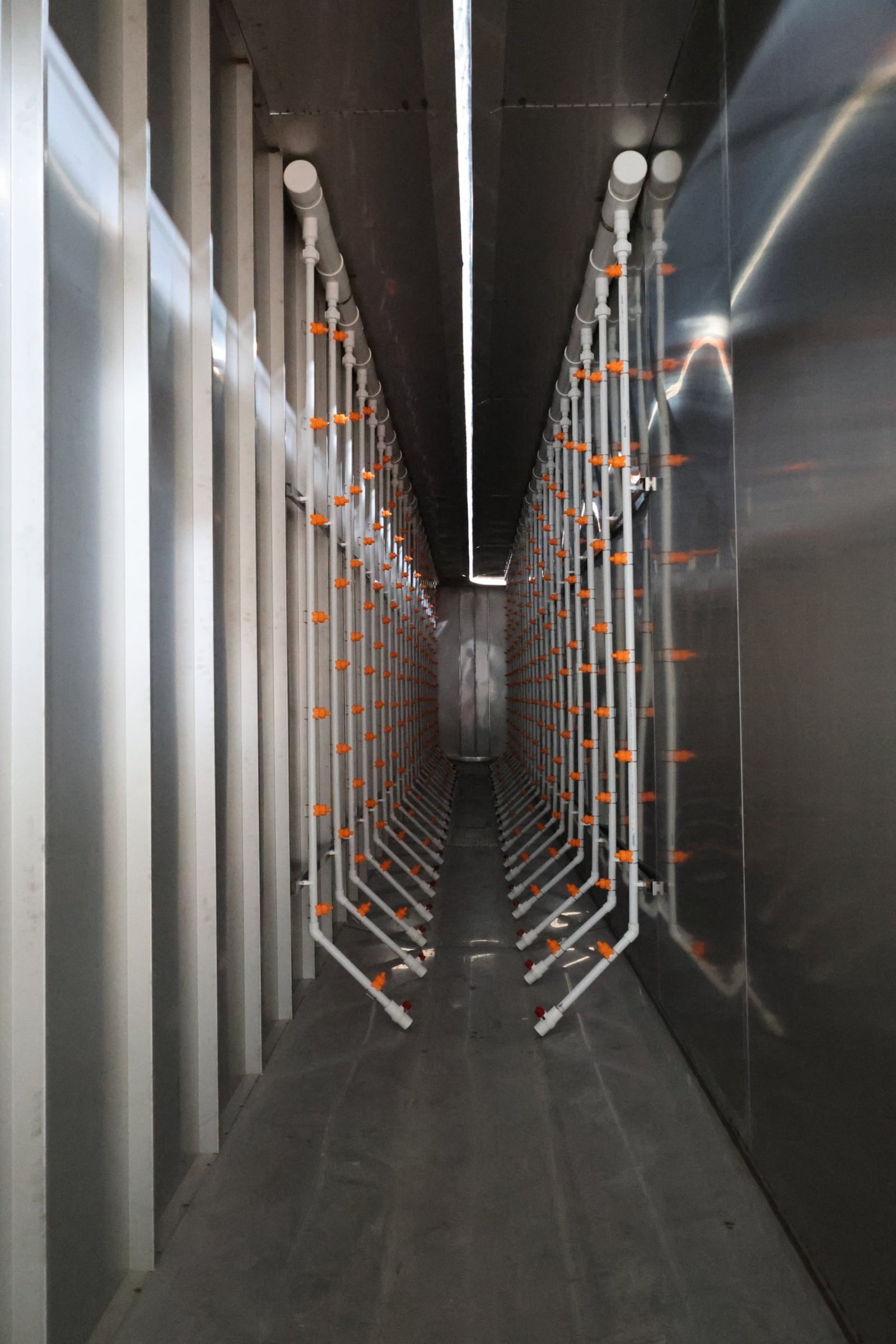
Original Spare Parts Supply
Scheduled Maintenance Plans
Emergency & Urgent Support
On-Site & Remote Technical Support
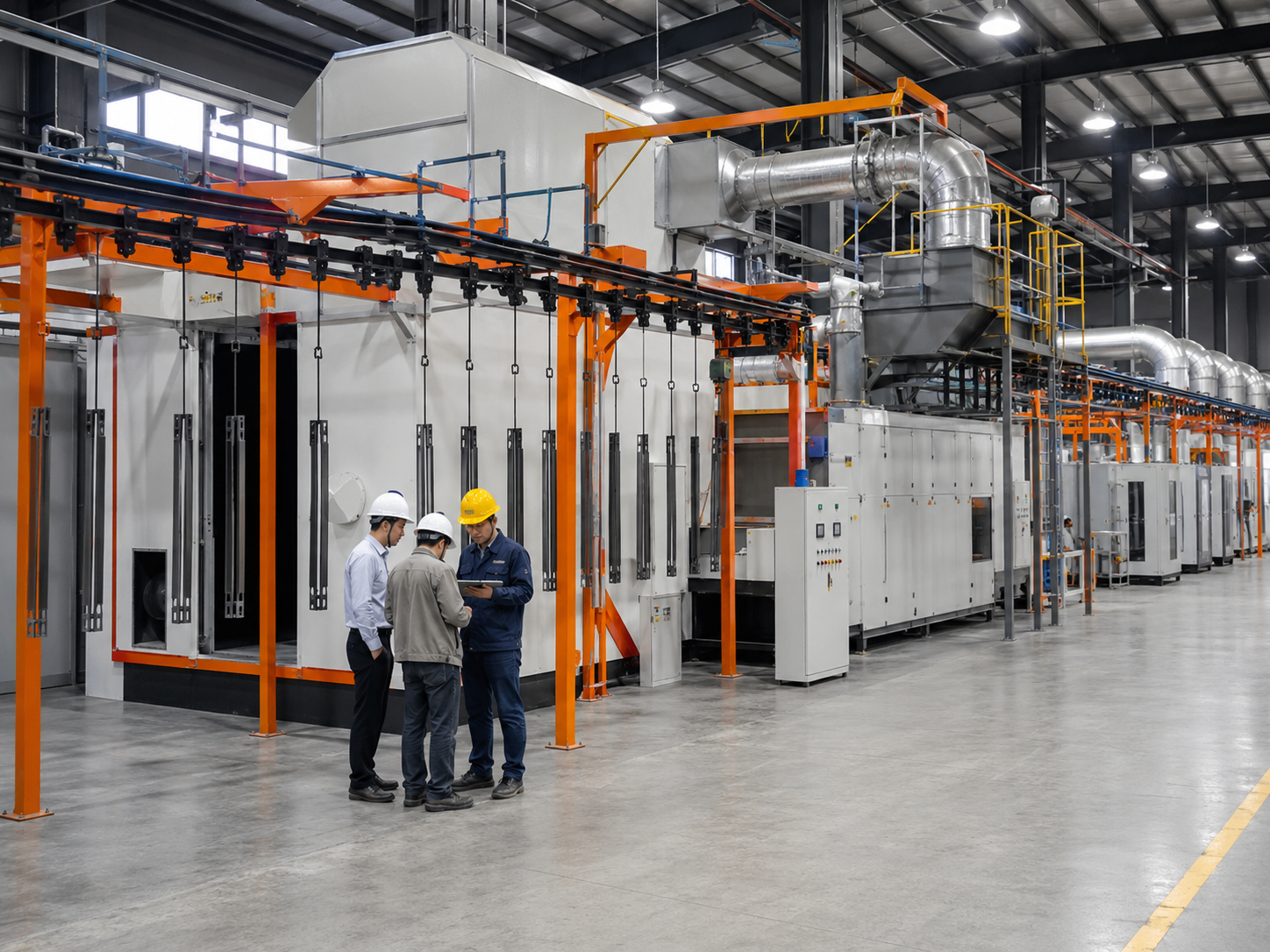
On-Site Troubleshooting
Remote Video & Phone Support
Remote Technical Consultation
Long-Term Support & Optimization

Equipment Upgrades & Improvements
Regular Maintenance Checkups

Optimization & Efficiency Review
How to choose equipment without missing the interfaces that matter
Use these eight chapters to compare module function, workpiece inputs, capacity, automation, utilities, upgrade compatibility, supplier proof and RFQ preparation.
Define whether you are buying a system or one module
A complete new line should be planned from the overall process route. A replacement machine should be planned from the existing interfaces and bottleneck.
Collect the workpiece data before comparing equipment sizes
The same equipment name can require very different dimensions and interfaces for different products.
Calculate capacity from hanging density and process time
Conveyor speed is only one part of capacity. Parts per hanger, hanger pitch and required process residence time all affect the final equipment size.
Choose booth, recovery and powder supply together
These three modules form one application system. Color-change frequency, reuse strategy, gun quantity and automation level should be evaluated together.
Match pretreatment and heating equipment to the substrate and thermal load
Pretreatment depends on material, contamination and corrosion target. Oven design depends on the real workpiece thermal load, heating source and curing requirement.
Select automation around production stability, not around a label
Manual, semi-automatic and automatic equipment each solve different production problems. The right level depends on product consistency, labor conditions and output.
| Factor | Manual / Semi-Automatic | Automatic |
|---|---|---|
| Product variety | More flexible for changing workpieces | Best when the product route is more stable |
| Labor involvement | Higher | Lower in spraying / movement |
| Control integration | Simpler | More signals, automation and interlocks |
| Upgrade path | Can be phased | Can support higher automation |
Check compatibility before upgrading an existing line
A replacement booth, oven, recovery system or conveyor must connect to the equipment that remains.
Prepare an RFQ that allows the supplier to select the equipment properly
You do not need every engineering detail at the beginning. Start with the project inputs that change equipment selection the most.
Common questions about powder coating equipment
These answers keep the page focused on equipment selection. Deeper process and complete-line questions can continue into the relevant owner pages.
What equipment is required for a complete powder coating system?
Can I buy only a powder booth, oven or recovery system?
What is the difference between powder coating equipment and a powder coating line?
How do I choose between manual and automatic powder coating equipment?
How do I know what size booth or oven I need?
Should booth and recovery be selected separately?
What information should I send for an equipment quotation?
Can the equipment be integrated with my existing line?
Tell us what equipment problem you need to solve
You can request a complete equipment system, a replacement module or an upgrade review. Send the project information you already have and KETU can continue the engineering discussion from there.
Send Project Information
Fill in the basic information below. If you have drawings or layout files, mention them in the project notes and send them during follow-up.
 English
 German
 Vietnamese
 French