
Final Step for Durable Coating
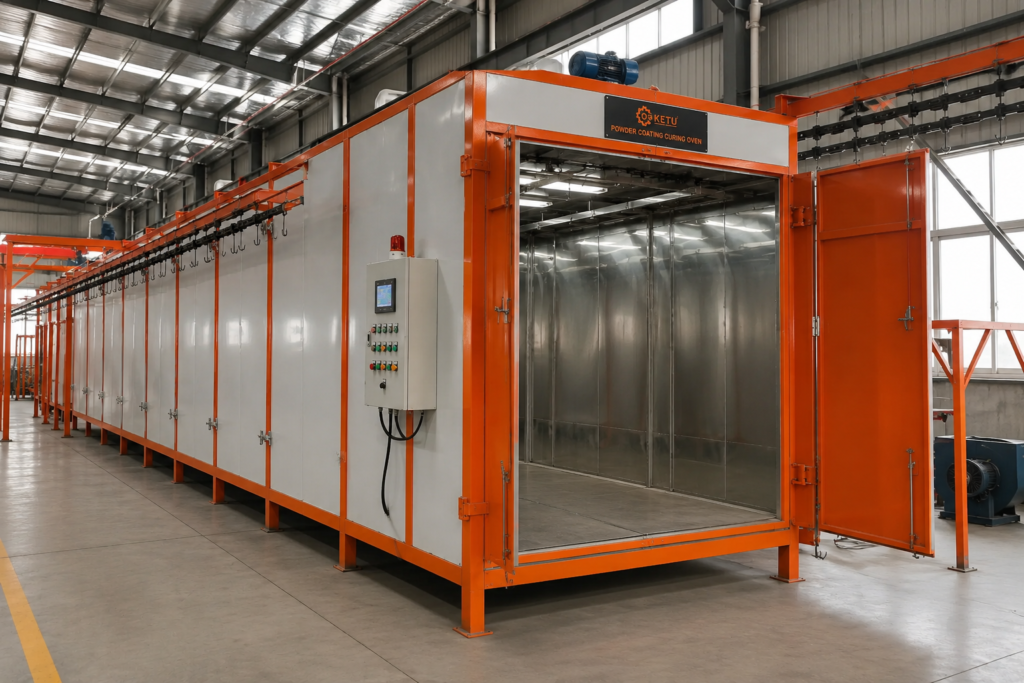
Powder Coating Curing Ovens
Precise Temperature Control for Perfect Cross-Linking
KETU curing ovens cross-link powder coating at 180-220°C to achieve final hardness, chemical resistance and durability.
Available in gas, diesel or electric heating with multi-zone temperature control and ±3-5°C uniformity across the oven.
-
Gas, diesel & electric options -
±3-5°C temperature uniformity -
Multi-zone control for large ovens -
Energy-efficient insulation design
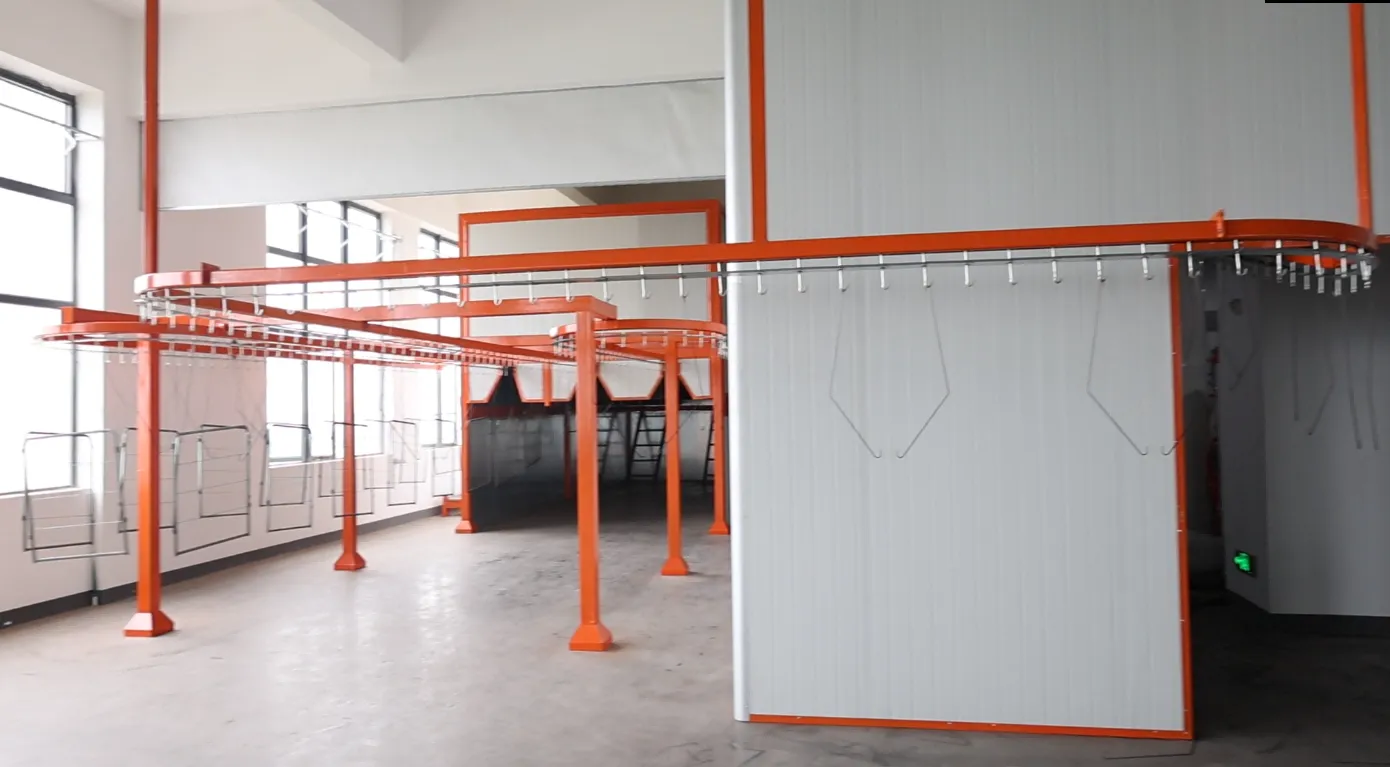
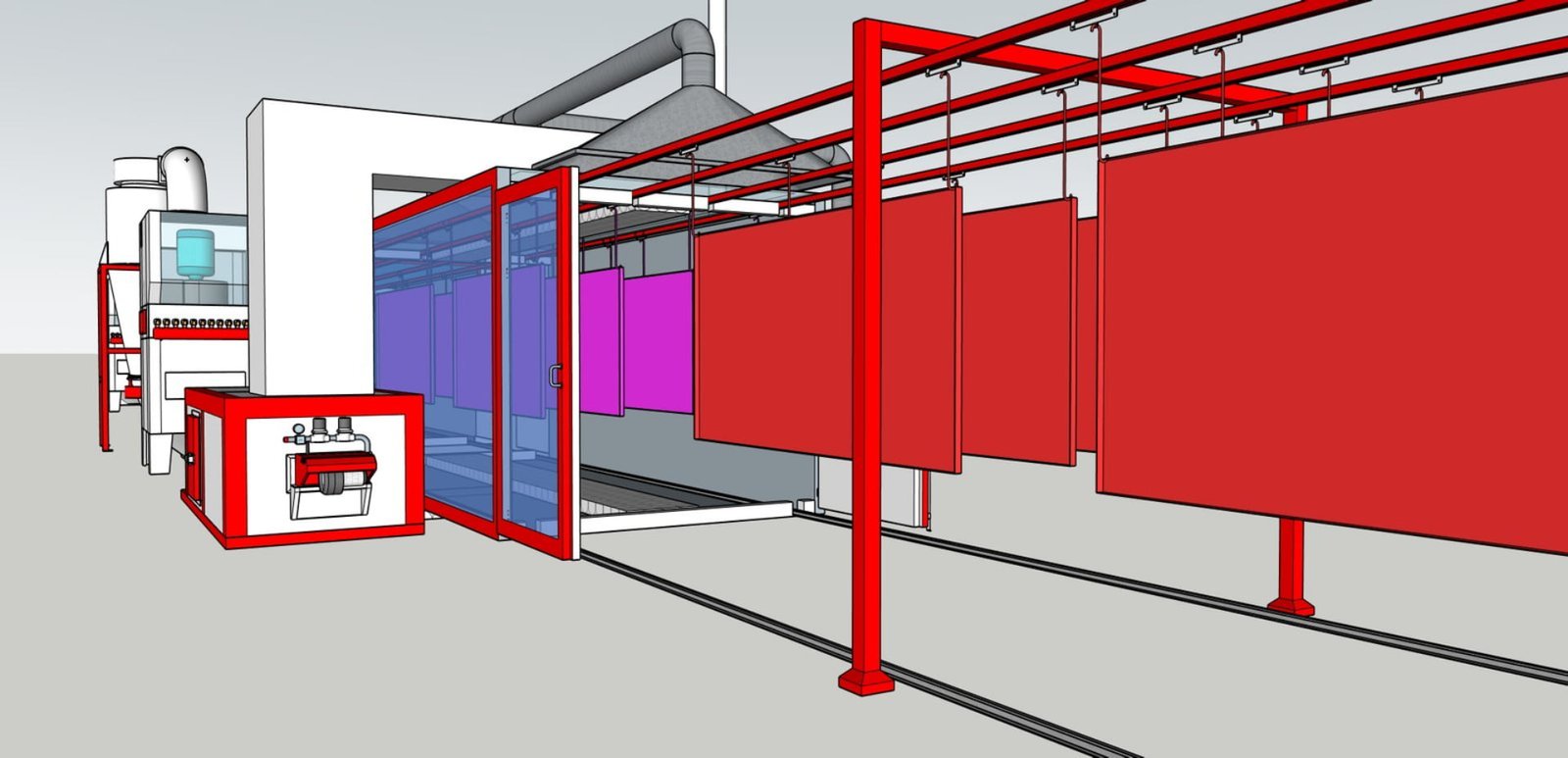
Temperature Uniformity
±3-5°C across oven
Energy Savings
Up to 30%
Why Precise Curing Temperature is Critical
Powder coating curing is not just "baking paint." It's a chemical cross-linking process where powder particles melt,
flow together and form molecular bonds. Temperature and time must be precisely controlled to achieve proper cross-linking
without over-curing or under-curing.
What happens during curing:
-
Melting (160-170°C): Powder particles soften and begin to flow -
Flowing (170-180°C): Powder spreads across surface, fills gaps and levels out -
Cross-linking (180-220°C): Chemical reaction creates molecular bonds between powder molecules -
Final hardening: Coating develops final mechanical properties (hardness, flexibility, chemical resistance)
⚠️ Under-Cured Coating
- • Soft, weak film that scratches easily
- • Poor chemical & solvent resistance
- • May remain tacky or sticky
- • Fails adhesion tests
⚠️ Over-Cured Coating
- • Brittle film that cracks or chips
- • Color shifts (yellowing, browning)
- • Loss of gloss
- • Reduced impact resistance
Industry standard: Most powder coatings cure at 180-200°C for 10-20 minutes.
Temperature uniformity ±5°C is acceptable for most applications; ±3°C is preferred for critical OEM work.
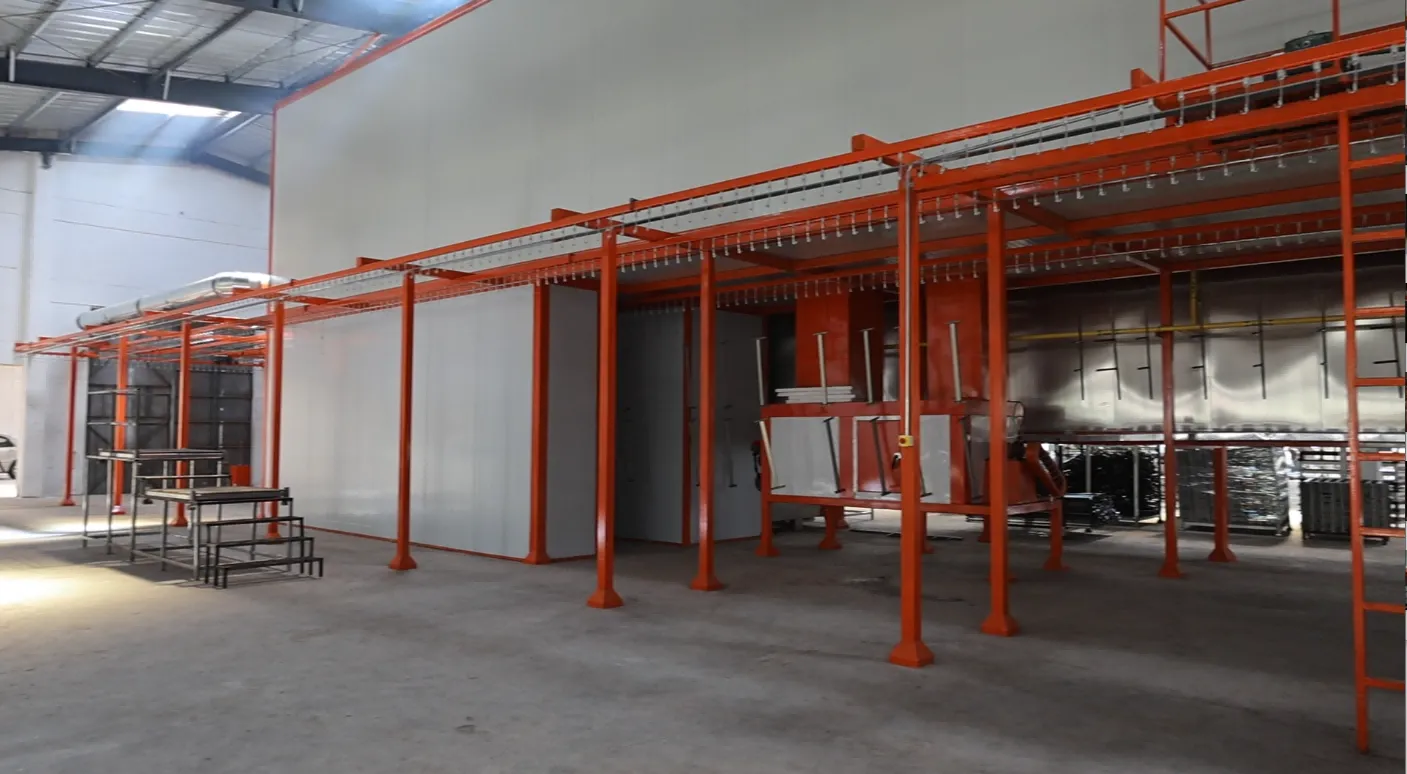
Typical curing profile: Parts enter oven at room temperature, reach target temperature (180-200°C) within 5-8 minutes,
hold for 10-15 minutes for full cross-linking, then exit to cooling zone.
Gas vs Diesel vs Electric Curing Ovens: Which Fuel Type for Your Factory?
The three main heating types have different costs, efficiency and suitability depending on your location and energy availability.
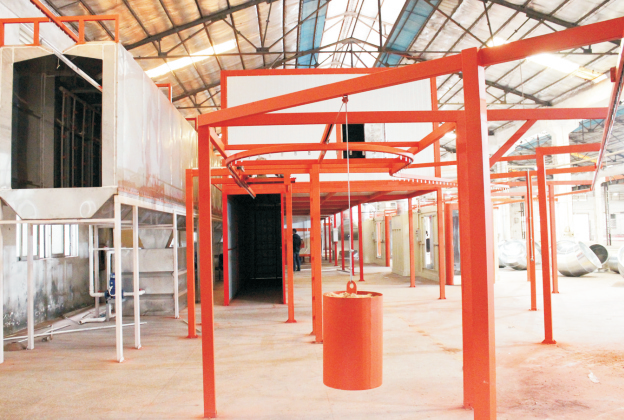
🔵 Gas (LPG/NG)
Most Common
✅ Advantages:
- • Lower operating cost in most regions
- • Fast heat-up time (30-45 min to 200°C)
- • High thermal efficiency (75-85%)
- • Suitable for large ovens and high throughput
- • Lower equipment cost than electric
❌ Disadvantages:
- • Requires gas supply infrastructure
- • More maintenance (burners, ignition, safety valves)
- • Exhaust gas handling required
Best for: Regions with low gas prices, high-volume production lines
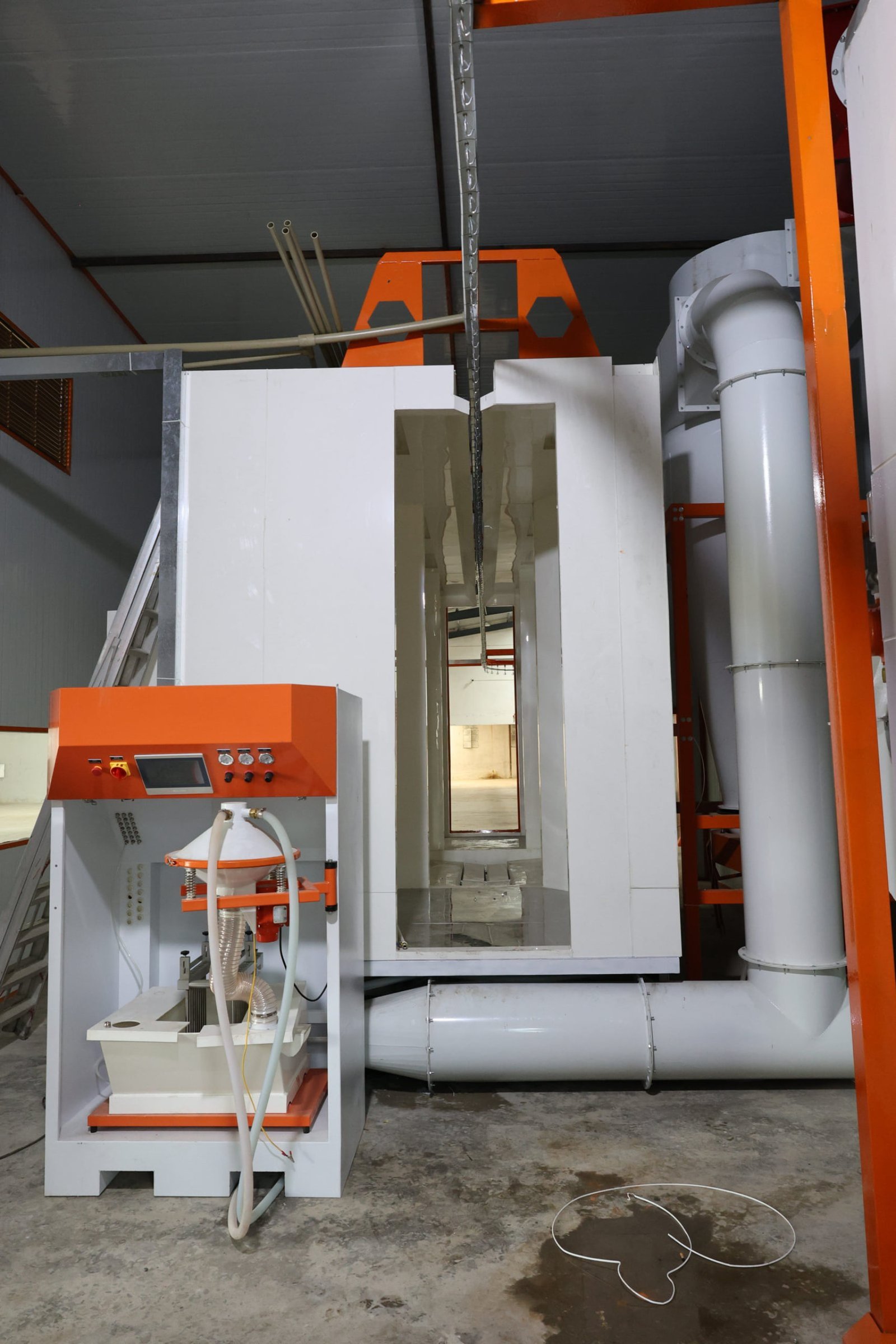
⚫ Diesel Oil
Flexible
✅ Advantages:
- • No need for gas pipeline infrastructure
- • Fuel easily available in most countries
- • Good for remote or rural factories
- • Moderate operating cost
- • High thermal output capacity
❌ Disadvantages:
- • Higher fuel cost than gas in most regions
- • Diesel storage tank and handling required
- • More emissions than gas
- • Regular burner maintenance needed
Best for: Areas without gas supply, factories with existing diesel infrastructure
⚡ Electric
Clean & Precise
✅ Advantages:
- • Clean operation (no exhaust, no emissions)
- • Precise temperature control (±1-2°C)
- • Minimal maintenance (no burners)
- • Compact design, fits tight spaces
- • Quiet operation
❌ Disadvantages:
- • High operating cost (unless cheap electricity)
- • Slower heat-up time (60-90 min to 200°C)
- • High electrical power requirement
- • Higher equipment cost
Best for: Small batch ovens, clean room environments, regions with low electricity cost
Quick Cost Comparison
| Factor | Gas | Diesel | Electric |
|---|---|---|---|
| Equipment cost | Medium | Medium | Higher |
| Operating cost | Low | Medium | High* |
| Maintenance cost | Medium | Medium-High | Low |
| Heat-up time | 30-45 min | 30-50 min | 60-90 min |
| Typical use | High volume | Flexible | Small batch |
* Electric operating cost varies greatly by region. In some countries with cheap hydroelectric power, electric can be competitive with gas.
Get Your Curing Oven Proposal
Share your part size, daily output and fuel preference. We'll design the right curing oven for your factory.
 English
  German
  Vietnamese
  French