

Main Factors Affecting cURL Too many subrequests by single Worker invocation. To configure this limit, refer to https://developers.cloudflare.com/workers/wrangler/configuration/#limits Coating: A Complete Guide to Quality and Process Stability
In sơn tĩnh điện[^1], achieving consistent surface quality and long-term durability depends on far more than just the spray gun. From my experience working with manufacturing facilities across cabinet production, outdoor furniture, and aluminum profiles, I've seen that most coating failures trace back not to the spraying process itself, but to overlooked factors in earlier and later stages. The real challenge isn't getting powder on a workpiece—it's getting it there uniformly, stably, and durably across every single piece.
Electrostatic powder coating quality depends on multiple interdependent factors across pre-treatment, spray parameters, powder properties, curing conditions, and equipment stability. The most common issues—poor adhesion, uneven coverage, surface defects like pinholes and orange peel, and inadequate corrosion resistance—typically stem from incomplete surface preparation, improper grounding, incorrect spray gun settings, contaminated compressed air, or unstable furnace temperature. Systematic control of these factors through proper surface treatment, stable electrostatic conditions, matched powder chemistry, precise thermal profiles, and clean air supply is essential to achieve consistent coating quality, long-term durability, and production efficiency.
This guide walks you through the critical factors that actually determine whether your dây chuyền sơn bột will deliver flawless results or recurring problems. I'm covering the factors we prioritize in real production settings—not just theory, but what we've learned from commissioning dozens of lines and troubleshooting issues on factory floors.
What Is Electrostatic Powder Coating and Why Do These Factors Matter?
Electrostatic powder coating works through a simple principle: charged powder particles are attracted to a grounded workpiece, stick to its surface, then fuse and harden in a furnace. The process itself is elegant. But the quality and consistency of that final coating depends on how well you control every stage leading up to and following the spray booth.
Unlike liquid paint coating, powder coating offers high transfer efficiency, excellent durability, and environmental benefits. But it's also less forgiving of mistakes. If your pre-treatment is sloppy, if your air is wet, if your oven temperature drifts by 10°C, or if your workpiece isn't properly grounded, the defects will show up clearly on the finished part. You can't hide poor powder coating behind a thick final layer.
That's why understanding the factors that affect coating quality isn't optional—it's the foundation of consistent production.
Pre-Treatment: The Foundation for Coating Quality and Adhesion
I consistently tell customers: pre-treatment failures are the #1 cause of coating defects we see in the field. Yet it's also the step most factories rush through or outsource without enough oversight.
How surface preparation affects adhesion and defect prevention
Before a single powder particle lands on your workpiece, the surface must be completely clean, free of oxides, and chemically receptive. If it isn't, adhesion fails—sometimes immediately, sometimes after months of environmental exposure.
Pre-treatment typically involves several stages: degreasing to remove oils and cutting fluids, rinsing to eliminate degreaser residue, acid or alkaline treatment to remove rust and oxides, followed by conversion coating[^2] (phosphating for steel, or chromium-free/titanium-based conversion for aluminum). Each stage serves a specific purpose.
Degreasing removes the oily film that blocks electrostatic adhesion and chemically bonds between the powder and substrate. Incomplete degreasing leaves oil-soluble contaminants that accelerate corrosion paths under the coating.
Rust removal and oxide stripping expose clean base metal. If oxidation remains, the coating sits on a layer that will eventually separate.
Conversion coating creates a micro-textured, chemically stable layer that the powder coating mechanically locks into and chemically bonds with. Without it, adhesion values drop sharply.
From our experience, customers often see poor adhesion results when they've skipped or shortened the conversion coating stage, or when conversion chemistry has degraded due to tank life. The adhesion test may pass initially—but corrosion resistance and durability suffer months later.
Common pre-treatment failures and their direct impact on final coating
Incomplete degreasing — Any residual oil, fingerprints, or cutting fluid creates a barrier. When powder tries to adhere, it sits on top of a slippery layer. Result: poor wet adhesion, edge adhesion failures, and eventual peeling under thermal or mechanical stress.
Insufficient rinsing — Degreaser carryover in rinse water leaves a film. Spray rinse nozzles often develop deadspots where water doesn't reach evenly. Result: spotty adhesion, pinholes, and adhesion loss in affected areas.
Inadequate or expired conversion coating — Conversion tanks lose chemistry over time, especially if water hardness isn't managed. Low conversion film weight (typically 400–800 mg/m² for steel) reduces adhesion and corrosion resistance. Result: adhesion issues in salt spray testing, premature rust breakthrough.
Water left on the surface before spraying — Even small amounts of residual moisture create nucleation sites for porosity and reduce powder's ability to adhere. The workpiece should be bone dry before entering the spray booth. Result: pinholes, voids, reduced adhesion.
From our commissioning work, we've found that pre-treatment is often the first place to investigate when adhesion complaints arise. Once we've confirmed pre-treatment is solid, most adhesion problems disappear even if spray parameters stay the same.
| Pre-Treatment Stage | Chức năng chính | Common Failure Mode | Impact on Coating |
|---|---|---|---|
| Tẩy dầu mỡ | Remove oils and cutting fluids | Incomplete, diluted, or cold tank | Poor wetting, adhesion loss |
| Rửa sạch | Remove degreaser residue | Insufficient spray coverage, stagnant zones | cURL Too many subrequests by single Worker invocation. To configure this limit, refer to https://developers.cloudflare.com/workers/wrangler/configuration/#limits |
| Rust/Oxide Removal | cURL Too many subrequests by single Worker invocation. To configure this limit, refer to https://developers.cloudflare.com/workers/wrangler/configuration/#limits | cURL Too many subrequests by single Worker invocation. To configure this limit, refer to https://developers.cloudflare.com/workers/wrangler/configuration/#limits | cURL Too many subrequests by single Worker invocation. To configure this limit, refer to https://developers.cloudflare.com/workers/wrangler/configuration/#limits |
| Lớp phủ Chuyển đổi | cURL Too many subrequests by single Worker invocation. To configure this limit, refer to https://developers.cloudflare.com/workers/wrangler/configuration/#limits | cURL Too many subrequests by single Worker invocation. To configure this limit, refer to https://developers.cloudflare.com/workers/wrangler/configuration/#limits | cURL Too many subrequests by single Worker invocation. To configure this limit, refer to https://developers.cloudflare.com/workers/wrangler/configuration/#limits |
| Sấy khô | cURL Too many subrequests by single Worker invocation. To configure this limit, refer to https://developers.cloudflare.com/workers/wrangler/configuration/#limits | cURL Too many subrequests by single Worker invocation. To configure this limit, refer to https://developers.cloudflare.com/workers/wrangler/configuration/#limits | cURL Too many subrequests by single Worker invocation. To configure this limit, refer to https://developers.cloudflare.com/workers/wrangler/configuration/#limits |
cURL Too many subrequests by single Worker invocation. To configure this limit, refer to https://developers.cloudflare.com/workers/wrangler/configuration/#limits
cURL Too many subrequests by single Worker invocation. To configure this limit, refer to https://developers.cloudflare.com/workers/wrangler/configuration/#limits.
cURL Too many subrequests by single Worker invocation. To configure this limit, refer to https://developers.cloudflare.com/workers/wrangler/configuration/#limits
cURL Too many subrequests by single Worker invocation. To configure this limit, refer to https://developers.cloudflare.com/workers/wrangler/configuration/#limits.
cURL Too many subrequests by single Worker invocation. To configure this limit, refer to https://developers.cloudflare.com/workers/wrangler/configuration/#limits.
cURL Too many subrequests by single Worker invocation. To configure this limit, refer to https://developers.cloudflare.com/workers/wrangler/configuration/#limits.
cURL Too many subrequests by single Worker invocation. To configure this limit, refer to https://developers.cloudflare.com/workers/wrangler/configuration/#limits.
cURL Too many subrequests by single Worker invocation. To configure this limit, refer to https://developers.cloudflare.com/workers/wrangler/configuration/#limits
cURL Too many subrequests by single Worker invocation. To configure this limit, refer to https://developers.cloudflare.com/workers/wrangler/configuration/#limits
- cURL Too many subrequests by single Worker invocation. To configure this limit, refer to https://developers.cloudflare.com/workers/wrangler/configuration/#limits
- cURL Too many subrequests by single Worker invocation. To configure this limit, refer to https://developers.cloudflare.com/workers/wrangler/configuration/#limits
- Edge overspray or accumulation on one side of the workpiece
- High scrap or rework rates concentrated on specific positions
Diagnostic steps:
First, measure electrical resistance between the workpiece contact point and ground. On a properly grounded system, resistance should be less than 1 megohm (many facilities aim for <100 kilohms). Use a calibrated megohmmeter[^3] at the spray station while the workpiece is in position.
Second, visually inspect contact points. Look for corrosion, paint, rust, or dust on the hanging point where the workpiece makes electrical contact. Clean contacts with a fine wire brush or sandpaper.
Third, check the jig or hanger itself. Some custom jigs are poorly designed and use non-conductive or high-resistance connections. We've seen cases where a jig had paint on the contact surface—paint is an insulator. Simple cleaning or redesign of the jig contact point solved weeks of "mysterious" quality issues.
Fourth, verify conveyor rails and hanger connections are electrically continuous. Gaps, corrosion, or loose bolts in the suspension system break ground continuity.
Corrections:
- Clean all contact points regularly—daily for high-production facilities.
- Use conductive coatings or materials on jigs that may corrode or oxidize.
- Install redundant grounding points on large or complex workpieces to ensure multiple paths.
- Add ground straps or bonding cables if the workpiece shape makes single-point grounding unreliable.
- Test resistance on a weekly basis; trending data often reveals early degradation before defects appear.
Spray Gun Parameters and Their Individual Effects
The spray gun is the final delivery point, and its parameters are the most immediately adjustable. But each parameter controls a different aspect of the coating, and misadjusting one often cascades into multiple defects.
Voltage, current, distance, and angle: What each parameter controls
Điện áp determines how strongly the electrostatic field attracts powder to the workpiece. Higher voltage = stronger attraction, but too much causes overspray and edge accumulation.
- Typical range: 60–90 kV
- Too low: Poor transfer efficiency, powder bounces back, incomplete coverage
- Too high: Excessive overspray, heavy edge buildup, reverse ionization (powder repelled in some zones)
Current reflects the charge density of the powder stream. It's related to voltage but independent—you can have high voltage with low current (sparse powder stream) or high voltage with high current (dense stream).
- Typical range: 10–20 μA
- Too low: Insufficient charge on each particle, poor adhesion
- Too high: Risk of air ionization (sparking), excessive overspray, powder migration
Khoảng cách (gun to workpiece) affects film thickness, uniformity, and edge behavior.
- Typical range: 150–300 mm
- Too close (<150 mm): Heavy edge accumulation, localized thickness, potential for hitting and cracking the powder film
- Too far (>300 mm): Transfer efficiency drops, powder disperses, incomplete coverage, film too thin
Góc determines how well the powder reaches internal corners, edges, and recesses. A perpendicular spray is efficient for flat surfaces but misses internal angles.
- Optimal: Typically 90° for flat surfaces, but angled 30–45° for complex geometry to reach internal cavities
cURL Too many subrequests by single Worker invocation. To configure this limit, refer to https://developers.cloudflare.com/workers/wrangler/configuration/#limits
| Lỗi | Nguyên nhân có khả năng | cURL Too many subrequests by single Worker invocation. To configure this limit, refer to https://developers.cloudflare.com/workers/wrangler/configuration/#limits | cURL Too many subrequests by single Worker invocation. To configure this limit, refer to https://developers.cloudflare.com/workers/wrangler/configuration/#limits |
|---|---|---|---|
| cURL Too many subrequests by single Worker invocation. To configure this limit, refer to https://developers.cloudflare.com/workers/wrangler/configuration/#limits | cURL Too many subrequests by single Worker invocation. To configure this limit, refer to https://developers.cloudflare.com/workers/wrangler/configuration/#limits | cURL Too many subrequests by single Worker invocation. To configure this limit, refer to https://developers.cloudflare.com/workers/wrangler/configuration/#limits | cURL Too many subrequests by single Worker invocation. To configure this limit, refer to https://developers.cloudflare.com/workers/wrangler/configuration/#limits |
| cURL Too many subrequests by single Worker invocation. To configure this limit, refer to https://developers.cloudflare.com/workers/wrangler/configuration/#limits | cURL Too many subrequests by single Worker invocation. To configure this limit, refer to https://developers.cloudflare.com/workers/wrangler/configuration/#limits | cURL Too many subrequests by single Worker invocation. To configure this limit, refer to https://developers.cloudflare.com/workers/wrangler/configuration/#limits | cURL Too many subrequests by single Worker invocation. To configure this limit, refer to https://developers.cloudflare.com/workers/wrangler/configuration/#limits |
| cURL Too many subrequests by single Worker invocation. To configure this limit, refer to https://developers.cloudflare.com/workers/wrangler/configuration/#limits | cURL Too many subrequests by single Worker invocation. To configure this limit, refer to https://developers.cloudflare.com/workers/wrangler/configuration/#limits | cURL Too many subrequests by single Worker invocation. To configure this limit, refer to https://developers.cloudflare.com/workers/wrangler/configuration/#limits | cURL Too many subrequests by single Worker invocation. To configure this limit, refer to https://developers.cloudflare.com/workers/wrangler/configuration/#limits |
| cURL Too many subrequests by single Worker invocation. To configure this limit, refer to https://developers.cloudflare.com/workers/wrangler/configuration/#limits | cURL Too many subrequests by single Worker invocation. To configure this limit, refer to https://developers.cloudflare.com/workers/wrangler/configuration/#limits | cURL Too many subrequests by single Worker invocation. To configure this limit, refer to https://developers.cloudflare.com/workers/wrangler/configuration/#limits | cURL Too many subrequests by single Worker invocation. To configure this limit, refer to https://developers.cloudflare.com/workers/wrangler/configuration/#limits |
| cURL Too many subrequests by single Worker invocation. To configure this limit, refer to https://developers.cloudflare.com/workers/wrangler/configuration/#limits | cURL Too many subrequests by single Worker invocation. To configure this limit, refer to https://developers.cloudflare.com/workers/wrangler/configuration/#limits | cURL Too many subrequests by single Worker invocation. To configure this limit, refer to https://developers.cloudflare.com/workers/wrangler/configuration/#limits | Check air humidity |
When tuning parameters, adjust one variable at a time and observe the effect. In our commissioning work, we typically start with distance (150–200 mm for most parts), then voltage (70–80 kV), then current (12–15 μA), then angle. Once the foundational parameters are set, fine-tune based on actual coating results on test panels.
Compressed Air Quality and System Design
Compressed air is often treated as an afterthought—but it's as critical as the powder itself. Air carries the powder from the tank to the gun, atomizes it, and keeps the spray station clean. If that air is wet or oily, none of those functions work properly.
Why air moisture, oil, and contamination cause coating failures
Moisture in compressed air creates several problems. First, it's carried into the powder tank where it's absorbed by the powder, causing the particles to clump and losing their ability to charge properly. Second, moisture at the spray gun nozzle causes powder caking and blockages. Third, if moisture reaches the workpiece surface just before spraying, it creates nucleation sites for porosity and pinholes.
Oil carryover from the air compressor coats the gun nozzle, powder tank walls, and can contaminate the workpiece surface. Oily surfaces prevent proper powder adhesion and electrostatic charging.
Ô nhiễm hạt bụi (dust, compressor debris) clogs powder pathways, destabilizes flow, and creates weak points in the coating.
From our field experience, the majority of spray gun stoppages and "mysterious" quality drops—adhesion loss, sudden pinhole outbreaks, erratic powder flow—trace back to air quality[^4] issues rather than the gun or powder itself.
Proper air treatment systems for stable production
An industrial compressed air system feeding a powder spray booth should include:
-
Hong khô bằng không khí — Remove moisture to a dew point of -20°C or lower. Refrigerated dryers are standard; desiccant dryers are better for critical applications.
-
Loại bỏ dầu — Coalescing filters (10 microns or better) remove oil mist and carryover. These must be replaced regularly per the compressor manufacturer's schedule.
-
Particle filtration — 5-micron or finer filters remove compressor wear debris and dust.
-
Điều chỉnh áp suất — Maintain consistent air pressure (typically 4–6 kg/cm²). Pressure fluctuations cause powder flow variations and inconsistent spray patterns.
-
Air storage — A suitably sized air tank acts as a buffer and allows moisture and oil droplets to settle before use.
In our standard configurations, we size the air treatment system to handle 10–15% more volume than peak demand. This ensures the system never becomes a bottleneck and provides a margin for wear over time.
We recommend weekly checks of the desiccant dryer indicator and monthly replacement of coalescent filter cartridges in high-demand facilities. Neglecting these maintenance steps is the fastest way to degrade coating quality without changing any other parameter.
Powder Coating Material Properties and Storage
Powder isn't just powder. Each batch has specific chemistry, flow characteristics, and moisture sensitivity. How you store and handle it directly affects whether those properties remain stable or degrade.
How powder moisture, batch mixing, and formulation affect final results
Powder moisture content is critical. Powder should be stored at <0.3% moisture by weight. Moisture-absorbed powder loses its electrostatic charge potential, becomes lumpy and difficult to flow, and can create surface defects like craters or poor wetting.
Batch consistency matters more than many realize. Mixing powder from different production batches, different suppliers, or different ages can introduce subtle chemistry variations. Colors may shift, gloss may vary, and even adhesion can become inconsistent. We've seen customers experience intermittent adhesion issues that disappeared once they stopped mixing batches.
Formulation compatibility — Some customer-supplied powders are optimized for different spray methods (electrostatic vs. HVLP vs. flame) or different curing temperatures[^5]. Using a powder outside its designed parameters often results in flow, adhesion, or cure issues.
Shelf life and degradation — Powder formulations can chemically degrade over time, especially if exposed to heat or humidity. Most quality powders have a 1–2 year shelf life from manufacture. Beyond that, adhesion and cure properties may shift.
Best practices for powder handling and shelf life management
- cURL Too many subrequests by single Worker invocation. To configure this limit, refer to https://developers.cloudflare.com/workers/wrangler/configuration/#limits. cURL Too many subrequests by single Worker invocation. To configure this limit, refer to https://developers.cloudflare.com/workers/wrangler/configuration/#limits.
- cURL Too many subrequests by single Worker invocation. To configure this limit, refer to https://developers.cloudflare.com/workers/wrangler/configuration/#limits cURL Too many subrequests by single Worker invocation. To configure this limit, refer to https://developers.cloudflare.com/workers/wrangler/configuration/#limits.
- cURL Too many subrequests by single Worker invocation. To configure this limit, refer to https://developers.cloudflare.com/workers/wrangler/configuration/#limits cURL Too many subrequests by single Worker invocation. To configure this limit, refer to https://developers.cloudflare.com/workers/wrangler/configuration/#limits.
- cURL Too many subrequests by single Worker invocation. To configure this limit, refer to https://developers.cloudflare.com/workers/wrangler/configuration/#limits cURL Too many subrequests by single Worker invocation. To configure this limit, refer to https://developers.cloudflare.com/workers/wrangler/configuration/#limits.
- cURL Too many subrequests by single Worker invocation. To configure this limit, refer to https://developers.cloudflare.com/workers/wrangler/configuration/#limits cURL Too many subrequests by single Worker invocation. To configure this limit, refer to https://developers.cloudflare.com/workers/wrangler/configuration/#limits.
- cURL Too many subrequests by single Worker invocation. To configure this limit, refer to https://developers.cloudflare.com/workers/wrangler/configuration/#limits. cURL Too many subrequests by single Worker invocation. To configure this limit, refer to https://developers.cloudflare.com/workers/wrangler/configuration/#limits.
cURL Too many subrequests by single Worker invocation. To configure this limit, refer to https://developers.cloudflare.com/workers/wrangler/configuration/#limits.
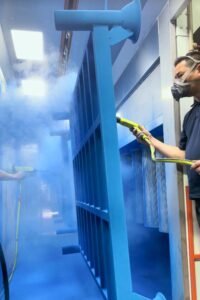
cURL Too many subrequests by single Worker invocation. To configure this limit, refer to https://developers.cloudflare.com/workers/wrangler/configuration/#limits
cURL Too many subrequests by single Worker invocation. To configure this limit, refer to https://developers.cloudflare.com/workers/wrangler/configuration/#limits.
cURL Too many subrequests by single Worker invocation. To configure this limit, refer to https://developers.cloudflare.com/workers/wrangler/configuration/#limits
cURL Too many subrequests by single Worker invocation. To configure this limit, refer to https://developers.cloudflare.com/workers/wrangler/configuration/#limits cURL Too many subrequests by single Worker invocation. To configure this limit, refer to https://developers.cloudflare.com/workers/wrangler/configuration/#limits cURL Too many subrequests by single Worker invocation. To configure this limit, refer to https://developers.cloudflare.com/workers/wrangler/configuration/#limits.
cURL Too many subrequests by single Worker invocation. To configure this limit, refer to https://developers.cloudflare.com/workers/wrangler/configuration/#limits.
cURL Too many subrequests by single Worker invocation. To configure this limit, refer to https://developers.cloudflare.com/workers/wrangler/configuration/#limits cURL Too many subrequests by single Worker invocation. To configure this limit, refer to https://developers.cloudflare.com/workers/wrangler/configuration/#limits.
How under-curing, over-curing, and heating curves impact coating performance
Under-curing:
- Soft, tacky coating that scratches easily
- Poor solvent resistance
- Low cross-link density, leading to poor adhesion and corrosion resistance over time
- Adhesion test failures
Over-curing:
- Color shift (yellowing or darkening, depending on powder chemistry)
- Loss of gloss (matte or flat appearance)
- Brittle coating prone to chipping under impact
- Reduced flexibility (coating may crack if the part flexes)
Improper thermal ramp:
- Rapid heating can trap moisture and volatiles under the powder surface, creating pinholes or bubbles
- Slow, inconsistent heating can lead to incomplete flow and orange-peel surface texture
- Cooling too rapidly can create internal stress
In practice, we design curing profiles based on the specific powder chemistry and workpiece mass. A 1 mm thick aluminum part cures differently than a 10 mm steel box. We use multi-zone ovens with separate temperature controls to ensure uniformity and typically monitor actual workpiece temperature (not just air temperature) via thermocouple[^6] or thermal imaging.
We recommend weekly oven temperature mapping—measuring temperature at multiple points inside the chamber while it's in steady state—to identify cold or hot zones. Anything more than ±5°C deviation should trigger investigation of heating elements, air circulation fans, or insulation integrity.

Production Line Design: Conveyor Speed, Workpiece Positioning, and Powder Recovery
The line isn't just a transport system; it's an integrated process controller. Conveyor speed, workpiece orientation, spacing, and powder recovery all directly affect the final coating.
How transport stability and workpiece arrangement affect film thickness uniformity
Tốc độ băng chuyền determines how long the workpiece spends in the spray zone and how much powder is deposited. If the line is jerky or variable, some parts spend more time under the spray than others, leading to thickness variation and scrap.
Workpiece spacing affects air circulation and powder availability. Crowded parts shield each other; gaps allow air to circulate and powder to reach surfaces. We typically recommend spacing that allows at least one part-width of clearance between workpieces.
Orientation and rotation — Some parts need to be rotated or flipped during spraying to ensure all surfaces receive adequate coverage. Internal cavities, back sides, and recessed areas are often missed if the workpiece doesn't rotate or reorient. Modern lines often use rotate-and-index systems to address this.
Jig design — The hanging jig or fixture affects how the workpiece is positioned relative to the spray guns. A poorly designed jig may shield critical surfaces or create dead zones. We've seen significant improvements from simply optimizing jig geometry.
The role of powder recovery systems in quality consistency and production efficiency
Powder that doesn't adhere to the workpiece must be captured and either recycled or safely disposed. The recovery system serves multiple purposes:
First, it captures unused powder for potential reuse, reducing material waste and cost. Second, it maintains air quality in the spray booth and facilities beyond, meeting environmental standards. Third, it prevents powder accumulation in the ductwork or on surfaces where it could become a fire hazard or operational problem.
Single-stage cyclone recovery — Separates coarse powder via centrifugal force. Simple but less efficient; recovery rates typically 85–95%.
Multi-stage cyclone + secondary filtration — Adds fine powder capture via filter cartridges. Recovery rates typically >95%. More effective but requires filter maintenance.
Considerations for reuse — Recovered powder can be re-sprayed, but typically only a percentage (often 50–70% of recovered material) is usable. The remainder may be contaminated, degraded, or from a different color batch. We recommend a mixing policy where recovered powder is blended with fresh material at ratios determined by your supplier—typically 20–30% recovered, 70–80% fresh.
cURL Too many subrequests by single Worker invocation. To configure this limit, refer to https://developers.cloudflare.com/workers/wrangler/configuration/#limits.
cURL Too many subrequests by single Worker invocation. To configure this limit, refer to https://developers.cloudflare.com/workers/wrangler/configuration/#limits
cURL Too many subrequests by single Worker invocation. To configure this limit, refer to https://developers.cloudflare.com/workers/wrangler/configuration/#limits.
cURL Too many subrequests by single Worker invocation. To configure this limit, refer to https://developers.cloudflare.com/workers/wrangler/configuration/#limits
Nhiệt độ: cURL Too many subrequests by single Worker invocation. To configure this limit, refer to https://developers.cloudflare.com/workers/wrangler/configuration/#limits.
cURL Too many subrequests by single Worker invocation. To configure this limit, refer to https://developers.cloudflare.com/workers/wrangler/configuration/#limits cURL Too many subrequests by single Worker invocation. To configure this limit, refer to https://developers.cloudflare.com/workers/wrangler/configuration/#limits.
cURL Too many subrequests by single Worker invocation. To configure this limit, refer to https://developers.cloudflare.com/workers/wrangler/configuration/#limits cURL Too many subrequests by single Worker invocation. To configure this limit, refer to https://developers.cloudflare.com/workers/wrangler/configuration/#limits.
cURL Too many subrequests by single Worker invocation. To configure this limit, refer to https://developers.cloudflare.com/workers/wrangler/configuration/#limits
| Lỗi | Ngoại hình | cURL Too many subrequests by single Worker invocation. To configure this limit, refer to https://developers.cloudflare.com/workers/wrangler/configuration/#limits | cURL Too many subrequests by single Worker invocation. To configure this limit, refer to https://developers.cloudflare.com/workers/wrangler/configuration/#limits |
|---|---|---|---|
| lỗ kim | cURL Too many subrequests by single Worker invocation. To configure this limit, refer to https://developers.cloudflare.com/workers/wrangler/configuration/#limits | cURL Too many subrequests by single Worker invocation. To configure this limit, refer to https://developers.cloudflare.com/workers/wrangler/configuration/#limits | cURL Too many subrequests by single Worker invocation. To configure this limit, refer to https://developers.cloudflare.com/workers/wrangler/configuration/#limits |
| vỏ cam | cURL Too many subrequests by single Worker invocation. To configure this limit, refer to https://developers.cloudflare.com/workers/wrangler/configuration/#limits | cURL Too many subrequests by single Worker invocation. To configure this limit, refer to https://developers.cloudflare.com/workers/wrangler/configuration/#limits | cURL Too many subrequests by single Worker invocation. To configure this limit, refer to https://developers.cloudflare.com/workers/wrangler/configuration/#limits |
| Độ bám dính kém | cURL Too many subrequests by single Worker invocation. To configure this limit, refer to https://developers.cloudflare.com/workers/wrangler/configuration/#limits | cURL Too many subrequests by single Worker invocation. To configure this limit, refer to https://developers.cloudflare.com/workers/wrangler/configuration/#limits | cURL Too many subrequests by single Worker invocation. To configure this limit, refer to https://developers.cloudflare.com/workers/wrangler/configuration/#limits |
| cURL Too many subrequests by single Worker invocation. To configure this limit, refer to https://developers.cloudflare.com/workers/wrangler/configuration/#limits | Bare metal or very thin coating visible | Spray angle misses area; workpiece not rotated; spray guns clogged | Check gun positioning and angle; verify workpiece rotation; clean gun nozzle |
| Color variance | One part lighter or darker than another | Different oven temperatures; different spray times; different powder batches | Map oven temperature; standardize spray sequence; use consistent powder batch |
| Edge overspray | Heavy accumulation on edges, thin in center | Spray distance too close; voltage too high; gun angle poor | Increase distance; reduce voltage; angle gun away from edges |
In practice, diagnosis follows a logical sequence: verify pre-treatment, check grounding, confirm air quality, measure oven temperature, then adjust spray parameters. Most defects resolve once these foundational factors are stable.
Key Factors at a Glance: Quick Reference Table
| Factor Category | Key Variables | Impact | Indicator of Problem |
|---|---|---|---|
| Pre-Treatment | Cleanliness, conversion coating, drying | Adhesion, corrosion resistance | Adhesion test failure; peeling after salt spray[^7] |
| Đấu đất | Contact resistance, jig design | Transfer efficiency, uniformity | Thin zones, bare spots, flying powder |
| Thông số phun | Voltage (60–90 kV), current (10–20 μA), distance (150–300 mm), angle | Film thickness, uniformity, edge behavior | Uneven coating, overspray, poor adhesion |
| Air Quality | Moisture, oil, particle contamination | Powder flow, coating defects | Pinholes, powder clumping, gun blockages |
| Powder Storage | Moisture (<0.3%), temperature (15–25°C), humidity (<40%) | Chargeability, flow, adhesion | Clumpy powder, variable results, adhesion scatter |
| Làm cứng | Temperature uniformity (±5°C), time, ramp rate | Hardness, gloss, adhesion | Soft coating, color shift, adhesion loss, undercure |
| Line Design | cURL Too many subrequests by single Worker invocation. To configure this limit, refer to https://developers.cloudflare.com/workers/wrangler/configuration/#limits | Độ đồng đều lớp phủ | cURL Too many subrequests by single Worker invocation. To configure this limit, refer to https://developers.cloudflare.com/workers/wrangler/configuration/#limits |
| Môi trường | cURL Too many subrequests by single Worker invocation. To configure this limit, refer to https://developers.cloudflare.com/workers/wrangler/configuration/#limits | cURL Too many subrequests by single Worker invocation. To configure this limit, refer to https://developers.cloudflare.com/workers/wrangler/configuration/#limits | cURL Too many subrequests by single Worker invocation. To configure this limit, refer to https://developers.cloudflare.com/workers/wrangler/configuration/#limits |
cURL Too many subrequests by single Worker invocation. To configure this limit, refer to https://developers.cloudflare.com/workers/wrangler/configuration/#limits
cURL Too many subrequests by single Worker invocation. To configure this limit, refer to https://developers.cloudflare.com/workers/wrangler/configuration/#limits
cURL Too many subrequests by single Worker invocation. To configure this limit, refer to https://developers.cloudflare.com/workers/wrangler/configuration/#limits
- cURL Too many subrequests by single Worker invocation. To configure this limit, refer to https://developers.cloudflare.com/workers/wrangler/configuration/#limits
- cURL Too many subrequests by single Worker invocation. To configure this limit, refer to https://developers.cloudflare.com/workers/wrangler/configuration/#limits
- cURL Too many subrequests by single Worker invocation. To configure this limit, refer to https://developers.cloudflare.com/workers/wrangler/configuration/#limits
- cURL Too many subrequests by single Worker invocation. To configure this limit, refer to https://developers.cloudflare.com/workers/wrangler/configuration/#limits
cURL Too many subrequests by single Worker invocation. To configure this limit, refer to https://developers.cloudflare.com/workers/wrangler/configuration/#limits
- cURL Too many subrequests by single Worker invocation. To configure this limit, refer to https://developers.cloudflare.com/workers/wrangler/configuration/#limits
- cURL Too many subrequests by single Worker invocation. To configure this limit, refer to https://developers.cloudflare.com/workers/wrangler/configuration/#limits
- cURL Too many subrequests by single Worker invocation. To configure this limit, refer to https://developers.cloudflare.com/workers/wrangler/configuration/#limits
- cURL Too many subrequests by single Worker invocation. To configure this limit, refer to https://developers.cloudflare.com/workers/wrangler/configuration/#limits
cURL Too many subrequests by single Worker invocation. To configure this limit, refer to https://developers.cloudflare.com/workers/wrangler/configuration/#limits
- cURL Too many subrequests by single Worker invocation. To configure this limit, refer to https://developers.cloudflare.com/workers/wrangler/configuration/#limits
- cURL Too many subrequests by single Worker invocation. To configure this limit, refer to https://developers.cloudflare.com/workers/wrangler/configuration/#limits
- cURL Too many subrequests by single Worker invocation. To configure this limit, refer to https://developers.cloudflare.com/workers/wrangler/configuration/#limits
- cURL Too many subrequests by single Worker invocation. To configure this limit, refer to https://developers.cloudflare.com/workers/wrangler/configuration/#limits
Kết luận
Electrostatic powder coating quality isn't determined by any single factor—it's the result of systematic control across the entire process chain. From my work commissioning coating lines across multiple industries and countries, I've found that the factories achieving consistently low scrap rates and strong customer satisfaction share one trait: they treat pre-treatment, grounding, air quality, and curing with the same rigor they give to spray gun settings.
If your current line is experiencing recurring defects, adhesion issues, or color inconsistency, start by auditing these foundational factors before investing in equipment upgrades. Most problems resolve with better process discipline and maintenance.
We're here to help. If you'd like to discuss your specific coating challenges or explore how a custom-configured line might address your production needs, reach out. Whether it's troubleshooting an existing system or planning a new installation, we bring field experience and a detailed understanding of what makes coating lines perform reliably over time.
Contact us via WhatsApp at +8618925987762 or email ketucoatingline@gmail.com to discuss your electrostatic powder coating requirements. We're happy to arrange a consultation or discuss how tailored process control can improve your coating consistency and reduce waste.
[^1]: A dry coating process where charged powder particles are deposited onto a grounded surface and then cured in an oven to form a durable finish.
[^2]: A chemical process that creates a protective layer on metal substrates to enhance adhesion and corrosion resistance before coating application.
[^3]: An electrical testing instrument used to measure very high electrical resistance values, essential for verifying grounding continuity in hệ thống sơn tĩnh điện dạng bộts.
[^4]: Encompasses moisture content, oil presence, and particulate contamination in compressed air systems affecting spray coating quality and equipment reliability.
[^5]: The process and conditions under which powder coating hardens and develops its final mechanical and chemical properties through heat application.
[^6]: A temperature-sensing device composed of two different metal wires joined at one end, used to measure temperature in ovens and thermal profiling applications.
[^7]: A standardized corrosion resistance test that exposes coated samples to salt spray environment to evaluate durability and coating protection quality.
 Vietnamese
  English
  German
  French