
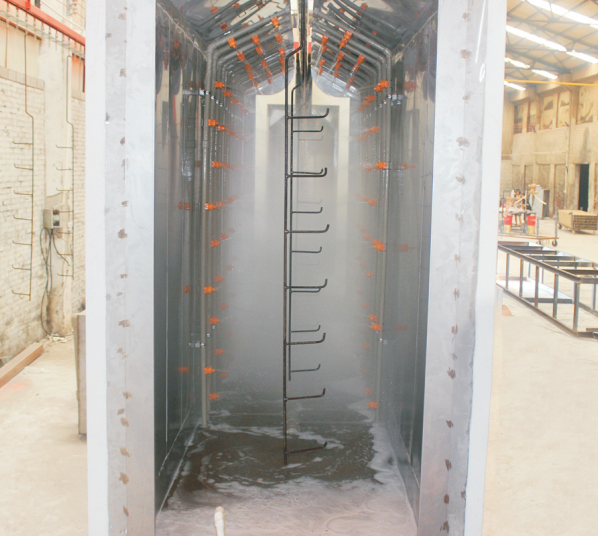
Scope of Painting Pretreatment: Definition, Process Range, and Impact on Coating Quality
When we talk about ligne de peinture en poudres, many people focus on the spray booth and curing oven. But here's what we've learned from years of actual production experience: pretreatment is where most coating failures actually originate. We've seen countless projects where clients invested heavily in advanced spray guns and precise temperature control, only to watch coatings fail in the field because pretreatment wasn't done properly. The gap between what looks like a simple cleaning step and what it really demands in manufacturing is often underestimated.
Painting pretreatment is the foundation stage of any powder coating process that removes surface contaminants—oil, rust, oxidation, dust, and salt deposits—while chemically preparing the workpiece surface for optimal powder adhesion and long-term corrosion resistance. It includes multiple sequential steps: degreasing, rust removal, surface rinsing, chemical conversion (phosphating or chromate-free treatment), final rinsing, and thorough drying. Pretreatment does not just clean; it creates a micro-environment on the metal surface that allows powder particles to bond securely and retain their protective properties for years.
From our experience working with cabinet manufacturers, furniture makers, and aluminum processors across different markets, we've found that the difference between a coating that lasts five years and one that lasts fifteen comes down to pretreatment execution. When it's overlooked, you see pinholing, blistering, adhesion loss, and early corrosion creeping back. When it's done right, the coating stays intact even in harsh outdoor or corrosive environments.
This article walks through what pretreatment scope actually covers, how it changes based on material type, what goes wrong when corners are cut, and how to assess whether your pretreatment system is truly doing its job.
What Is Painting Pretreatment and Why Does It Matter?
Pretreatment sits at the very beginning of the coating process—after the workpiece arrives but before any powder touches it. Its purpose is specific: to remove everything that would prevent powder from sticking, and to create an ideal surface state for adhesion and durability.
Most people think of pretreatment as just "washing the part." It's actually much more strategic. A bare metal surface is reactive, contaminated, and prone to oxidation. Direct powder application to such a surface would result in poor adhesion, faster corrosion creep, and coating failure. Pretreatment transforms that hostile surface into one that attracts and holds powder reliably.
From our standpoint working with cabinet, furniture, and profile manufacturers, pretreatment is non-negotiable. We've sat through too many troubleshooting calls where the root cause wasn't the spray gun or the cure temperature—it was incomplete degreasing or insufficient rinsing. This is why we always tell customers: spend the engineering effort on pretreatment first, then optimize spraying parameters. Doing it backwards is almost always wasted effort.
The scope of pretreatment covers several distinct operations that must work in sequence, each with its own chemistry and control requirements.
The Complete Process Range of Painting Pretreatment
Pretreatment is not a single action; it's a series of dependent steps. The exact sequence and intensity vary by material and contamination level, but the fundamental stages remain consistent.
Degreasing and Cleaning
Degreasing is the first critical step. It removes cutting oils, machining fluids, fingerprints, dust, and any organic film that would block chemical conversion. Without thorough degreasing, nothing else in pretreatment will work properly.
Degreasing can be done by alkaline chemical soak (the most common approach for batch or spray operations) or by spray washing under pressure. Alkaline degreasing emulsifies oils and suspends them in the solution, allowing them to be rinsed away. Temperature, chemical concentration, and contact time all matter. Cold alkaline degreasing takes longer; warm or hot alkaline solutions (typically 50–70°C) work faster but require more energy.
In spray-on systems (which we often integrate into conveyor lines), high-pressure alkaline spray removes both heavy oils and loose rust scale. In tank-based systems, parts soak in the degreaser, which is gentler but slower. Both approaches work; the choice depends on your workpiece size, production speed, and space constraints.
We've found that the temptation to skip or shorten degreasing is very common in shops trying to boost throughput. It's a false economy. One minute of incomplete degreasing creates hours of troubleshooting later when coatings fail. We always recommend verifying degreaser concentration and temperature weekly, and replacing it on schedule—old degreaser loses efficiency rapidly.
Rust Removal and Surface Preparation
For steel and iron workpieces, rust and oxide scale must be removed to expose clean base metal. Oxidized surfaces are porous and inconsistent; they don't form stable conversion coatings.
Rust removal can be accomplished by:
Acid pickling (acid dipping): Immersing parts in dilute sulfuric or hydrochloric acid dissolves rust and light oxide. It's fast, but requires careful chemical handling and disposal.
Spray acid washing: Some operations use spray-applied acid for localized or medium rust. Less chemical waste than full tank immersion, but doesn't work well for heavy rust.
Mechanical abrasion (sandblasting or shot blasting): More aggressive approach that removes both rust and old coating. Suitable for heavy rust, but adds cost and dust control complexity. Often used offline for heavily corroded parts.
For aluminum and stainless steel, acid pickling is typically less necessary (these materials oxidize differently), but light acid treatment or specialized etchants can still improve conversion coating adhesion.
We typically recommend a combination approach for carbon steel cabinet partscURL Too many subrequests by single Worker invocation. To configure this limit, refer to https://developers.cloudflare.com/workers/wrangler/configuration/#limits.
cURL Too many subrequests by single Worker invocation. To configure this limit, refer to https://developers.cloudflare.com/workers/wrangler/configuration/#limits
cURL Too many subrequests by single Worker invocation. To configure this limit, refer to https://developers.cloudflare.com/workers/wrangler/configuration/#limits.
Phosphatage cURL Too many subrequests by single Worker invocation. To configure this limit, refer to https://developers.cloudflare.com/workers/wrangler/configuration/#limits.
cURL Too many subrequests by single Worker invocation. To configure this limit, refer to https://developers.cloudflare.com/workers/wrangler/configuration/#limits cURL Too many subrequests by single Worker invocation. To configure this limit, refer to https://developers.cloudflare.com/workers/wrangler/configuration/#limits.
cURL Too many subrequests by single Worker invocation. To configure this limit, refer to https://developers.cloudflare.com/workers/wrangler/configuration/#limits aluminum, cURL Too many subrequests by single Worker invocation. To configure this limit, refer to https://developers.cloudflare.com/workers/wrangler/configuration/#limits.
cURL Too many subrequests by single Worker invocation. To configure this limit, refer to https://developers.cloudflare.com/workers/wrangler/configuration/#limits cURL Too many subrequests by single Worker invocation. To configure this limit, refer to https://developers.cloudflare.com/workers/wrangler/configuration/#limits, cURL Too many subrequests by single Worker invocation. To configure this limit, refer to https://developers.cloudflare.com/workers/wrangler/configuration/#limits.
cURL Too many subrequests by single Worker invocation. To configure this limit, refer to https://developers.cloudflare.com/workers/wrangler/configuration/#limits.

cURL Too many subrequests by single Worker invocation. To configure this limit, refer to https://developers.cloudflare.com/workers/wrangler/configuration/#limits
cURL Too many subrequests by single Worker invocation. To configure this limit, refer to https://developers.cloudflare.com/workers/wrangler/configuration/#limits.
cURL Too many subrequests by single Worker invocation. To configure this limit, refer to https://developers.cloudflare.com/workers/wrangler/configuration/#limits cURL Too many subrequests by single Worker invocation. To configure this limit, refer to https://developers.cloudflare.com/workers/wrangler/configuration/#limits. cURL Too many subrequests by single Worker invocation. To configure this limit, refer to https://developers.cloudflare.com/workers/wrangler/configuration/#limits cURL Too many subrequests by single Worker invocation. To configure this limit, refer to https://developers.cloudflare.com/workers/wrangler/configuration/#limits.
Séchage cURL Too many subrequests by single Worker invocation. To configure this limit, refer to https://developers.cloudflare.com/workers/wrangler/configuration/#limits cURL Too many subrequests by single Worker invocation. To configure this limit, refer to https://developers.cloudflare.com/workers/wrangler/configuration/#limits cURL Too many subrequests by single Worker invocation. To configure this limit, refer to https://developers.cloudflare.com/workers/wrangler/configuration/#limits cURL Too many subrequests by single Worker invocation. To configure this limit, refer to https://developers.cloudflare.com/workers/wrangler/configuration/#limits. cURL Too many subrequests by single Worker invocation. To configure this limit, refer to https://developers.cloudflare.com/workers/wrangler/configuration/#limits.
cURL Too many subrequests by single Worker invocation. To configure this limit, refer to https://developers.cloudflare.com/workers/wrangler/configuration/#limits rushing the drying stage is a primary source of coating defects. If a workpiece is even slightly damp when it reaches the spray booth, powder won't adhere uniformly, and the final coating will fail. This is non-negotiable.
How Pretreatment Scope Varies by Material Type
The complete pretreatment process we've outlined above is the "full protocol" suitable for carbon steel. However, different materials behave differently, so the emphasis and sequence can shift.
Steel and Iron Workpieces
Steel and iron are the most forgiving from a pretreatment perspective, but also the most vulnerable to corrosion, so they demand the most complete treatment.
Typical sequence for steel:
- Alkaline degreasing (1–2 minutes in spray or dip)
- Rinçage à l'eau
- Mild acid wash or spray acid (to remove rust and oxide)
- Rinçage à l'eau
- Zinc phosphate bath (2–5 minutes, typically 50–70°C)
- Deionized water rinse
- Final water rinse
- Hot-air drying (70–100°C, until visibly dry)
This is the "full eight-step" process we recommend and typically spec for cabinet and frame manufacturers. It addresses all contamination types and provides robust adhesion and corrosion barrier.
For heavily rusted or old stock, you might add a mechanical abrasion step (sandblasting) before chemical processing, but this is not routine for production parts.
Aluminium et alliages d'aluminium
Aluminum is softer and more reactive than steel. Acid pickling, if used at all, must be gentler. Conversion coatings for aluminum are typically zirconium-based, titanium-based, or chromate-free formulations rather than zinc phosphate.
Typical sequence for aluminum:
- Alkaline degreasing (same as steel)
- Rinçage à l'eau
- Optional: mild alkaline etch or surface etch (not strong acid)
- Rinçage à l'eau
- Zirconium or titanium conversion coating (or chromate-free alternative)
- Deionized water rinse
- Final water rinse
- Séchage
The key difference is that aluminum doesn't need aggressive rust removal (it doesn't rust like steel), but it does need an etch or conversion chemistry specifically formulated for aluminum. Using steel-specific phosphate on aluminum will not give optimal results.
We've worked with several aluminum profile and extrusion manufacturers. The most common issue we see is shops using the wrong conversion chemistry—either borrowed from a steel operation or oversimplified. It saves a little cost upfront but leads to adhesion and durability problems. Aluminum deserves its own chemistry.
Acier inoxydable
Stainless steel is the most chemically stable and least corrosion-prone, but also the hardest to achieve good adhesion on because its surface is naturally passive and unreactive.
Typical sequence for stainless:
- Dégraissage alcalin
- Rinçage à l'eau
- Optional: dilute acid etch or stainless-specific conversion treatment (mild)
- Rinçage à l'eau
- Optional: specialized stainless conversion coating (if strict adhesion is required)
- Deionized water rinse
- Final water rinse
- Séchage
For stainless, many shops skip the conversion coating altogether if the part will be used indoors or in non-corrosive environments. However, for outdoor stainless or high-adhesion requirements, we recommend at least a light conversion treatment.
The table below summarizes the key differences:
| Matériau | Dégraissage | Rust/Oxide Removal | Conversion Chemistry | Drying Requirement |
|---|---|---|---|---|
| Acier | Alkaline (standard) | Acid wash (recommended) | Zinc phosphate | High (100°C+) |
| Aluminium | Alkaline (standard) | Mild etch optional | cURL Too many subrequests by single Worker invocation. To configure this limit, refer to https://developers.cloudflare.com/workers/wrangler/configuration/#limits | cURL Too many subrequests by single Worker invocation. To configure this limit, refer to https://developers.cloudflare.com/workers/wrangler/configuration/#limits |
| Inox | Alkaline (standard) | cURL Too many subrequests by single Worker invocation. To configure this limit, refer to https://developers.cloudflare.com/workers/wrangler/configuration/#limits | cURL Too many subrequests by single Worker invocation. To configure this limit, refer to https://developers.cloudflare.com/workers/wrangler/configuration/#limits | cURL Too many subrequests by single Worker invocation. To configure this limit, refer to https://developers.cloudflare.com/workers/wrangler/configuration/#limits |
cURL Too many subrequests by single Worker invocation. To configure this limit, refer to https://developers.cloudflare.com/workers/wrangler/configuration/#limits
cURL Too many subrequests by single Worker invocation. To configure this limit, refer to https://developers.cloudflare.com/workers/wrangler/configuration/#limits.
Incomplete degreasing cURL Too many subrequests by single Worker invocation. To configure this limit, refer to https://developers.cloudflare.com/workers/wrangler/configuration/#limits.
Inadequate rinsing cURL Too many subrequests by single Worker invocation. To configure this limit, refer to https://developers.cloudflare.com/workers/wrangler/configuration/#limits.
cURL Too many subrequests by single Worker invocation. To configure this limit, refer to https://developers.cloudflare.com/workers/wrangler/configuration/#limits cURL Too many subrequests by single Worker invocation. To configure this limit, refer to https://developers.cloudflare.com/workers/wrangler/configuration/#limits.
cURL Too many subrequests by single Worker invocation. To configure this limit, refer to https://developers.cloudflare.com/workers/wrangler/configuration/#limits cURL Too many subrequests by single Worker invocation. To configure this limit, refer to https://developers.cloudflare.com/workers/wrangler/configuration/#limits.
cURL Too many subrequests by single Worker invocation. To configure this limit, refer to https://developers.cloudflare.com/workers/wrangler/configuration/#limits cURL Too many subrequests by single Worker invocation. To configure this limit, refer to https://developers.cloudflare.com/workers/wrangler/configuration/#limits.
cURL Too many subrequests by single Worker invocation. To configure this limit, refer to https://developers.cloudflare.com/workers/wrangler/configuration/#limits cURL Too many subrequests by single Worker invocation. To configure this limit, refer to https://developers.cloudflare.com/workers/wrangler/configuration/#limits. cURL Too many subrequests by single Worker invocation. To configure this limit, refer to https://developers.cloudflare.com/workers/wrangler/configuration/#limits.
cURL Too many subrequests by single Worker invocation. To configure this limit, refer to https://developers.cloudflare.com/workers/wrangler/configuration/#limits
cURL Too many subrequests by single Worker invocation. To configure this limit, refer to https://developers.cloudflare.com/workers/wrangler/configuration/#limits.
cURL Too many subrequests by single Worker invocation. To configure this limit, refer to https://developers.cloudflare.com/workers/wrangler/configuration/#limitscURL Too many subrequests by single Worker invocation. To configure this limit, refer to https://developers.cloudflare.com/workers/wrangler/configuration/#limits cURL Too many subrequests by single Worker invocation. To configure this limit, refer to https://developers.cloudflare.com/workers/wrangler/configuration/#limits (depending on part size and stage dwell times). If you're running a manual line where parts are hand-moved between tanks, add time for staging areas. If you're running a conveyor line, each tank or spray module occupies a dedicated zone.
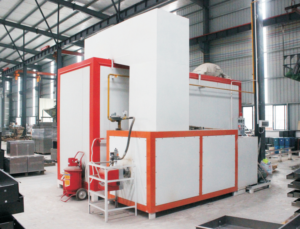
Équipement: Typical components include degreasing tanks, rinse tanks, phosphate bath tank, conversion bath tank, hot-air dryer, chemical metering and monitoring systems, waste treatment (if required), and water treatment (if deionized rinse is specified). Budget for heating elements, pump systems, spray nozzles, and control instrumentation.
Water and chemical consumption: Pretreatment is resource-intensive. A large cabinet workpiece might consume 10–20 liters of process water and 2–5 kg of chemical per cycle across all stages. Over a month or year, this adds up. Water treatment (deionization or reverse osmosis for final rinse) adds cost and maintenance.
Énergie: Heating degreasing and drying stages requires significant power. A spray-and-heat pretreatment line might draw 20–40 kW continuously, depending on ambient temperature and drying intensity.
Waste handling: Spent bath chemistry, contaminated rinse water, and phosphate sludge must be disposed of properly. Many jurisdictions regulate heavy metals (zinc, iron, phosphorus) in wastewater. Budget for treatment, testing, or third-party disposal.
From our cost experience, a fully integrated pretreatment system (degreasing, acid rinse, phosphate, rinse, drying) for a mid-size cabinet or profile line runs $50,000–150,000 USD depending on automation level and throughput. It's a significant capital commitment, but it's essential for reliable coating quality.
How to Assess and Verify Pretreatment Quality
You can't see pretreatment quality with your eyes once the powder is on. You have to verify it as the line runs.
Visual inspection of parts immediately after pretreatment is the first check. Parts should be visibly dry, uniformly colored, and free of water spots or residue. If you see white salt deposits or uneven coloration, chemistry or rinsing is failing.
pH testing of the final rinse water tells you if deionized rinsing is effective. Use pH paper or a meter. The rinse water should be neutral (pH 6–8). If it's acidic or basic, residual chemistry is still present.
Water conductivity (total dissolved solids) is more precise. Deionized rinse water should have conductivity below 20 µS/cm (microsiemens per centimeter). If it's higher, the rinse is not removing salts.
Adhesion testing on finished parts tells you the downstream impact. A cross-hatch adhesion test (ASTM D3359 or ISO 2409) is standard. If adhesion is poor even though spray and cure parameters are correct, pretreatment is the culprit.
Le test de brouillard salin (ASTM B117 or equivalent) is the ultimate verification for corrosion protection. Parts coated from a well-treated batch should show no red rust after 500–1000 hours of salt-fog exposure. Poor pretreatment results in rust creeping under the coating in days or weeks.
Batch documentation from your conversion bath supplier includes target concentration, bath pH, and bath life. Measure these regularly (weekly minimum for active lines). Keep a log. When performance drifts, you'll have data to diagnose it.

We always recommend establishing a pretreatment SOP (standard operating procedure) and a maintenance schedule. Check degreaser concentration daily. Check phosphate bath chemistry twice a week. Verify drying temperature and dwell time on every shift. Refresh rinse water regularly. It sounds tedious, but these small acts of discipline prevent field failures that cost far more.
Pretreatment Configuration for Small-Batch and Multi-Material Production
Not every operation is a high-volume, single-material line. Smaller shops and contract manufacturers often juggle different workpiece types—steel one day, aluminum the next, stainless steel occasionally—each with different pretreatment needs.
This creates a dilemma: do you run multiple specialized pretreatment lines, or do you make one flexible line work?
cURL Too many subrequests by single Worker invocation. To configure this limit, refer to https://developers.cloudflare.com/workers/wrangler/configuration/#limits, the best approach is to establish a core pretreatment sequence that works for your primary material (usually steel), and then modify it slightly for secondary materials. For instance:
- Core sequence (optimized for steel): alkaline degreasing → acid rinse → zinc phosphate → drying.
- For aluminum parts: skip or reduce acid rinse, use zirconium conversion instead of phosphate.
- cURL Too many subrequests by single Worker invocation. To configure this limit, refer to https://developers.cloudflare.com/workers/wrangler/configuration/#limitscURL Too many subrequests by single Worker invocation. To configure this limit, refer to https://developers.cloudflare.com/workers/wrangler/configuration/#limits.
cURL Too many subrequests by single Worker invocation. To configure this limit, refer to https://developers.cloudflare.com/workers/wrangler/configuration/#limits.
Changement de couleur rapide cURL Too many subrequests by single Worker invocation. To configure this limit, refer to https://developers.cloudflare.com/workers/wrangler/configuration/#limits cURL Too many subrequests by single Worker invocation. To configure this limit, refer to https://developers.cloudflare.com/workers/wrangler/configuration/#limits cURL Too many subrequests by single Worker invocation. To configure this limit, refer to https://developers.cloudflare.com/workers/wrangler/configuration/#limits.
cURL Too many subrequests by single Worker invocation. To configure this limit, refer to https://developers.cloudflare.com/workers/wrangler/configuration/#limits cURL Too many subrequests by single Worker invocation. To configure this limit, refer to https://developers.cloudflare.com/workers/wrangler/configuration/#limits cURL Too many subrequests by single Worker invocation. To configure this limit, refer to https://developers.cloudflare.com/workers/wrangler/configuration/#limits.
cURL Too many subrequests by single Worker invocation. To configure this limit, refer to https://developers.cloudflare.com/workers/wrangler/configuration/#limits cURL Too many subrequests by single Worker invocation. To configure this limit, refer to https://developers.cloudflare.com/workers/wrangler/configuration/#limitscURL Too many subrequests by single Worker invocation. To configure this limit, refer to https://developers.cloudflare.com/workers/wrangler/configuration/#limits.
cURL Too many subrequests by single Worker invocation. To configure this limit, refer to https://developers.cloudflare.com/workers/wrangler/configuration/#limits
cURL Too many subrequests by single Worker invocation. To configure this limit, refer to https://developers.cloudflare.com/workers/wrangler/configuration/#limits cURL Too many subrequests by single Worker invocation. To configure this limit, refer to https://developers.cloudflare.com/workers/wrangler/configuration/#limits. cURL Too many subrequests by single Worker invocation. To configure this limit, refer to https://developers.cloudflare.com/workers/wrangler/configuration/#limits.
cURL Too many subrequests by single Worker invocation. To configure this limit, refer to https://developers.cloudflare.com/workers/wrangler/configuration/#limits cURL Too many subrequests by single Worker invocation. To configure this limit, refer to https://developers.cloudflare.com/workers/wrangler/configuration/#limitscURL Too many subrequests by single Worker invocation. To configure this limit, refer to https://developers.cloudflare.com/workers/wrangler/configuration/#limits.
cURL Too many subrequests by single Worker invocation. To configure this limit, refer to https://developers.cloudflare.com/workers/wrangler/configuration/#limits cURL Too many subrequests by single Worker invocation. To configure this limit, refer to https://developers.cloudflare.com/workers/wrangler/configuration/#limits. cURL Too many subrequests by single Worker invocation. To configure this limit, refer to https://developers.cloudflare.com/workers/wrangler/configuration/#limits.
Pretreatment isn't glamorous. It doesn't impress people the way a new spray booth does. But it's where coating quality is genuinely made or broken. Respect it, invest in it, monitor it, and your coating line will deliver reliable, durable results for years to come.
Related Questions
Q: Can I skip pretreatment if I'm using a self-etching primer powder?
A: Not completely. Even self-etching powders work better on a clean, dry surface. We still recommend at minimum alkaline degreasing and thorough drying. Skipping pretreatment entirely will hurt adhesion and corrosion protection.
Q: How often should I replace my phosphate bath?
A: Depends on volume, but typically every 3–6 months for active lines. Track bath age and concentration. When you hit manufacturer limits on bath life or can't maintain target concentration with fresh chemistry alone, it's time to change.
Q: Is deionized water rinse really necessary?
A: For outdoor, high-corrosion, or high-adhesion applications, yes. It removes dissolved salts that would interfere with coating durability. For indoor, non-critical parts, standard tap-water rinse followed by thorough drying may be acceptable—but adhesion will be less consistent.
Q: Can I use the same pretreatment line for powder and liquid paint?
A: Mostly, but there are differences. Powder coating pretreatment emphasizes dryness; liquid paint pretreatment often tolerates slight dampness. If you're switching between the two, err on the side of extra drying.
Conclusion
Painting pretreatment is the first critical step in any powder coating process, and its scope—degreasing, rust removal, chemical conversion, rinsing, and drying—directly determines adhesion, corrosion resistance, and coating longevity.
From our experience with cabinet, furniture, and aluminum manufacturers around the world, we know that overlooking pretreatment leads to field failures that cost far more to remedy than getting pretreatment right the first time.
If you're planning a new coating line, upgrading an existing one, or troubleshooting adhesion or corrosion issues, pretreatment is where to start. Invest in the right chemistry, maintain it rigorously, and verify it regularly. The result will be coatings that last and customers who stay satisfied.
If you'd like to discuss your specific pretreatment challenges—whether it's material type, space constraints, throughput targets, or quality verification—we're here to help. Reach out to us at +8618925987762 or ketucoatingline@gmail.com. We'll walk through your requirements and recommend a practical solution tailored to your operation.
 French
  English
  German
  Vietnamese