
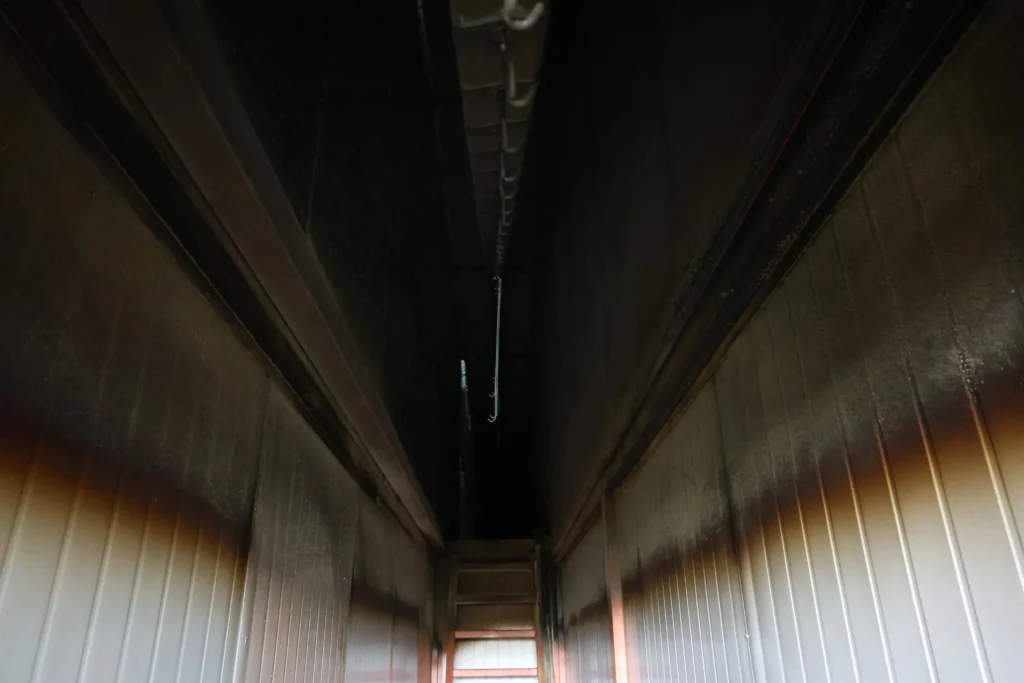
The Essential Guide to Équipement de revêtement en poudre in the Spray Booth
From our years of working with poudrage électrostatique[^1] production lines in cabinet manufacturing, furniture production, and aluminum profile industries, I've learned that spray booth performance rarely comes down to a single piece of equipment. Instead, it depends on how well every component—from the spray gun to the recovery system to the compressed air supply—works together. In this guide, I'll walk you through the critical equipment you need to understand, the environmental parameters that actually matter, and the practical decisions that determine whether your coating line delivers consistent quality.
Table des matières
- What Equipment Makes Up a Powder Coating Spray Booth?
- How Do the Core Spray Systems Work?
- Critical Environmental Parameters That Affect Coating Quality
- Matching Equipment Configuration to Your Product and Process
- Essential Maintenance and Component Replacement Schedule
- Selecting and Evaluating Powder Coating Equipment
- Troubleshooting Common Booth Problems and Optimization Tips
What Equipment Makes Up a Powder Coating Spray Booth?
A powder spray booth isn't just a box where spraying happens. It's an integrated system where every component serves a specific function, and none of them works in isolation. We typically see these major subsystems:
The spray booth enclosure itself is the first obvious piece—but many operators don't realize that the internal material, dimensions, lighting, and ventilation design directly impact coating quality and operator safety. We build spray rooms with rock wool[^2] insulation (typically 50mm), stainless steel work surfaces, and embedded ductwork designed to maintain consistent airflow.
The spray gun and electrode system is where the electrostatic magic happens. Powder particles pass through a charged electrode inside the gun, acquiring an electrical charge. The workpiece must be reliably grounded; otherwise, powder adhesion becomes unpredictable. We typically specify either corona-type guns[^3] (most common) or friction-type guns (useful for complex geometries where dead zones are a problem).
The powder supply system includes the hopper, flow-control pump, and feed lines. This is where consistency starts. If your supply system is unstable, you'll see fluctuations in coating thickness and coverage uniformity, no matter how well you tune the spray gun.
The powder recovery system consists of cyclone separators and secondary filter cabinets. This isn't just about environmental compliance or cost savings (though it's important for both). When recovery isn't efficient, you waste powder, your air quality suffers, and color changes become slower and messier.
The exhaust and filtration system works hand-in-hand with recovery. The booth must pull air at a consistent rate to maintain the right spray environment. Filter efficiency determines how much overspray exits to the atmosphere and how quickly your filters clog.
The control cabinet and electrical system manages spray pressure, airflow, fluid volume, and safety interlocks. We use variable frequency drives for fan speed control, programmable logic controllers for consistency, and emergency shutdown systems for safety.

How Do the Core Spray Systems Work?
The Spray Gun: Charge, Atomization, and Deposition
The spray gun is where electrostatic powder coating physics come together. Here's how it actually works on the factory floor:
Inside the gun, an electrode maintains a high voltage (typically 60–90 kV, depending on powder type and workpiece geometry). As powder particles exit the spray nozzle, they pass through this electrical field and acquire a negative charge. At the same moment, the workpiece sits on a grounded conveyor or fixture, creating a positive potential difference.
That voltage difference creates an invisible pulling force. Charged powder particles follow this electric field toward the grounded workpiece, even if the spray gun isn't aimed directly at them. This is one reason why electrostatic powder coating can coat inside corners and recessed areas that liquid spray can't reach as easily.
What I see go wrong most often: Operators tune the spray gun voltage and current hoping to fix an uneven coat, but the real problem is usually upstream—bad grounding, contaminated compressed air, or unstable powder supply. We've learned to check grounding first, air quality second, and only then adjust spray parameters.
Distance matters enormously. Too close to the workpiece and you risk:
- Powder packing (excessive buildup)
- Back-ionization (powder repelling away from the surface)
- Uneven film thickness at edges
cURL Too many subrequests by single Worker invocation. To configure this limit, refer to https://developers.cloudflare.com/workers/wrangler/configuration/#limits
- cURL Too many subrequests by single Worker invocation. To configure this limit, refer to https://developers.cloudflare.com/workers/wrangler/configuration/#limits
- cURL Too many subrequests by single Worker invocation. To configure this limit, refer to https://developers.cloudflare.com/workers/wrangler/configuration/#limits
- cURL Too many subrequests by single Worker invocation. To configure this limit, refer to https://developers.cloudflare.com/workers/wrangler/configuration/#limits
cURL Too many subrequests by single Worker invocation. To configure this limit, refer to https://developers.cloudflare.com/workers/wrangler/configuration/#limits.
cURL Too many subrequests by single Worker invocation. To configure this limit, refer to https://developers.cloudflare.com/workers/wrangler/configuration/#limits. cURL Too many subrequests by single Worker invocation. To configure this limit, refer to https://developers.cloudflare.com/workers/wrangler/configuration/#limits.
cURL Too many subrequests by single Worker invocation. To configure this limit, refer to https://developers.cloudflare.com/workers/wrangler/configuration/#limits
cURL Too many subrequests by single Worker invocation. To configure this limit, refer to https://developers.cloudflare.com/workers/wrangler/configuration/#limits.
cURL Too many subrequests by single Worker invocation. To configure this limit, refer to https://developers.cloudflare.com/workers/wrangler/configuration/#limits.
cURL Too many subrequests by single Worker invocation. To configure this limit, refer to https://developers.cloudflare.com/workers/wrangler/configuration/#limits
- cURL Too many subrequests by single Worker invocation. To configure this limit, refer to https://developers.cloudflare.com/workers/wrangler/configuration/#limits
- cURL Too many subrequests by single Worker invocation. To configure this limit, refer to https://developers.cloudflare.com/workers/wrangler/configuration/#limits
- cURL Too many subrequests by single Worker invocation. To configure this limit, refer to https://developers.cloudflare.com/workers/wrangler/configuration/#limits
- cURL Too many subrequests by single Worker invocation. To configure this limit, refer to https://developers.cloudflare.com/workers/wrangler/configuration/#limits
cURL Too many subrequests by single Worker invocation. To configure this limit, refer to https://developers.cloudflare.com/workers/wrangler/configuration/#limits.
cURL Too many subrequests by single Worker invocation. To configure this limit, refer to https://developers.cloudflare.com/workers/wrangler/configuration/#limits cURL Too many subrequests by single Worker invocation. To configure this limit, refer to https://developers.cloudflare.com/workers/wrangler/configuration/#limits.
cURL Too many subrequests by single Worker invocation. To configure this limit, refer to https://developers.cloudflare.com/workers/wrangler/configuration/#limits
cURL Too many subrequests by single Worker invocation. To configure this limit, refer to https://developers.cloudflare.com/workers/wrangler/configuration/#limits
- cURL Too many subrequests by single Worker invocation. To configure this limit, refer to https://developers.cloudflare.com/workers/wrangler/configuration/#limits
- cURL Too many subrequests by single Worker invocation. To configure this limit, refer to https://developers.cloudflare.com/workers/wrangler/configuration/#limits
- Money walks out the door (cost issue)
We typically use a large cyclone separator (sometimes called a big cyclone) as the primary collector. Centrifugal force[^4] separates powder particles from the airstream; powder falls into a collection hopper, and cleaned air flows onward. Separation efficiency in a well-designed cyclone can exceed 95%.
Behind that, we install a secondary filter cabinet with cartridge-type filters (usually φ320 × 600mm). These catch the ultrafine powder that the cyclone misses. We equip them with automated pulse-jet cleaning systems so filters don't clog and air resistance stays reasonable.
The maintenance reality: Cyclone efficiency drops if the lower cone gets clogged with powder. Secondary filters clog fast if the cyclone upstream isn't doing its job. If you're not backflushing filters on schedule, you're pushing more powder out the stack and working harder (higher electrical draw) to pull the same volume of air.
We've found that the single biggest improvement in recovery is keeping the collection bins empty. A full bin blocks airflow, reduces separation efficiency, and makes color changes take much longer because old powder dust is still circulating.
Critical Environmental Parameters That Affect Coating Quality
Most operators think spray booth performance is purely about the equipment. In reality, the environment inside and around the booth often determines success or failure.
Air Quality, Pressure, and Flow Rate
Compressed air is a major one. Powder coating doesn't use just a little air—it uses a lot. Compressed air supplies:
- Atomization (breaking the powder into a fine mist)
- Fluidization (keeping powder flowing freely in the hopper)
- Cleaning and purging (clearing lines between color changes)
- Filter cleaning (backflushing recovered powder off the cartridges)
If that air contains water or oil mist, you get:
- Powder clumping (water makes it sticky)
- Surface defects like crater-holes and pinhole porosity (oil causes these)
- Unstable spraying (compressed air with contaminants changes viscosity and flow)
I always recommend: A proper dry-air chain. Start with an air dryer rated for your flow rate. Add multi-stage filtration (coarse, medium, fine). Install a water trap and oil/water separator. Check the whole system monthly for leaks and condensation buildup. Many factories spend thousands on spray gun upgrades and overlook that their compressed air is delivering contamination every second.
Pressure stability also matters. If your compressor cycles wildly (high to low pressure swings), the spray gun voltage and atomization pressure fluctuate. This shows up as batch-to-batch thickness variation. We aim for a pressure regulator that holds ±0.5 kg/cm² tolerance, and we verify it with a gauge.
Air volume (CFM or m³/h) must match booth design. If you're not pulling enough air out of the booth, powder accumulates, the spray environment becomes hazier, and overspray deflects back onto newly sprayed parts. If you're pulling too much air, you create turbulence that can cause uneven coating. We size exhaust fans so that air velocity across the spray area is in the 0.3–0.5 m/s range—enough to clear overspray without creating chaotic airflow.
Temperature and Humidity Control
Humidity is powder coating's sneaky enemy. Powder is hygroscopic[^5] (it absorbs moisture from the air), and even a small amount of moisture in the powder:
- Reduces electrostatic charging ability
- Makes powder spray inconsistently
- cURL Too many subrequests by single Worker invocation. To configure this limit, refer to https://developers.cloudflare.com/workers/wrangler/configuration/#limits
cURL Too many subrequests by single Worker invocation. To configure this limit, refer to https://developers.cloudflare.com/workers/wrangler/configuration/#limits. cURL Too many subrequests by single Worker invocation. To configure this limit, refer to https://developers.cloudflare.com/workers/wrangler/configuration/#limits.
cURL Too many subrequests by single Worker invocation. To configure this limit, refer to https://developers.cloudflare.com/workers/wrangler/configuration/#limits cURL Too many subrequests by single Worker invocation. To configure this limit, refer to https://developers.cloudflare.com/workers/wrangler/configuration/#limits.
cURL Too many subrequests by single Worker invocation. To configure this limit, refer to https://developers.cloudflare.com/workers/wrangler/configuration/#limits cURL Too many subrequests by single Worker invocation. To configure this limit, refer to https://developers.cloudflare.com/workers/wrangler/configuration/#limits.
cURL Too many subrequests by single Worker invocation. To configure this limit, refer to https://developers.cloudflare.com/workers/wrangler/configuration/#limits
cURL Too many subrequests by single Worker invocation. To configure this limit, refer to https://developers.cloudflare.com/workers/wrangler/configuration/#limits
cURL Too many subrequests by single Worker invocation. To configure this limit, refer to https://developers.cloudflare.com/workers/wrangler/configuration/#limits cURL Too many subrequests by single Worker invocation. To configure this limit, refer to https://developers.cloudflare.com/workers/wrangler/configuration/#limits cURL Too many subrequests by single Worker invocation. To configure this limit, refer to https://developers.cloudflare.com/workers/wrangler/configuration/#limitscURL Too many subrequests by single Worker invocation. To configure this limit, refer to https://developers.cloudflare.com/workers/wrangler/configuration/#limits.
cURL Too many subrequests by single Worker invocation. To configure this limit, refer to https://developers.cloudflare.com/workers/wrangler/configuration/#limits cURL Too many subrequests by single Worker invocation. To configure this limit, refer to https://developers.cloudflare.com/workers/wrangler/configuration/#limits.
cURL Too many subrequests by single Worker invocation. To configure this limit, refer to https://developers.cloudflare.com/workers/wrangler/configuration/#limits cURL Too many subrequests by single Worker invocation. To configure this limit, refer to https://developers.cloudflare.com/workers/wrangler/configuration/#limits.
Nous recommandons : cURL Too many subrequests by single Worker invocation. To configure this limit, refer to https://developers.cloudflare.com/workers/wrangler/configuration/#limits.
Matching Equipment Configuration to Your Product and Process
cURL Too many subrequests by single Worker invocation. To configure this limit, refer to https://developers.cloudflare.com/workers/wrangler/configuration/#limits.
cURL Too many subrequests by single Worker invocation. To configure this limit, refer to https://developers.cloudflare.com/workers/wrangler/configuration/#limits
cURL Too many subrequests by single Worker invocation. To configure this limit, refer to https://developers.cloudflare.com/workers/wrangler/configuration/#limits
cURL Too many subrequests by single Worker invocation. To configure this limit, refer to https://developers.cloudflare.com/workers/wrangler/configuration/#limits A flat cabinet side is straightforward. A complex parts cart with internal shelves, corners, and thin legs is not. Complex geometry means:
- Dead zones where electrostatic field doesn't penetrate well (Faraday cage effect)
- Edges and corners that accumulate excess powder
- Internal cavities that are hard to reach
Our response: Use lower spray voltage (reduces overspray but still coats recesses), add multiple spray passes, adjust spray gun angle, or use friction-type guns for difficult areas.
What is the production volume and takt time (cycle time)? If you need 50 parts per day, a small manual spray booth might work. If you need 500 parts per day, you need multiple spray stations, conveyor-based transport, and possibly automatic spray systems.
What are the coating uniformity requirements? Cabinet manufacturers typically want ±25 microns film thickness and minimal color variation. Outdoor furniture might accept ±40 microns but demand superior gloss and color consistency. Aluminum extrusion might have tight thickness specs (±10 microns) because the end application requires it.
Manual vs. Automatic Booth Setup: When to Choose Each
Manual spray room (operator with spray gun):
- Advantage: Very flexible. Can adjust technique for different part geometries. Lower capital cost.
- Idéal pour : Small batches, complex parts, frequent color changes, low volume (< 100 parts/shift).
- Disadvantage: Inconsistent film thickness, higher operator fatigue, slower cycle time, harder to meet tight specs.
Semi-automatic setup (fixed spray guns, parts on moving conveyor):
- Advantage: More consistent coating, higher speed, easier to replicate settings.
- Idéal pour : Medium volume (100–500 parts/shift), moderate complexity, 2–4 color groups.
- Disadvantage: Less flexible, longer setup time between product changes, higher cost.
Ligne entièrement automatique (robotics or reciprocating guns):
- Advantage: Maximum consistency, highest speed, can hold very tight specs.
- Idéal pour : High volume (500+ parts/shift), simple to moderate complexity, few color changes.
- Disadvantage: Very high capital cost, complex programming, less flexible, requires substantial planning.
I recommend: Start with what your actual volume demands, not what you hope it will be. We've installed automatic lines for customers who projected 1,000 parts/day and ended up running 300. The equipment sits idle, and the ROI never materializes. Conversely, if you try to manual-spray 500 parts per shift, quality suffers and labor costs climb.
Sizing the Right Number of Spray Stations and Cycle Time
This is where math and reality intersect.
Cycle time calculation:
If each part needs 2 minutes in the spray booth, and you have one spray station, you can do 30 parts per hour (assuming no changeover or downtime). If you need 50 parts per hour, you need at least two spray stations running in parallel, or one station with 1.2-minute cycle time.
But realistic constraints:
- Manual spraying typically needs 2–5 minutes per part (depending on complexity)
- Automatic spray takes 1–3 minutes per part (depending on gun speed and geometry)
- Color changes add 10–30 minutes per setup (drain, clean, refill, purge)
- Maintenance and downtime usually consume 10–20% of available time
Notre approche : We calculate required stations as: cURL Too many subrequests by single Worker invocation. To configure this limit, refer to https://developers.cloudflare.com/workers/wrangler/configuration/#limits.
cURL Too many subrequests by single Worker invocation. To configure this limit, refer to https://developers.cloudflare.com/workers/wrangler/configuration/#limits.
cURL Too many subrequests by single Worker invocation. To configure this limit, refer to https://developers.cloudflare.com/workers/wrangler/configuration/#limits cURL Too many subrequests by single Worker invocation. To configure this limit, refer to https://developers.cloudflare.com/workers/wrangler/configuration/#limits.
Essential Maintenance and Component Replacement Schedule
cURL Too many subrequests by single Worker invocation. To configure this limit, refer to https://developers.cloudflare.com/workers/wrangler/configuration/#limits
cURL Too many subrequests by single Worker invocation. To configure this limit, refer to https://developers.cloudflare.com/workers/wrangler/configuration/#limits
| Composant | cURL Too many subrequests by single Worker invocation. To configure this limit, refer to https://developers.cloudflare.com/workers/wrangler/configuration/#limits | cURL Too many subrequests by single Worker invocation. To configure this limit, refer to https://developers.cloudflare.com/workers/wrangler/configuration/#limits |
|---|---|---|
| cURL Too many subrequests by single Worker invocation. To configure this limit, refer to https://developers.cloudflare.com/workers/wrangler/configuration/#limits | cURL Too many subrequests by single Worker invocation. To configure this limit, refer to https://developers.cloudflare.com/workers/wrangler/configuration/#limits | cURL Too many subrequests by single Worker invocation. To configure this limit, refer to https://developers.cloudflare.com/workers/wrangler/configuration/#limits |
| cURL Too many subrequests by single Worker invocation. To configure this limit, refer to https://developers.cloudflare.com/workers/wrangler/configuration/#limits | cURL Too many subrequests by single Worker invocation. To configure this limit, refer to https://developers.cloudflare.com/workers/wrangler/configuration/#limits | cURL Too many subrequests by single Worker invocation. To configure this limit, refer to https://developers.cloudflare.com/workers/wrangler/configuration/#limits |
| cURL Too many subrequests by single Worker invocation. To configure this limit, refer to https://developers.cloudflare.com/workers/wrangler/configuration/#limits | cURL Too many subrequests by single Worker invocation. To configure this limit, refer to https://developers.cloudflare.com/workers/wrangler/configuration/#limits | cURL Too many subrequests by single Worker invocation. To configure this limit, refer to https://developers.cloudflare.com/workers/wrangler/configuration/#limits |
| cURL Too many subrequests by single Worker invocation. To configure this limit, refer to https://developers.cloudflare.com/workers/wrangler/configuration/#limits | 6–12 mois | cURL Too many subrequests by single Worker invocation. To configure this limit, refer to https://developers.cloudflare.com/workers/wrangler/configuration/#limits |
| cURL Too many subrequests by single Worker invocation. To configure this limit, refer to https://developers.cloudflare.com/workers/wrangler/configuration/#limits | cURL Too many subrequests by single Worker invocation. To configure this limit, refer to https://developers.cloudflare.com/workers/wrangler/configuration/#limits | cURL Too many subrequests by single Worker invocation. To configure this limit, refer to https://developers.cloudflare.com/workers/wrangler/configuration/#limits |
| Powder pump seal | 12–24 months | Friction, powder abrasion |
| Conveyor chain / lubricant | Check monthly; adjust/replace as needed | Slack, corrosion, missing lubrication |
We've learned: Replacing these on schedule costs far less than waiting for failure. A clogged filter can reduce spray booth airflow by 30%, which shows up as poor coverage and higher defect rates. An eroded spray gun electrode creates unstable charging, leading to uneven coating.
Common Defects and Their Root Causes (Powder Quality, Pre-Treatment, Air Supply)
I've found that when a customer calls saying "our coating looks bad," the spray booth is rarely the primary cause. The real culprit is usually:
Pre-treatment failure:
- Workpiece surfaces still have oil, rust, or moisture
- Phosphate or conversion coat was incomplete
- Time lag between pre-treatment and spraying (oxidation or dust settles back on surface)
- Résultat : Poor adhesion, pinhole porosity, loss of gloss
Compressed air contamination:
- Air contains water or oil mist
- Résultat : Pinhole craters, crawling, rough surface, unstable spray pattern
Powder condition:
- Moisture absorption (humidity in storage)
- Powder age (resin loses reactivity over time)
- Batch mixing (old powder mixed with new—different charge characteristics)
- Résultat : Poor coverage, uneven color, reduced gloss, slower cure
Spray gun parameters:
- Voltage too low (poor coverage, especially in recesses)
- Voltage too high (edge accumulation, powder repulsion)
- Distance wrong (overspray or underspray)
- Atomization pressure inconsistent
- Résultat : Uneven thickness, edge defects, poor quality
Our troubleshooting logic: We start by validating pre-treatment, then air quality, then powder condition, and only then adjust spray parameters. This order saves time.
Preventive Maintenance Best Practices for Long-Term Stability
Hebdomadaire :
- Inspect spray gun electrode and nozzle (visual check for debris or damage)
- Verify compressed air pressure and check for water in traps
- Confirm powder supply hopper is filling correctly and hopper air is flowing
Mensuel :
- Clean spray room interior (remove powder dust and accumulation)
- Check filter pressure differential (if it's too high, backflush or replace cartridges)
- Inspect cyclone cone for blockages
- cURL Too many subrequests by single Worker invocation. To configure this limit, refer to https://developers.cloudflare.com/workers/wrangler/configuration/#limits
Trimestriellement :
- cURL Too many subrequests by single Worker invocation. To configure this limit, refer to https://developers.cloudflare.com/workers/wrangler/configuration/#limits
- cURL Too many subrequests by single Worker invocation. To configure this limit, refer to https://developers.cloudflare.com/workers/wrangler/configuration/#limits
- cURL Too many subrequests by single Worker invocation. To configure this limit, refer to https://developers.cloudflare.com/workers/wrangler/configuration/#limits
- cURL Too many subrequests by single Worker invocation. To configure this limit, refer to https://developers.cloudflare.com/workers/wrangler/configuration/#limits
Annuellement :
- cURL Too many subrequests by single Worker invocation. To configure this limit, refer to https://developers.cloudflare.com/workers/wrangler/configuration/#limits
- cURL Too many subrequests by single Worker invocation. To configure this limit, refer to https://developers.cloudflare.com/workers/wrangler/configuration/#limits
- cURL Too many subrequests by single Worker invocation. To configure this limit, refer to https://developers.cloudflare.com/workers/wrangler/configuration/#limits
- cURL Too many subrequests by single Worker invocation. To configure this limit, refer to https://developers.cloudflare.com/workers/wrangler/configuration/#limits
- cURL Too many subrequests by single Worker invocation. To configure this limit, refer to https://developers.cloudflare.com/workers/wrangler/configuration/#limits
cURL Too many subrequests by single Worker invocation. To configure this limit, refer to https://developers.cloudflare.com/workers/wrangler/configuration/#limits cURL Too many subrequests by single Worker invocation. To configure this limit, refer to https://developers.cloudflare.com/workers/wrangler/configuration/#limits.
Selecting and Evaluating Powder Coating Equipment
cURL Too many subrequests by single Worker invocation. To configure this limit, refer to https://developers.cloudflare.com/workers/wrangler/configuration/#limits.
cURL Too many subrequests by single Worker invocation. To configure this limit, refer to https://developers.cloudflare.com/workers/wrangler/configuration/#limits
cURL Too many subrequests by single Worker invocation. To configure this limit, refer to https://developers.cloudflare.com/workers/wrangler/configuration/#limits cURL Too many subrequests by single Worker invocation. To configure this limit, refer to https://developers.cloudflare.com/workers/wrangler/configuration/#limits
- cURL Too many subrequests by single Worker invocation. To configure this limit, refer to https://developers.cloudflare.com/workers/wrangler/configuration/#limits
- cURL Too many subrequests by single Worker invocation. To configure this limit, refer to https://developers.cloudflare.com/workers/wrangler/configuration/#limits
- cURL Too many subrequests by single Worker invocation. To configure this limit, refer to https://developers.cloudflare.com/workers/wrangler/configuration/#limits
- cURL Too many subrequests by single Worker invocation. To configure this limit, refer to https://developers.cloudflare.com/workers/wrangler/configuration/#limits
cURL Too many subrequests by single Worker invocation. To configure this limit, refer to https://developers.cloudflare.com/workers/wrangler/configuration/#limits
cURL Too many subrequests by single Worker invocation. To configure this limit, refer to https://developers.cloudflare.com/workers/wrangler/configuration/#limits Can this setup deliver your target thickness (±tolerance) consistently? Ask the vendor for test data on parts similar to yours, not just theoretical numbers.
Booth dimensions and air handling: Is the spray room sized for your parts? Does the exhaust fan pull the right volume for your booth size? We've seen undersized fans that can't clear overspray, causing powder to circulate back onto freshly coated parts.
Spray gun count and positioning: How many guns does the setup include? Are they arranged for your part geometry? A booth with three spray guns positioned for flat parts will do poorly on complex assemblies.
Recovery system efficiency: What's the actual powder recovery rate? Reputable vendors will provide tested data. 90% recovery is typical; 95%+ is excellent. Below 90% means you're wasting powder and potentially failing environmental compliance.
Control system capability: Can you adjust spray voltage, powder flow, and air pressure independently? Or are they locked together? Flexibility matters for accommodating different products or powder types.
Maintenance accessibility: Can you reach the electrode, nozzle, and filters without disassembling half the booth? Poor access means longer maintenance times and more downtime.
Domestic vs. Imported Equipment: Practical Differences
I work with both locally-manufactured and imported spray booth systems. Here are real differences I've seen:
Domestic (e.g., Chinese manufacturers) spray booths typically offer:
- Advantage: Lower capital cost, faster delivery, local technical support easier to arrange, customization more straightforward.
- Disadvantage: Quality control can be variable, spare parts availability depends on the specific manufacturer, documentation might be in Chinese or poorly translated.
Imported (e.g., European or Japanese brands) spray booths typically offer:
- Advantage: Consistent quality, robust construction, detailed documentation, established global parts networks, proven long-term reliability.
- Disadvantage: Significantly higher cost (30–50% premium), longer lead times, spare parts are expensive, customization takes longer.
Ma recommandation : Don't choose based on origin alone. Choose based on:
- Can you inspect the booth before paying? (Visit factory or review video)
- Is there a local technical contact if something breaks?
- Can you get spare parts quickly and at reasonable cost?
- Does the warranty cover both parts and labor?
- Will the vendor provide training for your operators?
We've had excellent outcomes with both domestic and imported systems when the vendor provides proper support. We've had failures with both when they don't.
Pre-Purchase Checklist (Voltage Standards, Compressed Air Supply, Environmental Requirements)
Before signing a purchase order, verify these practical details:
Electrical compatibility:
- Does the spray booth motor and controls match your facility voltage (380V 3-phase? 220V single-phase?)
- What is the total power draw? Does your electrical panel have capacity?
- Does the booth control cabinet match your country's electrical safety standards (CE marking[^7] for Europe, UL for North America, etc.)?
cURL Too many subrequests by single Worker invocation. To configure this limit, refer to https://developers.cloudflare.com/workers/wrangler/configuration/#limits
- What is the required pressure (normally 4–8 kg/cm²)?
- What is the required flow rate (m³/h or CFM)? Can your compressor supply it?
- Does your existing air infrastructure include adequate drying and filtering?
- If not, add the cost of new compressor capacity, dryer, and filters to your budget.
cURL Too many subrequests by single Worker invocation. To configure this limit, refer to https://developers.cloudflare.com/workers/wrangler/configuration/#limits
- cURL Too many subrequests by single Worker invocation. To configure this limit, refer to https://developers.cloudflare.com/workers/wrangler/configuration/#limits
- cURL Too many subrequests by single Worker invocation. To configure this limit, refer to https://developers.cloudflare.com/workers/wrangler/configuration/#limits
- cURL Too many subrequests by single Worker invocation. To configure this limit, refer to https://developers.cloudflare.com/workers/wrangler/configuration/#limits.
- cURL Too many subrequests by single Worker invocation. To configure this limit, refer to https://developers.cloudflare.com/workers/wrangler/configuration/#limits
cURL Too many subrequests by single Worker invocation. To configure this limit, refer to https://developers.cloudflare.com/workers/wrangler/configuration/#limits
- cURL Too many subrequests by single Worker invocation. To configure this limit, refer to https://developers.cloudflare.com/workers/wrangler/configuration/#limits cURL Too many subrequests by single Worker invocation. To configure this limit, refer to https://developers.cloudflare.com/workers/wrangler/configuration/#limits cURL Too many subrequests by single Worker invocation. To configure this limit, refer to https://developers.cloudflare.com/workers/wrangler/configuration/#limits
- Air comprimé : cURL Too many subrequests by single Worker invocation. To configure this limit, refer to https://developers.cloudflare.com/workers/wrangler/configuration/#limits cURL Too many subrequests by single Worker invocation. To configure this limit, refer to https://developers.cloudflare.com/workers/wrangler/configuration/#limits
- Ventilation d'extraction : cURL Too many subrequests by single Worker invocation. To configure this limit, refer to https://developers.cloudflare.com/workers/wrangler/configuration/#limits cURL Too many subrequests by single Worker invocation. To configure this limit, refer to https://developers.cloudflare.com/workers/wrangler/configuration/#limits
- cURL Too many subrequests by single Worker invocation. To configure this limit, refer to https://developers.cloudflare.com/workers/wrangler/configuration/#limits cURL Too many subrequests by single Worker invocation. To configure this limit, refer to https://developers.cloudflare.com/workers/wrangler/configuration/#limits cURL Too many subrequests by single Worker invocation. To configure this limit, refer to https://developers.cloudflare.com/workers/wrangler/configuration/#limits
- cURL Too many subrequests by single Worker invocation. To configure this limit, refer to https://developers.cloudflare.com/workers/wrangler/configuration/#limits
- cURL Too many subrequests by single Worker invocation. To configure this limit, refer to https://developers.cloudflare.com/workers/wrangler/configuration/#limits cURL Too many subrequests by single Worker invocation. To configure this limit, refer to https://developers.cloudflare.com/workers/wrangler/configuration/#limits cURL Too many subrequests by single Worker invocation. To configure this limit, refer to https://developers.cloudflare.com/workers/wrangler/configuration/#limits
Ne pas sauter cette étape. cURL Too many subrequests by single Worker invocation. To configure this limit, refer to https://developers.cloudflare.com/workers/wrangler/configuration/#limits.
Troubleshooting Common Booth Problems and Optimization Tips
cURL Too many subrequests by single Worker invocation. To configure this limit, refer to https://developers.cloudflare.com/workers/wrangler/configuration/#limits.
cURL Too many subrequests by single Worker invocation. To configure this limit, refer to https://developers.cloudflare.com/workers/wrangler/configuration/#limits
| Défaut | Most Likely Root Cause | Second Most Likely | How to Verify |
|---|---|---|---|
| Pinhole porosity | Pre-treatment residue or moisture on workpiece | Air comprimé contaminé | Visual inspect pre-treatment area; check air trap for water |
| Poor adhesion / peeling | Incomplete pre-treatment (incomplete oxide removal or phosphate layer too thin) | Old powder (resin decomposes with time) | Test adhesion per ASTM D3359[^8]; pull workpiece samples treated at different times |
| Uneven thickness | Spray gun distance inconsistent OR workpiece not grounded properly | Spray voltage too high or too low | Measure film thickness at multiple spots; verify grounding with multimeter |
| Edge accumulation | Spray voltage too high OR spray gun too close to workpiece edges | Electrostatic field concentration at edges (geometry effect) | Lower voltage by 10 kV, test; or increase spray distance by 50 mm, test |
| Underspray in recesses | Spray voltage too low OR geometry creates Faraday cage (electrostatic dead zone) | Spray gun angle not covering recess | Lower voltage is usually wrong; instead: adjust gun angle, use friction gun for that area, or add extra spray pass |
| Texture de peau d'orange | Film too thick OR spray applied too wet (powder not fully atomized) | Fixed by adjusting spray gun nozzle size or atomization air pressure | Reduce powder flow or increase spray distance; verify atomization air pressure is correct |
| Color mismatch batch-to-batch | Inconsistent film thickness (thicker = darker usually) OR powder is stored in humid conditions (different charge = different application) | Old powder mixed with new batch | Verify film thickness consistency first; store powder in dry, sealed containers |
| Sagging or runs | Overspray (too much powder applied in one area) OR humidity causing powder to absorb moisture | Humidité de l'air comprimé | Check booth humidity (should be < 60%); verify air dryness; reduce powder flow |
Our troubleshooting tree:
- Start with workpiece: Is it clean? Is it grounded? Is it the right temperature?
- Check pre-treatment: Is the surface free of oil, rust, and water?
- cURL Too many subrequests by single Worker invocation. To configure this limit, refer to https://developers.cloudflare.com/workers/wrangler/configuration/#limits cURL Too many subrequests by single Worker invocation. To configure this limit, refer to https://developers.cloudflare.com/workers/wrangler/configuration/#limits.
- cURL Too many subrequests by single Worker invocation. To configure this limit, refer to https://developers.cloudflare.com/workers/wrangler/configuration/#limits cURL Too many subrequests by single Worker invocation. To configure this limit, refer to https://developers.cloudflare.com/workers/wrangler/configuration/#limits
- cURL Too many subrequests by single Worker invocation. To configure this limit, refer to https://developers.cloudflare.com/workers/wrangler/configuration/#limits cURL Too many subrequests by single Worker invocation. To configure this limit, refer to https://developers.cloudflare.com/workers/wrangler/configuration/#limits
- cURL Too many subrequests by single Worker invocation. To configure this limit, refer to https://developers.cloudflare.com/workers/wrangler/configuration/#limits cURL Too many subrequests by single Worker invocation. To configure this limit, refer to https://developers.cloudflare.com/workers/wrangler/configuration/#limits.
cURL Too many subrequests by single Worker invocation. To configure this limit, refer to https://developers.cloudflare.com/workers/wrangler/configuration/#limits.
cURL Too many subrequests by single Worker invocation. To configure this limit, refer to https://developers.cloudflare.com/workers/wrangler/configuration/#limits
cURL Too many subrequests by single Worker invocation. To configure this limit, refer to https://developers.cloudflare.com/workers/wrangler/configuration/#limits.
cURL Too many subrequests by single Worker invocation. To configure this limit, refer to https://developers.cloudflare.com/workers/wrangler/configuration/#limits
- cURL Too many subrequests by single Worker invocation. To configure this limit, refer to https://developers.cloudflare.com/workers/wrangler/configuration/#limits.
- cURL Too many subrequests by single Worker invocation. To configure this limit, refer to https://developers.cloudflare.com/workers/wrangler/configuration/#limits.
- cURL Too many subrequests by single Worker invocation. To configure this limit, refer to https://developers.cloudflare.com/workers/wrangler/configuration/#limits.
cURL Too many subrequests by single Worker invocation. To configure this limit, refer to https://developers.cloudflare.com/workers/wrangler/configuration/#limits
- cURL Too many subrequests by single Worker invocation. To configure this limit, refer to https://developers.cloudflare.com/workers/wrangler/configuration/#limits
- cURL Too many subrequests by single Worker invocation. To configure this limit, refer to https://developers.cloudflare.com/workers/wrangler/configuration/#limits
- cURL Too many subrequests by single Worker invocation. To configure this limit, refer to https://developers.cloudflare.com/workers/wrangler/configuration/#limits
- cURL Too many subrequests by single Worker invocation. To configure this limit, refer to https://developers.cloudflare.com/workers/wrangler/configuration/#limits
- cURL Too many subrequests by single Worker invocation. To configure this limit, refer to https://developers.cloudflare.com/workers/wrangler/configuration/#limits
- cURL Too many subrequests by single Worker invocation. To configure this limit, refer to https://developers.cloudflare.com/workers/wrangler/configuration/#limits
- Start production
Time estimate: 10–15 minutes if designed for quick changes. 45+ minutes if using full disassembly.
Recovery system purge is critical: If you don't flush the recovery system thoroughly after each color, fine powder residue from the previous color will contaminate the new color. We use a compressed air back-blow cycle that runs 5–10 minutes post-production, before the line sits idle overnight. This keeps the cyclone and secondary filters clean and ready for the next color.
System Integration: Why Equipment Matching Matters More Than Individual Specifications
A spray booth isn't a collection of independent machines. It's an integrated system.
I've seen these mismatches:
Example 1: High-capacity spray gun (fast atomization) paired with a weak exhaust fan (can't clear overspray). Result: Powder circulates back onto freshly coated parts, defects increase.
Example 2: Automatic spray gun mounted on a conveyor line that's too slow for the gun's spray rate. Result: Part stays in spray zone longer than needed, gets over-applied, edge accumulation.
Example 3: Large cyclone with insufficient secondary filtration behind it. Result: Overspray powder gets sucked straight through to the stack without being recaptured.
Example 4: Powder supply pump sized for 50 parts/hour, but conveyor line expects 100 parts/hour. Result: Powder supply lags, coverage becomes inconsistent.
The fix: Specify each component based on the total system demand, not just individual capacity.
- Spray gun capacity should match the booth airflow and booth size
- Exhaust fan CFM should provide the right air velocity across the spray area
- Secondary filter capacity should handle the overspray volume from your target production rate
- Powder supply pump should deliver enough volume for the spray gun flow rate
- Vitesse du convoyeur should allow enough dwell time in the spray zone for full coverage
When all these are balanced, the system runs efficiently. When they're mismatched, something always fails first—usually quality or uptime.
Conclusion
A powder spray booth is fundamentally about consistency. Consistency in coating thickness, consistency in color, consistency in adhesion, consistency in appearance. That consistency doesn't come from having the fanciest spray gun or the biggest recovery system. It comes from:
-
Clean, dry compressed air. This is foundational. If your air is contaminated, nothing downstream will work well.
-
Reliable pre-treatment. Most coating defects begin before spraying starts. Pre-treatment quality determines adhesion and long-term durability.
-
Stable workpiece grounding. Without good electrical contact between the workpiece and ground, electrostatic powder coating becomes unreliable.
-
Matched equipment. A spray gun, exhaust fan, recovery system, and conveyor line that work together are better than individually high-performance components that don't coordinate.
-
Consistent maintenance. Scheduled replacement of wear parts and regular inspection catch problems before they cost thousands in wasted product or downtime.
If you're planning a new spray booth or troubleshooting an existing one, start with these fundamentals. Don't rush to adjust spray parameters or upgrade equipment until you've verified that air quality, pre-treatment, grounding, and system balance are solid.
Looking to upgrade or troubleshoot your ligne de peinture en poudre? cURL Too many subrequests by single Worker invocation. To configure this limit, refer to https://developers.cloudflare.com/workers/wrangler/configuration/#limits.
Contactez-nous à WhatsApp : +8618064668879 ou par email ketucoatingline@gmail.com. cURL Too many subrequests by single Worker invocation. To configure this limit, refer to https://developers.cloudflare.com/workers/wrangler/configuration/#limits.
cURL Too many subrequests by single Worker invocation. To configure this limit, refer to https://developers.cloudflare.com/workers/wrangler/configuration/#limits.
cURL Too many subrequests by single Worker invocation. To configure this limit, refer to https://developers.cloudflare.com/workers/wrangler/configuration/#limits.
cURL Too many subrequests by single Worker invocation. To configure this limit, refer to https://developers.cloudflare.com/workers/wrangler/configuration/#limits.
cURL Too many subrequests by single Worker invocation. To configure this limit, refer to https://developers.cloudflare.com/workers/wrangler/configuration/#limits.
cURL Too many subrequests by single Worker invocation. To configure this limit, refer to https://developers.cloudflare.com/workers/wrangler/configuration/#limits.
cURL Too many subrequests by single Worker invocation. To configure this limit, refer to https://developers.cloudflare.com/workers/wrangler/configuration/#limits.
cURL Too many subrequests by single Worker invocation. To configure this limit, refer to https://developers.cloudflare.com/workers/wrangler/configuration/#limits.
cURL Too many subrequests by single Worker invocation. To configure this limit, refer to https://developers.cloudflare.com/workers/wrangler/configuration/#limits.
 French
  English
  German
  Vietnamese